Secrecy changes who can challenge an official account
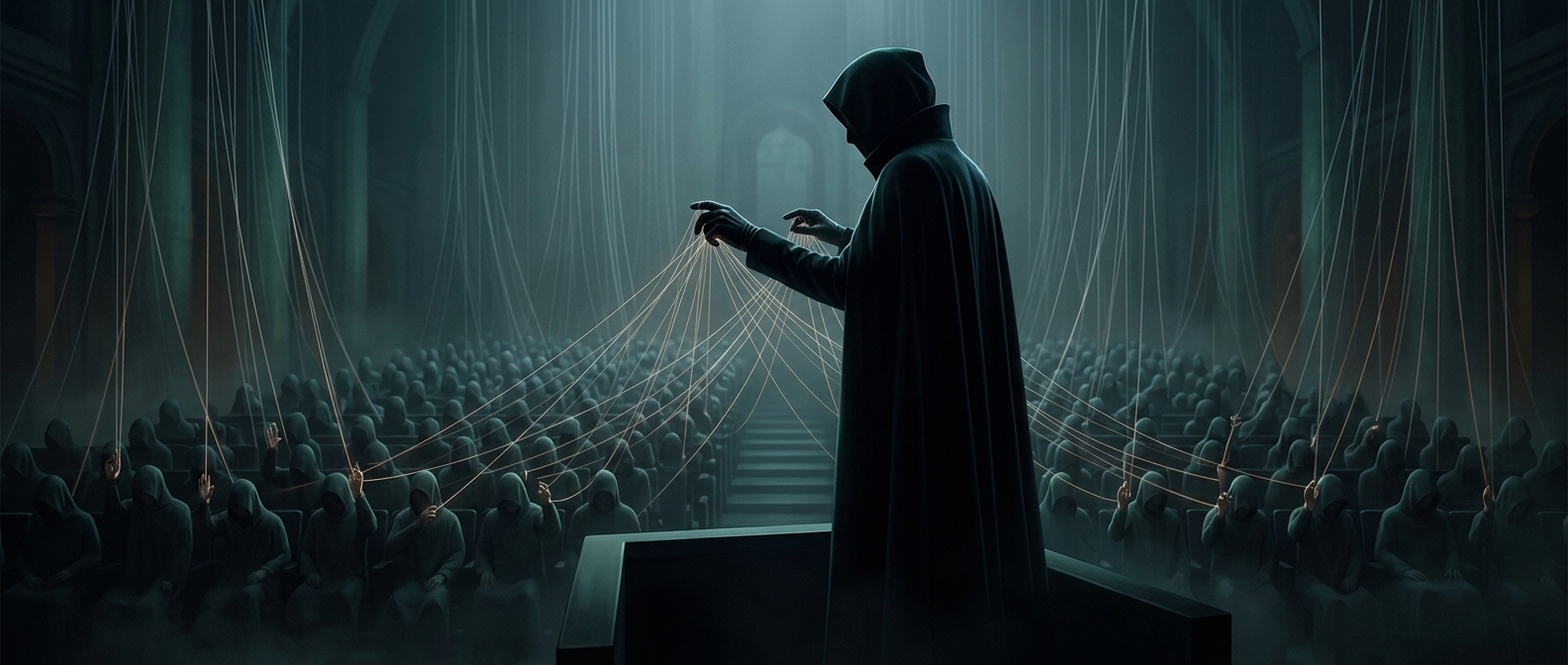
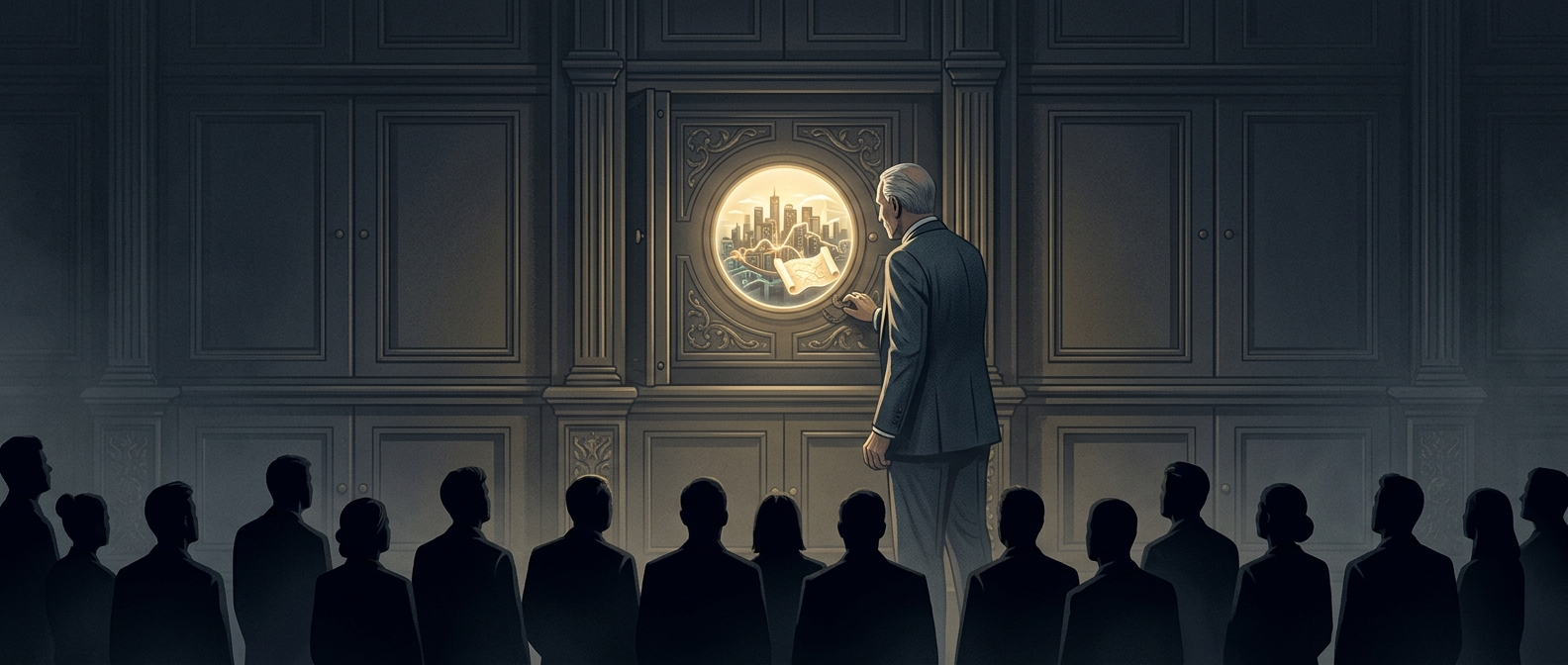
When a government decision depends on classified intelligence, the public may be unable to inspect the evidence behind it. Officials can describe a threat or justify an operation, but the documents that would let reporters, voters, or local communities test that explanation may remain secret. That creates an information gap: the people making the claim can know more than the people judging it.
The gap does not prove that an official account is false. It does make independent checking harder. A politician who faces no public evidence to answer may have less immediate reason to explain a decision in detail or acknowledge its costs.
Oversight can narrow the gap, but not erase it
Governments rely on secrecy to protect intelligence sources, military plans, and other sensitive information. The tradeoff is that oversight shifts toward people allowed to see the material: designated lawmakers, inspectors, or other authorized reviewers. They can question officials privately, but voters generally cannot see the underlying evidence or judge whether those reviewers were persuasive.
That arrangement depends on oversight being active and credible. Reviewers need access, time, and the ability to press for answers; otherwise, secrecy can shield weak reasoning along with legitimate secrets. Even robust private scrutiny cannot fully substitute for open debate, because the public must often evaluate the reviewers’ conclusions without seeing what they saw.
The political cost is harder to assign
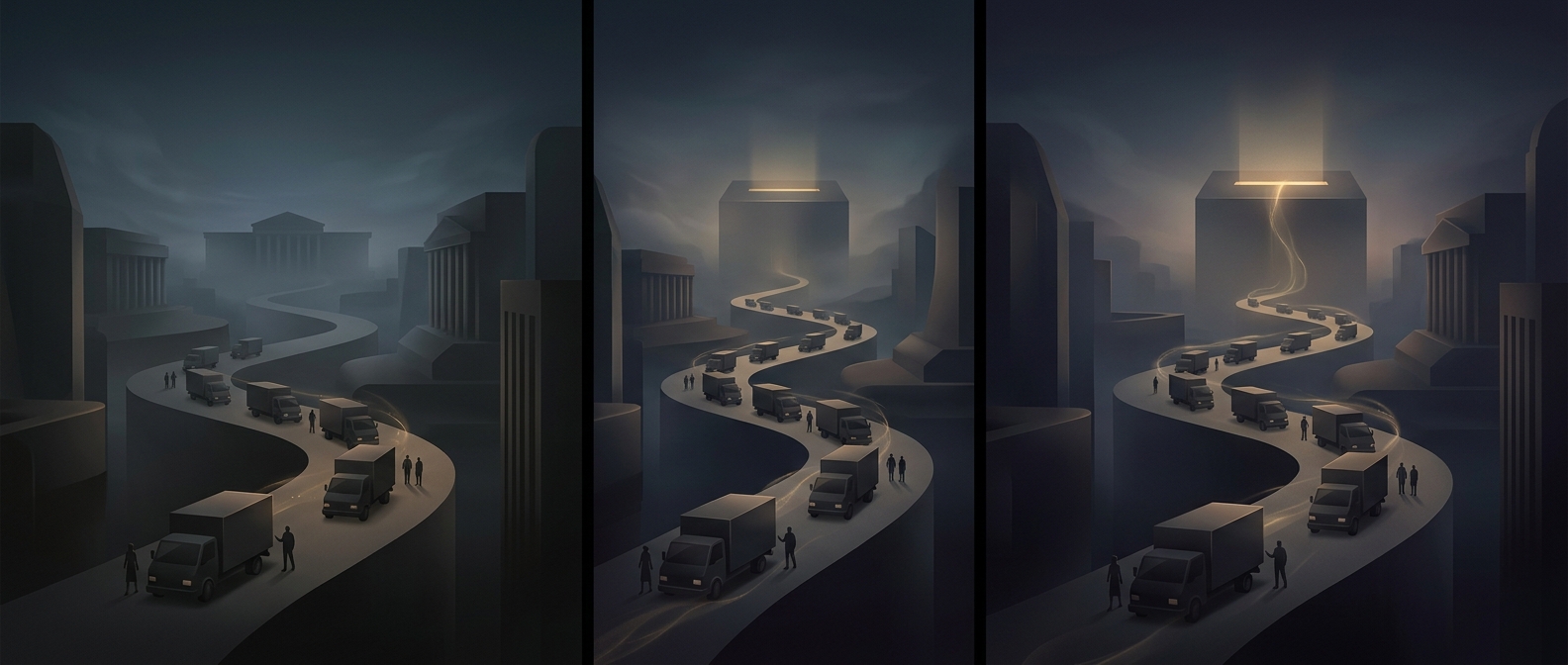
When evidence is unavailable, responsibility can become blurry. A local official may point to national security constraints; national officials may cite intelligence that cannot be disclosed. Residents affected by a decision can see its consequences without being able to assess the stated justification.
The practical result is not that voters are powerless, but that some judgments must be made with incomplete information. In those cases, accountability rests heavily on whether trusted oversight bodies can challenge the official story—and explain enough of their findings for the public to judge the decision.