A Backpack Turns a Bird Into a Two-Part Character
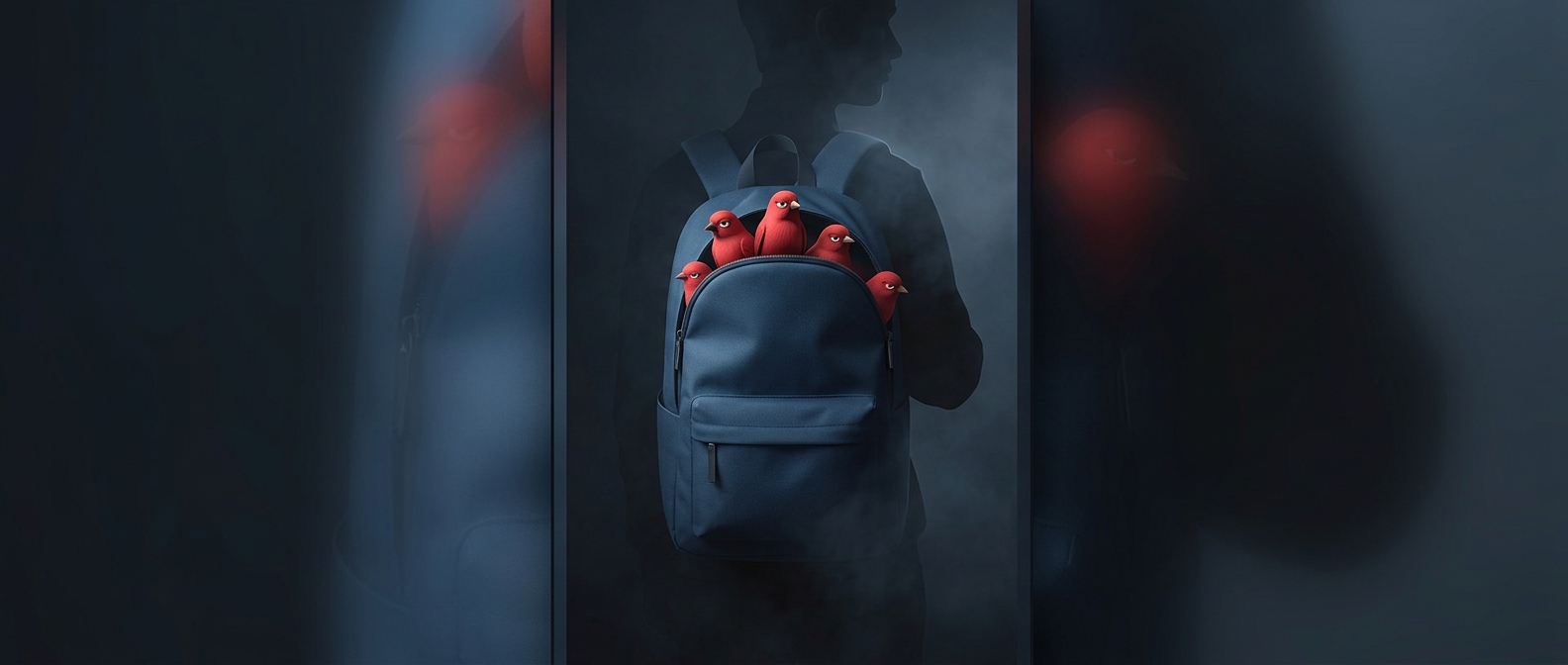
The joke works because the backpack is more than something the bird wears: it gives the scene a second character-sized presence. The bird can pop out to attack while the bear remains tucked inside, so one compact silhouette can suggest both an active fighter and a surprisingly bulky passenger.
That setup plays with a familiar game-design trick: visuals can signal a character’s abilities before the player needs an explanation. A peck or an egg shot reads as the bird’s action; the bear’s position in the bag makes the odd carrying arrangement part of the same readable image. The contrast between the bear’s apparent weight and the bird’s effortlessness supplies the gag.
The Logic Is Cartoon Logic
In a realistic scene, carrying a heavier animal in a canvas bag would raise questions about balance, strength, and whether either creature could move freely. Here, those questions are beside the point. The game’s world treats the backpack as a simple container, not a piece of equipment with carefully simulated weight. The bear can stay inside while the bird acts, because the animation prioritizes a clear, funny premise over physical mechanics.
That mismatch is what makes the image memorable: the bag looks ordinary, but it behaves like a portable hiding place for a passenger who should be impossible to carry. The bird’s attacks keep the action legible, while the bear’s improbable ride gives the character a visual punchline.