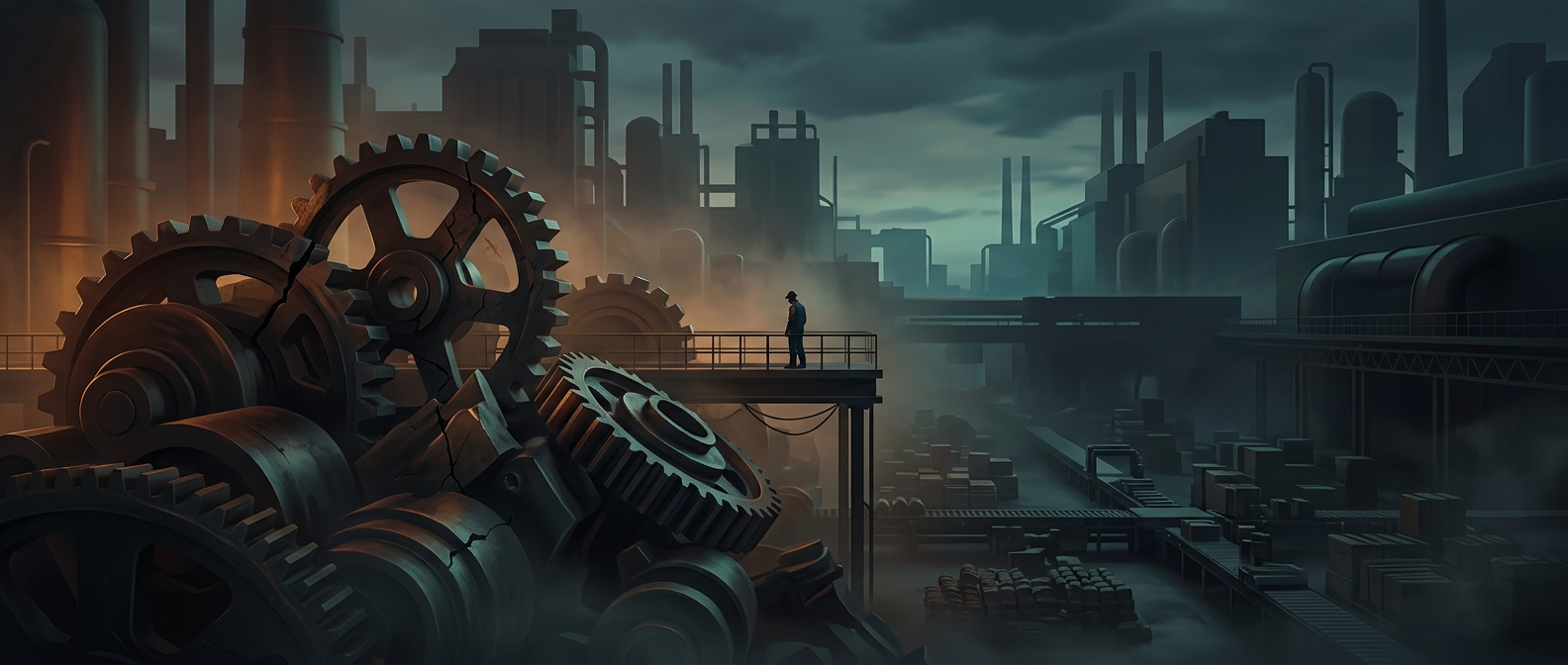
The hidden cost of a bigger stock of machines
A factory, delivery truck, or power plant can help produce goods for years, but none lasts forever. Parts wear out, equipment becomes obsolete, and buildings need repairs. The more machinery an economy has, the more of its current output it may need to devote simply to keeping that productive capacity working.
Economists call this wear and obsolescence depreciation. Investment that replaces worn-out assets maintains the economy’s productive base; investment beyond that adds new capacity. The distinction matters because a large amount of spending on equipment does not necessarily mean the economy is gaining much new productive power.
Why more investment can mean less to use now
Resources used to build or repair machinery cannot also be used to make consumer goods and services today. If an unusually large share of production goes toward capital goods and upkeep, households may have less available to consume in the present. That is the tradeoff behind the idea that saving and investment can be excessive: the future capacity they support has to be weighed against the current goods given up to create it.
This does not mean maintenance is wasteful or that investment should stop. Neglecting equipment can reduce future output, while well-chosen investment can make production more efficient. The key is whether additional resources are creating enough new capacity or future benefit to justify what people forgo now. A country can look busy building and repairing its productive assets while seeing only a modest increase in what those assets will produce.