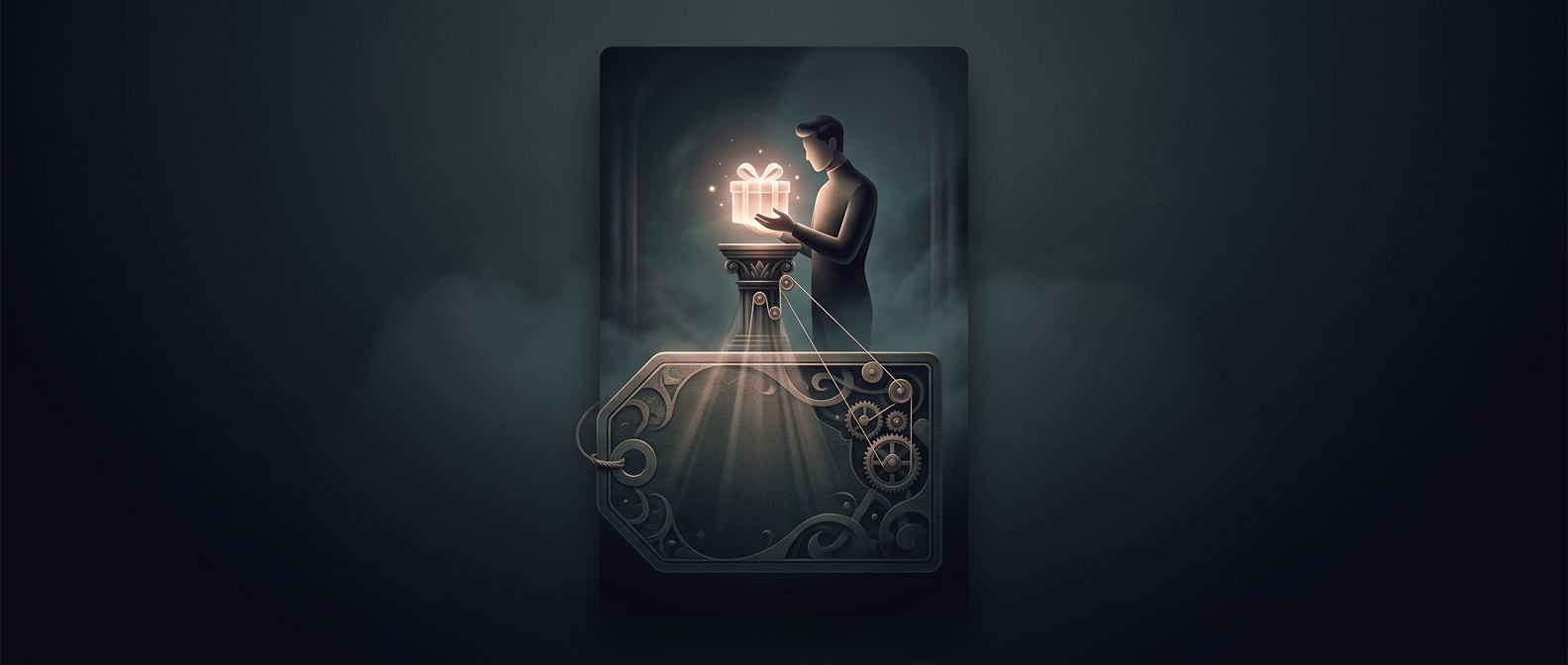
How artificial scarcity turns hesitation into a purchase
A retailer does not have to change a product to make it feel urgent. It can change the shopper’s sense of how long the opportunity will last. Messages such as “only a few left” or “limited time” frame waiting as a risk: the item may disappear before the customer decides.
That pressure works through anticipated loss. A shopper who is unsure about buying may start focusing less on whether the item is worth its price and more on the possibility of missing out. The decision shifts from “Do I want this?” to “Will I regret not buying it now?”
Why the tactic can be effective
Online stores can place urgency cues right beside the price or purchase button, where they meet a shopper at the moment of hesitation. A countdown timer, a low-stock notice, or a short-lived offer gives the decision a deadline. Limited-edition product releases use a related strategy: the product itself is presented as a temporary opportunity, not an endlessly available option.
These cues can speed up purchases, but they work best when shoppers believe them. If a supposed countdown resets or an item repeatedly returns after being described as nearly gone, customers may learn to distrust the message—and the retailer behind it.
The difference between a real constraint and a sales cue
Some scarcity is genuine: a seller may have a fixed amount of stock, or a promotion may actually end at a set time. In other cases, the wording creates urgency without giving shoppers enough information to judge what is scarce or why. The economic tradeoff is clear: urgency may help a retailer close a sale now, while credibility matters for future sales.
For shoppers, the useful pause is to separate the deadline from the product’s value. If the item would not seem worth buying without the warning, the warning may be doing more work than the item.