How the Sahara’s bare ground is made
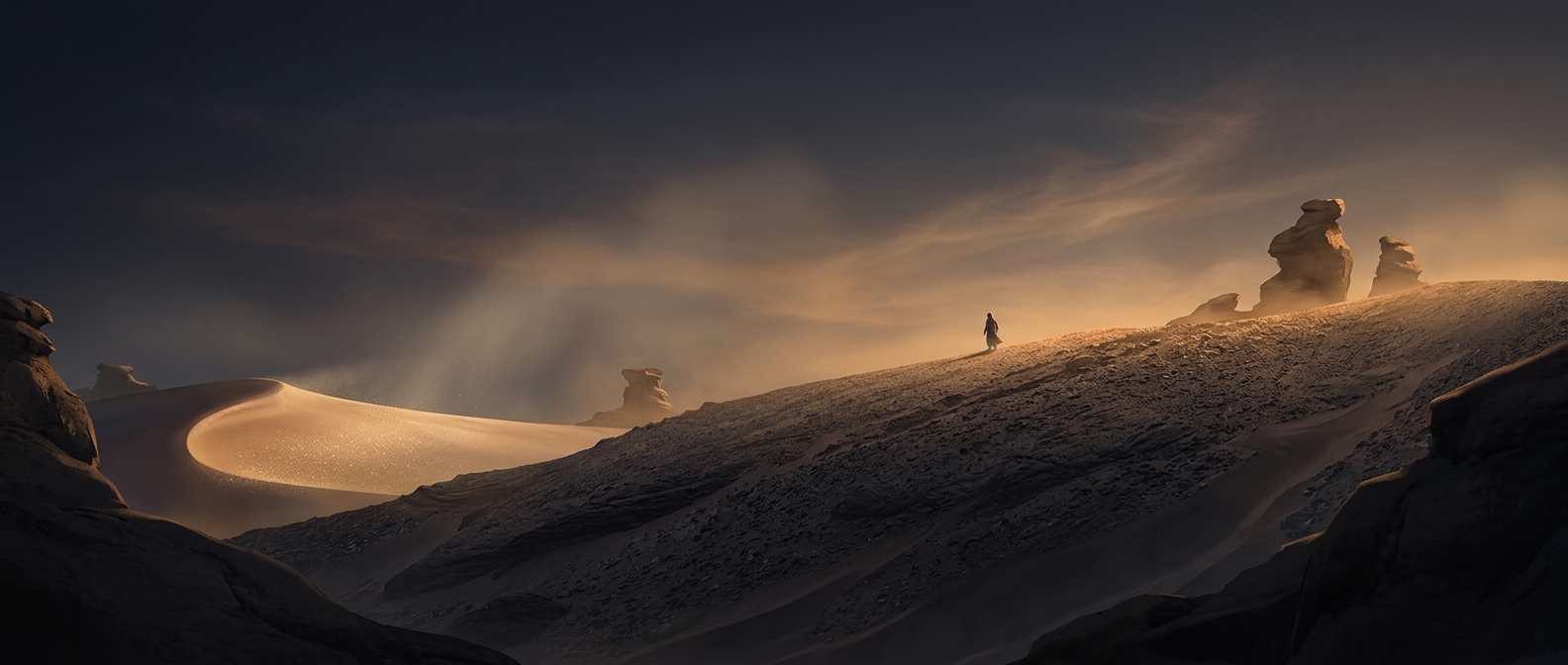
Across much of the Sahara, wind has acted less like a sandblaster piling up dunes and more like a sorting machine. It can lift and carry away fine dust and sand, while heavier pebbles stay put. Over time, those stones form a gravel surface called a desert pavement. In other places, erosion exposes broad stretches of solid rock, creating stark, open plateaus.
The process does not mean sand is absent. It means loose sand does not settle evenly across the landscape. It gathers where conditions let it collect: in hollows, behind ridges, or around obstacles that slow the wind. There, grains can build into dunes; elsewhere, the ground remains stony or bare.
Why the scenery changes from one place to another
A dune field is only one kind of desert terrain. Gravel plains can look like a vast, pebbled floor, while rocky plateaus rise as hard, exposed expanses. The balance depends on the local supply of loose sediment, the shape of the land, and the winds that move material through it.
That variety matters on the ground. A route across a dune field means crossing shifting slopes and soft sand; a route over a gravel plain or plateau encounters firmer, rougher terrain. The Sahara’s familiar dunes are dramatic precisely because they are concentrated features—not the landscape’s default surface.