The Drop Becomes a Sales Moment
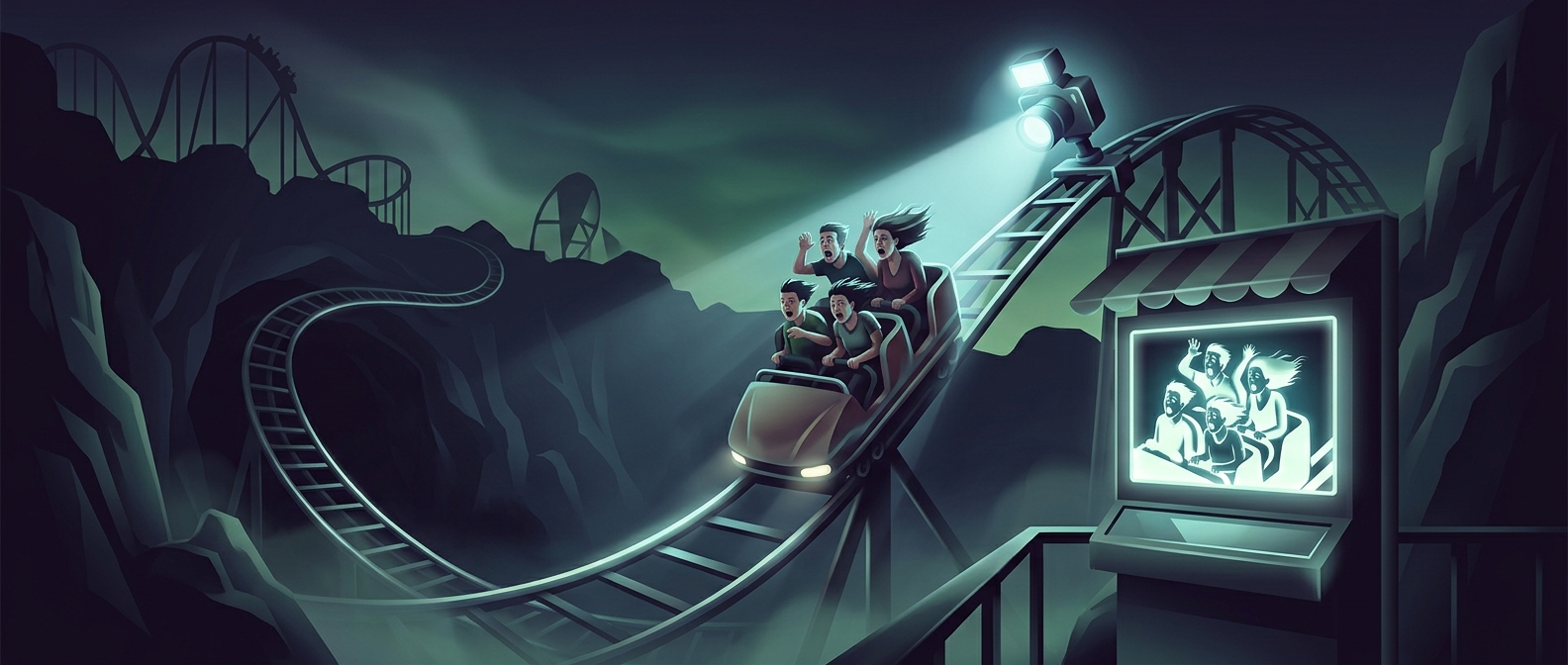
A ride photo works because the camera catches riders at a moment they cannot easily pose for: a sudden drop, when surprise and fear show on their faces. The park places a camera along the track and synchronizes it with the ride’s passage. A flash or other cue may help riders notice the camera, but the picture is taken too quickly for anyone to arrange an expression.
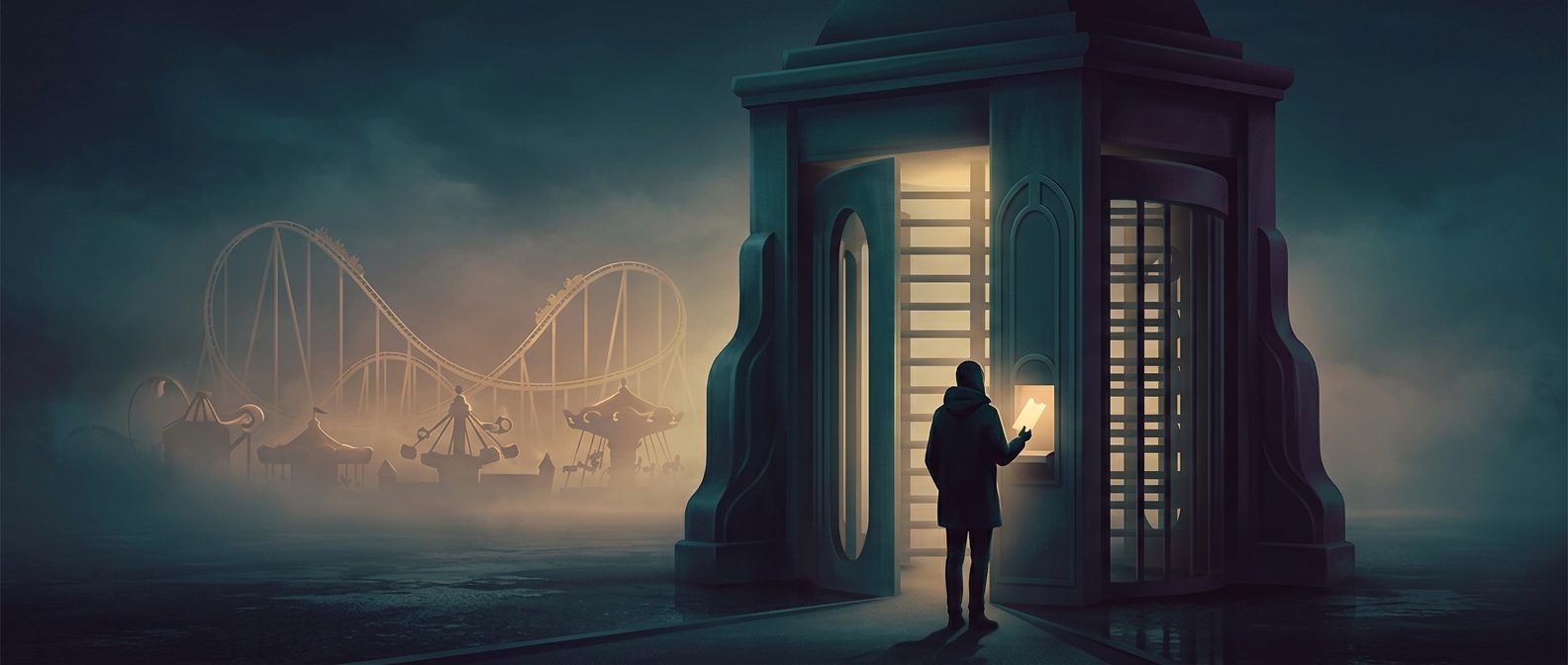
That timing turns an ordinary exit into a small reveal. Riders can see the image soon after the ride, often displayed where they naturally pass on their way out. The photo is not just a souvenir of the attraction; it is evidence of a shared, fleeting experience—especially funny when friends’ reactions appear side by side.
Why the Photo Can Sell Itself
The park has already provided the ride, camera, and display, so offering a digital image or print can add revenue without requiring another attraction. The setup also creates a natural choice: pay to keep the moment, or leave it behind. Seeing the picture before deciding matters. A rider who did not plan to buy a souvenir may change their mind when they recognize their own expression—or spot a friend’s.
The appeal depends on the same thing that makes the image hard to manufacture: it is unplanned. A posed portrait records how riders wanted to look; a drop photo records how they looked when the ride took over. That is why the most marketable souvenir may be the face someone made before they knew they were making it.