A baseball team became a bridge to Seattle
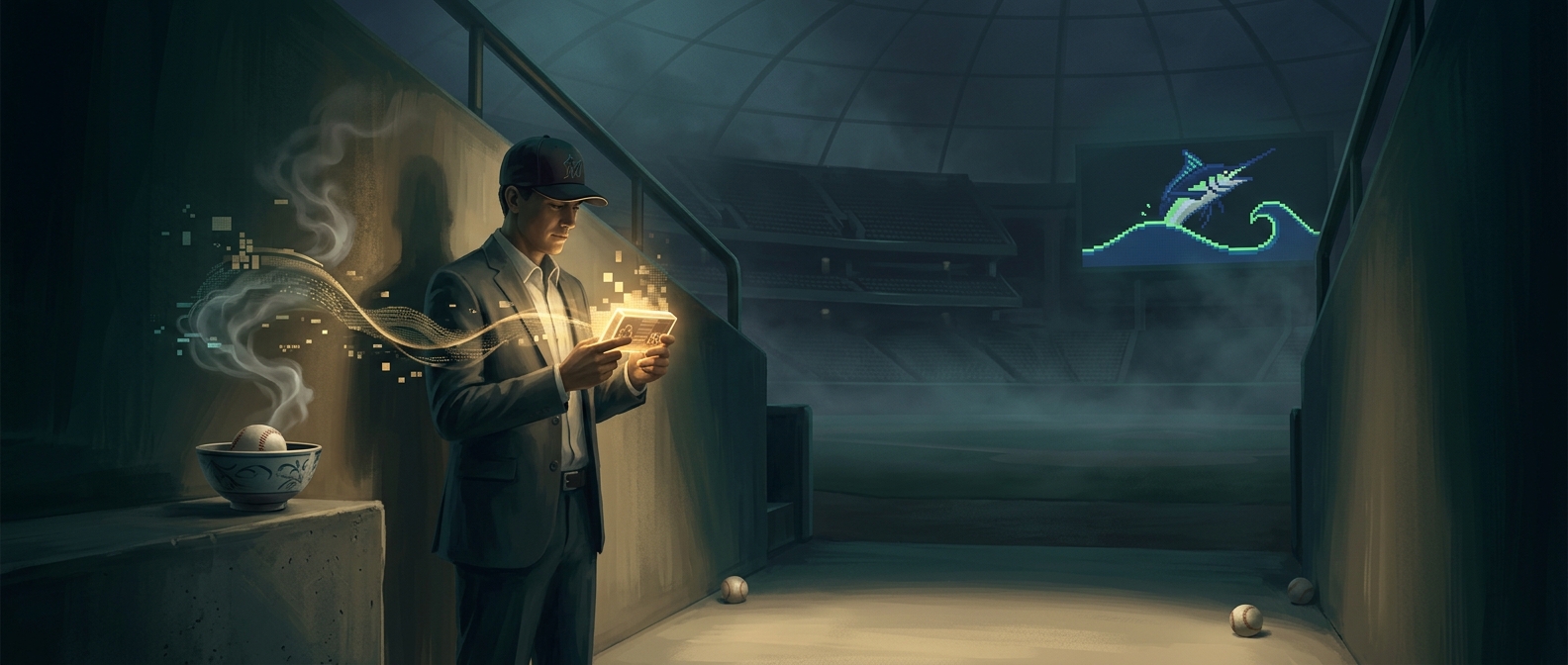
When the Seattle Mariners needed a stable owner, Nintendo president Hiroshi Yamauchi made an unusual commitment: he invested in the club even though he was not a baseball fan. The choice was tied to Seattle’s importance to Nintendo. Nintendo of America was based in the area, and Yamauchi wanted to support the city that hosted the company’s U.S. operations.
The deal mattered beyond the team’s finances. The Mariners were struggling, and Seattle worried the franchise might leave. A majority owner willing to keep the club in the city helped give it a more secure footing. Nintendo’s investment thus linked the fate of a major-league team to the interests of a company better known for video games.
What Nintendo’s ownership meant
Nintendo did not turn the Mariners into a company-branded attraction or run the team as an extension of its game business. It was an ownership investment: the company held a stake in the club, while baseball operations remained the work of the team’s leadership. That distinction made the move notable—the connection was civic and financial, not a crossover product.
Nintendo maintained its involvement for decades, then reduced its ownership in 2016. The episode is a reminder that a company’s local presence can shape decisions far outside its core industry. For Seattle, the investment was not just an unlikely footnote in Nintendo’s history; it was part of the story of keeping the Mariners rooted in the city.