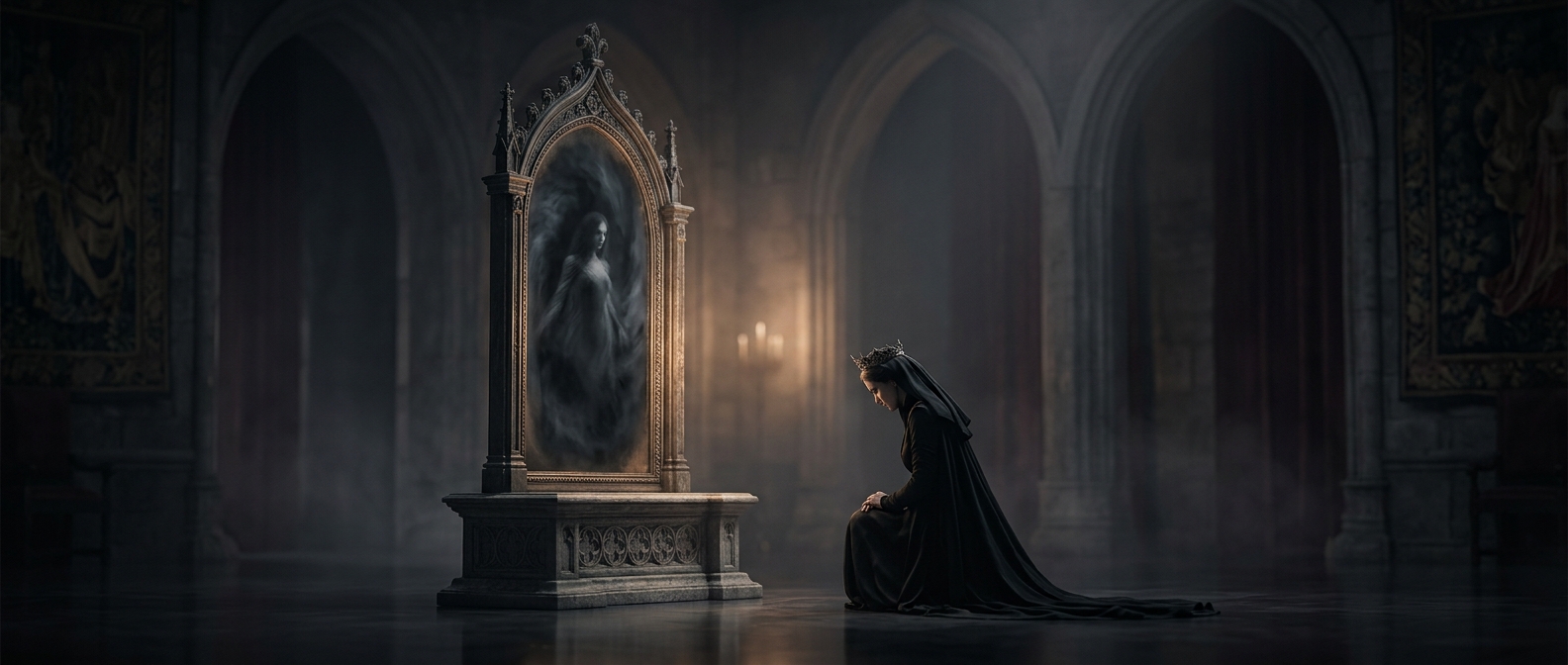
How a queen’s grief became a mirror legend
The name Bloody Mary carries more than one story. It is popularly associated with Mary I of England, whose reign became notorious for the execution of Protestant opponents. Mary also endured pregnancies that did not result in a surviving child. Those losses gave later storytellers a tragic personal history to attach to the ominous name—but they do not establish that she inspired every detail of the mirror ritual.
Rumor supplied the horror
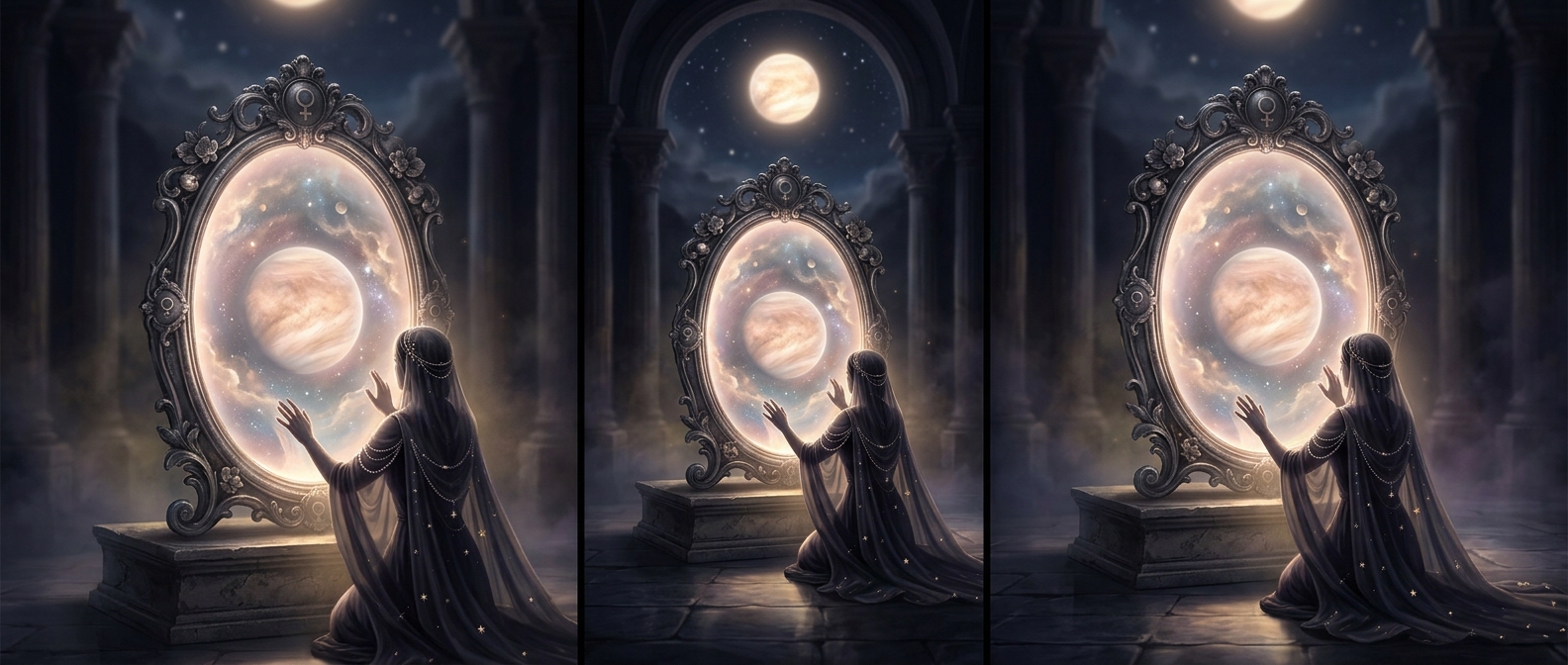
Stories about women preserving their youth by killing others are a separate strand of lurid legend, often attached to powerful female figures. In the Bloody Mary tradition, that rumor helps turn a historical queen into a supernatural threat: a figure supposedly summoned by repeating her name before a mirror. The mirror makes the story feel immediate, as if a private room could become the place where history answers back.
Folklore joins what history leaves apart
The ritual’s exact origins are difficult to pin down, and the links among Mary I, the youth-preserving rumor, and the mirror game should not be treated as a single verified biography. Folklore often works by layering: a notorious name, a painful life story, and a frightening rumor become one memorable character. The legend’s power comes from that fusion—not from evidence that the queen appeared in mirrors.