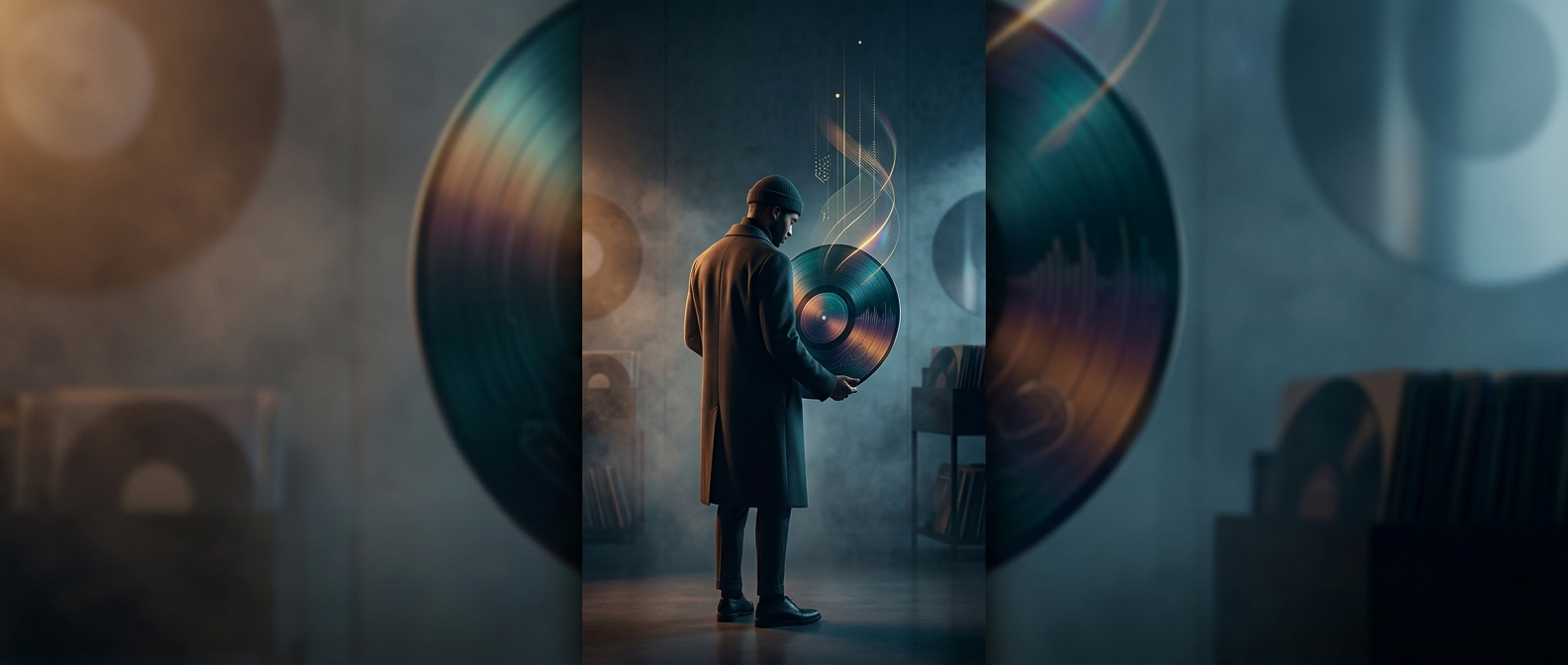
When a Record Becomes Wall Art
A vinyl release can serve two purposes at once: it carries music, and it is a physical object fans can display. The large sleeve gives cover art room to read as an image rather than a tiny thumbnail. Put on a shelf or hung on a wall, it makes musical taste visible in a way a playlist usually does not.
That changes what the buyer is paying for. A record may be valuable as a piece of design, a reminder of a favorite artist, or an item that feels connected to a particular album or era—even when playback is not part of the plan. The music still gives the object its meaning, but the sleeve and the act of owning it can be the immediate appeal.
The Tradeoff Behind the Purchase
Buying a record without playback equipment means giving up one of its central functions. The buyer may instead treat it like other artist merchandise: something tangible to collect and keep in view. That can make a costly physical format worthwhile for someone who cares more about the artwork and attachment than convenience.
It also reveals why physical music can retain appeal alongside digital listening. A stream delivers sound; a sleeve occupies space and can become part of a room. For these fans, the record is less a way to access the album than a way to make their relationship with it visible.