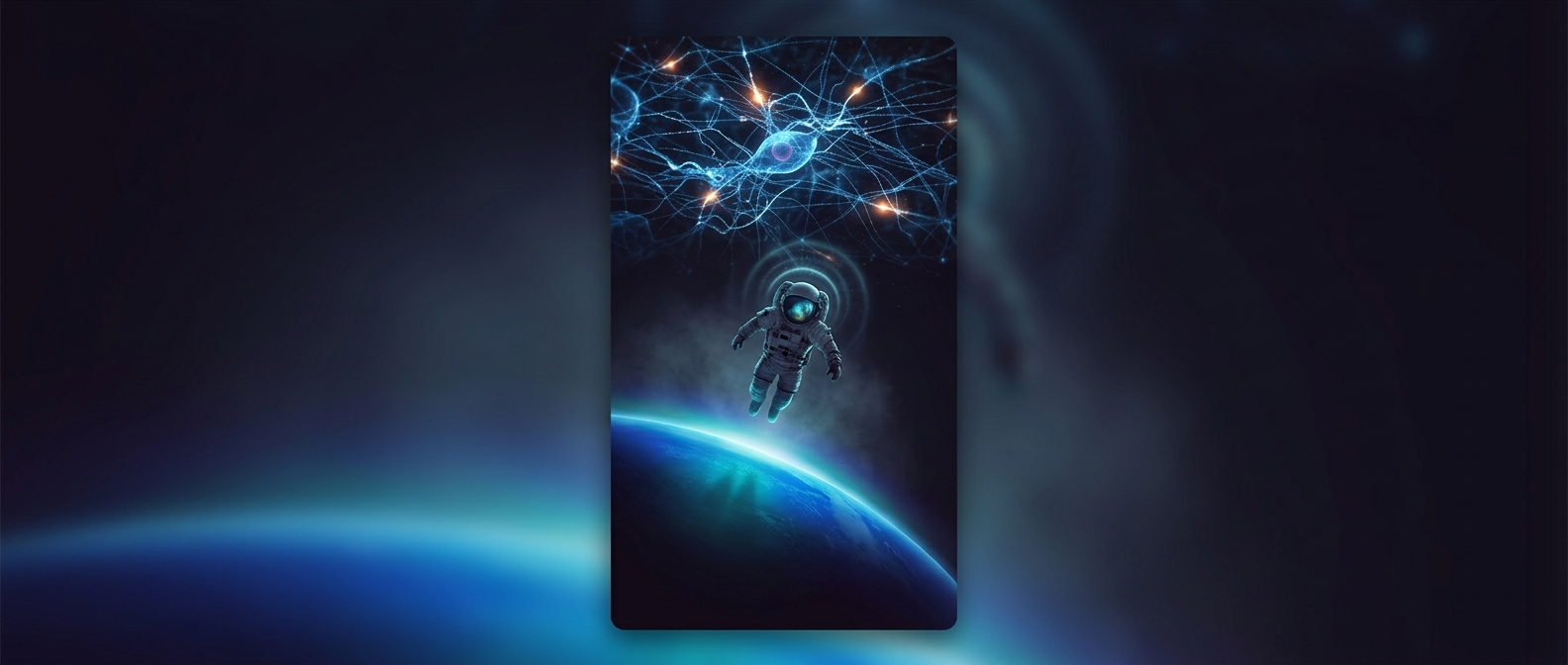
Why Earth looks different from orbit
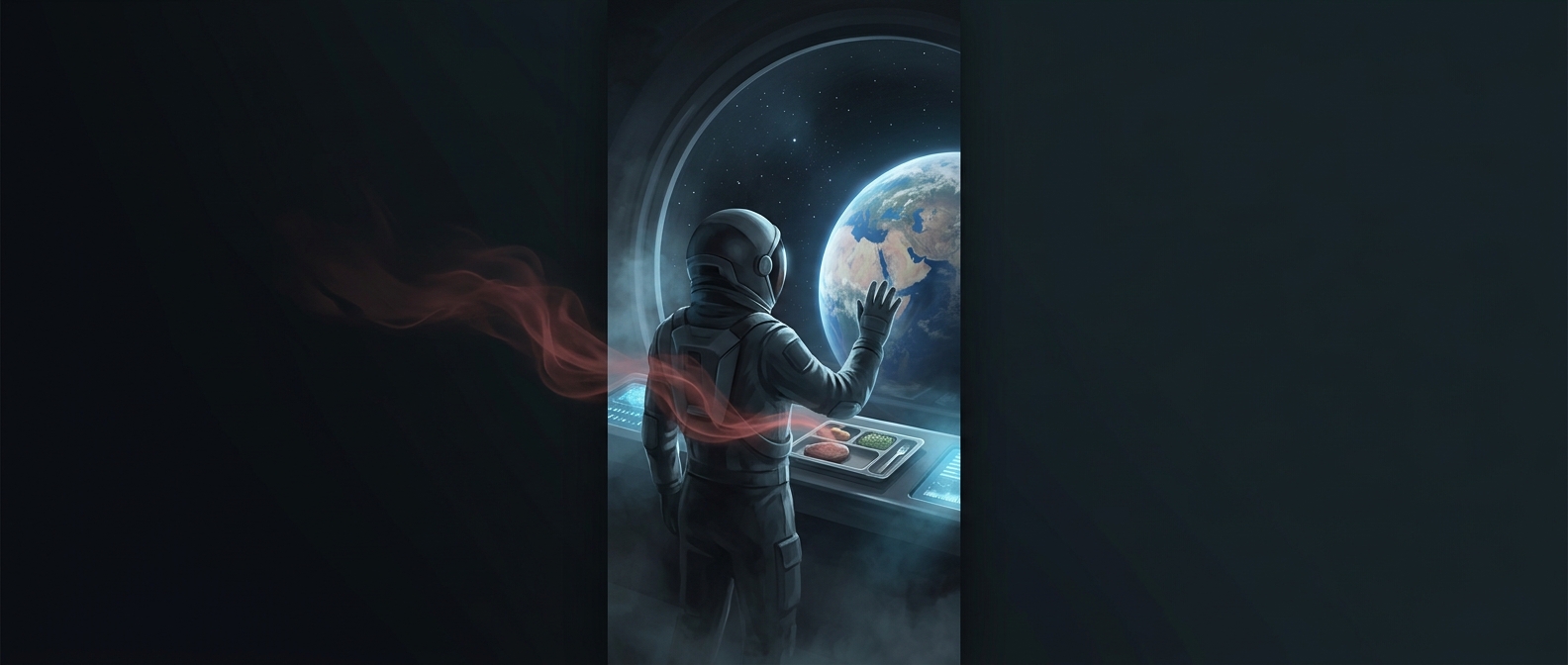
From the ground, Earth is usually a setting: a horizon, a landscape, a stretch of sky. In orbit, the planet becomes an object you can take in at once—a bright, curved world set against darkness. That change in viewpoint can make familiar divisions feel less prominent. National borders are not visible from space, while oceans, clouds, and landforms appear connected across a single globe.
A whole planet, with a very thin edge
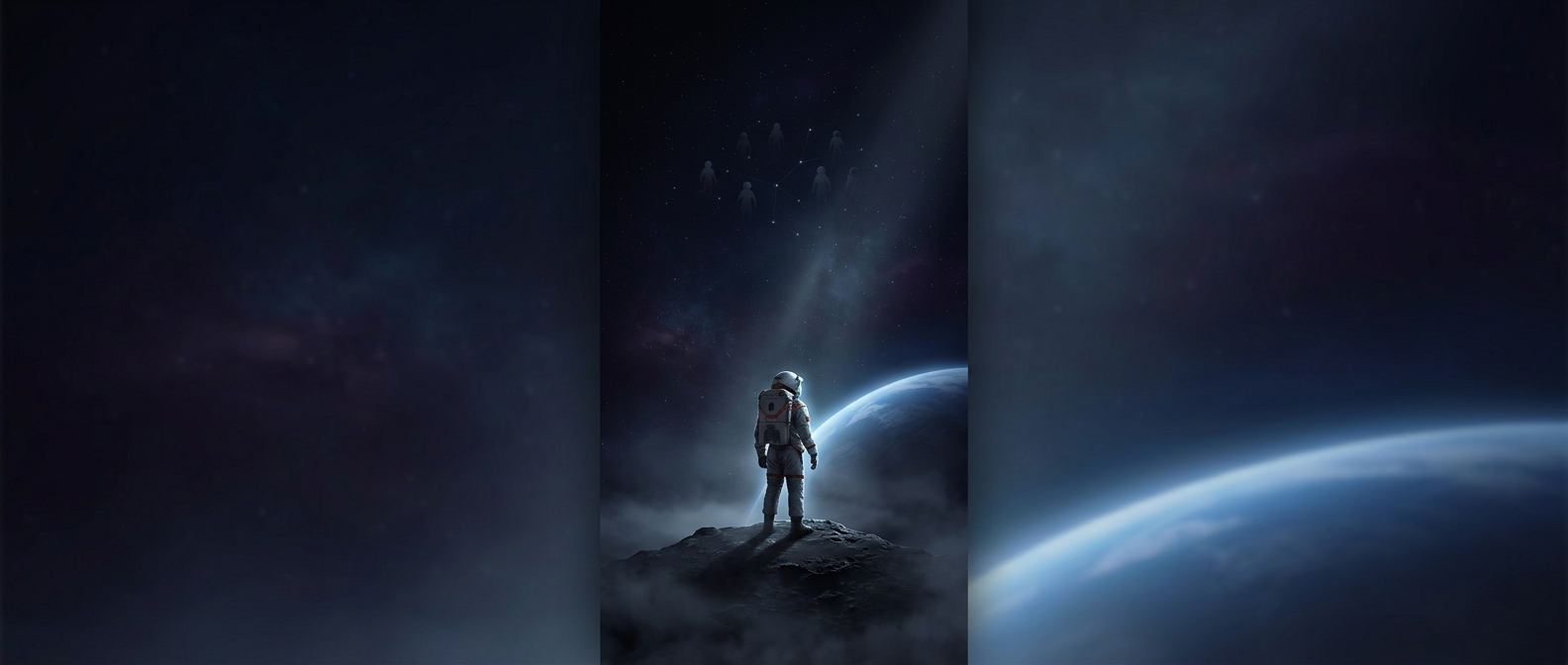
The view also makes Earth’s atmosphere appear as a narrow layer around the planet. Down below, air is simply what surrounds us; from orbit, its apparent thinness can make the conditions that sustain life seem more delicate and shared. The contrast between the vivid planet and the dark space around it gives that observation unusual force.
Astronauts have described this response as a sense of planetary unity. It is not just a new landscape to look at: the observer is seeing the place where everyone lives from outside its usual frame. The shift in scale can make humanity’s common home feel more immediate than the boundaries drawn across it.