How album sales turned into a dormant Bitcoin balance
When a seller accepts Bitcoin, the payment arrives as digital currency rather than being converted automatically into dollars. The seller can hold those coins in a digital wallet, spend them, or exchange them for conventional money. In 2014, allowing fans to pay for Animal Ambition in Bitcoin meant that some album purchases left 50 Cent with coins instead of cash.
That choice linked the album’s sales to a market whose prices can swing sharply. A Bitcoin balance does not grow just because its dollar value rises: the owner still has the same number of coins, but each coin may later buy more or less.
Why a forgotten payment could become valuable
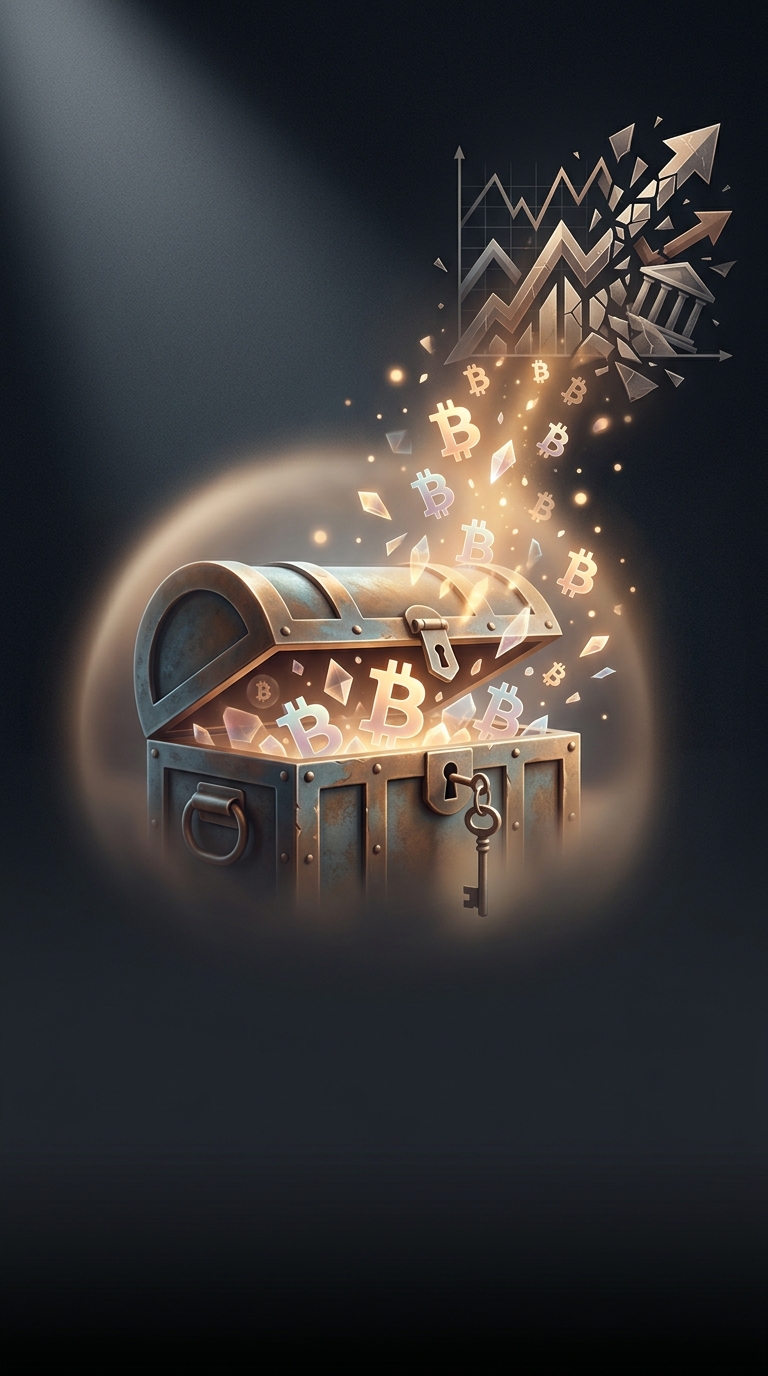
The reported twist was not an investment strategy so much as an overlooked asset. If the coins remained accessible in a wallet and were not sold, their market value could increase while they sat unused. By 2018, the roughly 700-coin balance was being valued at about $8 million—a valuation based on Bitcoin’s price at the time, not a guaranteed amount of cash in hand.
That distinction matters with cryptocurrency. A quoted value is only what the balance might be worth at a given market price; turning it into dollars requires selling the coins, and the price can change before or during that process. In this case, forgetting the balance meant missing the chance to spend or sell it earlier—but also leaving it exposed to Bitcoin’s later rise. A forgotten payment had become a reminder that digital money can appreciate without its owner doing anything at all.