Why Cash Makes Spending Feel More Real
A banknote leaves your hand in a way a card payment does not. With cash, you see the amount, count it, and physically give it up. A card compresses those steps into a tap, so the payment can feel like a small gesture rather than a loss of money.
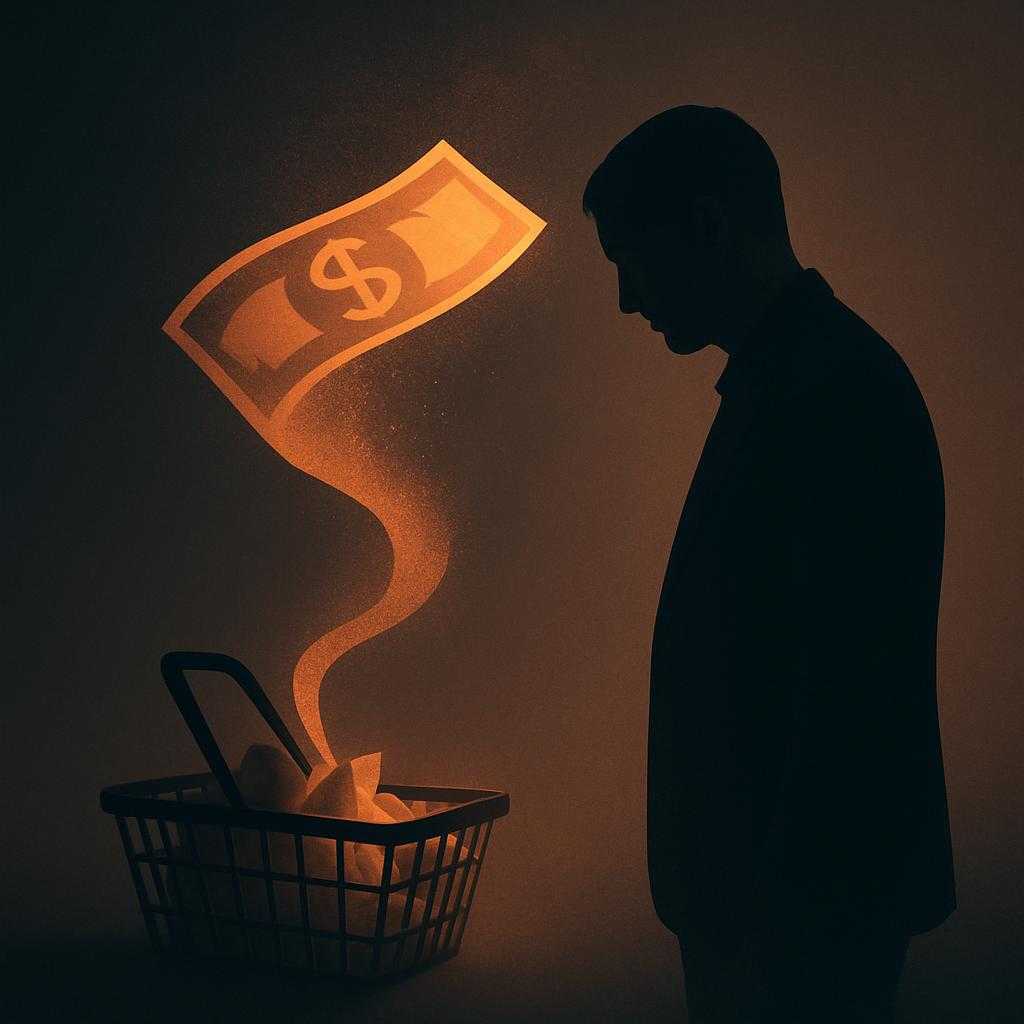
That difference is often called the pain of paying: the discomfort people feel when a purchase makes its cost immediate and noticeable. Cash puts the cost right in front of you. After handing over a bill, you have less cash in your wallet, and you can see the change. With a card, the balance falls somewhere less visible—often later, in an account statement or app.
The Payment Method Changes the Moment
Cash makes the exchange and the sacrifice happen together. A card separates them: the item arrives now, while the payment is recorded electronically and may be reviewed later. That gap can make it easier to focus on what you are getting instead of what you are giving up.
The effect is not simply that people forget prices. It is that payment methods differ in how much attention they demand at the moment of purchase. Counting bills and receiving change provide repeated cues about the cost; tapping a card asks for little more than a quick motion.
Convenience Can Shift Spending
That lower friction is useful—cards are quicker and easier to carry—but it can also make a purchase feel less consequential. When the payment is effortless and the total is easy to overlook, a shopper may be less likely to pause or compare the cost with a budget. Cash can impose that pause naturally, because the remaining bills are visible.
A practical way to restore some of the missing feedback is to check a running total or account balance while shopping. The key difference is not plastic versus paper by itself; it is whether the cost is visible at the moment you decide to buy.