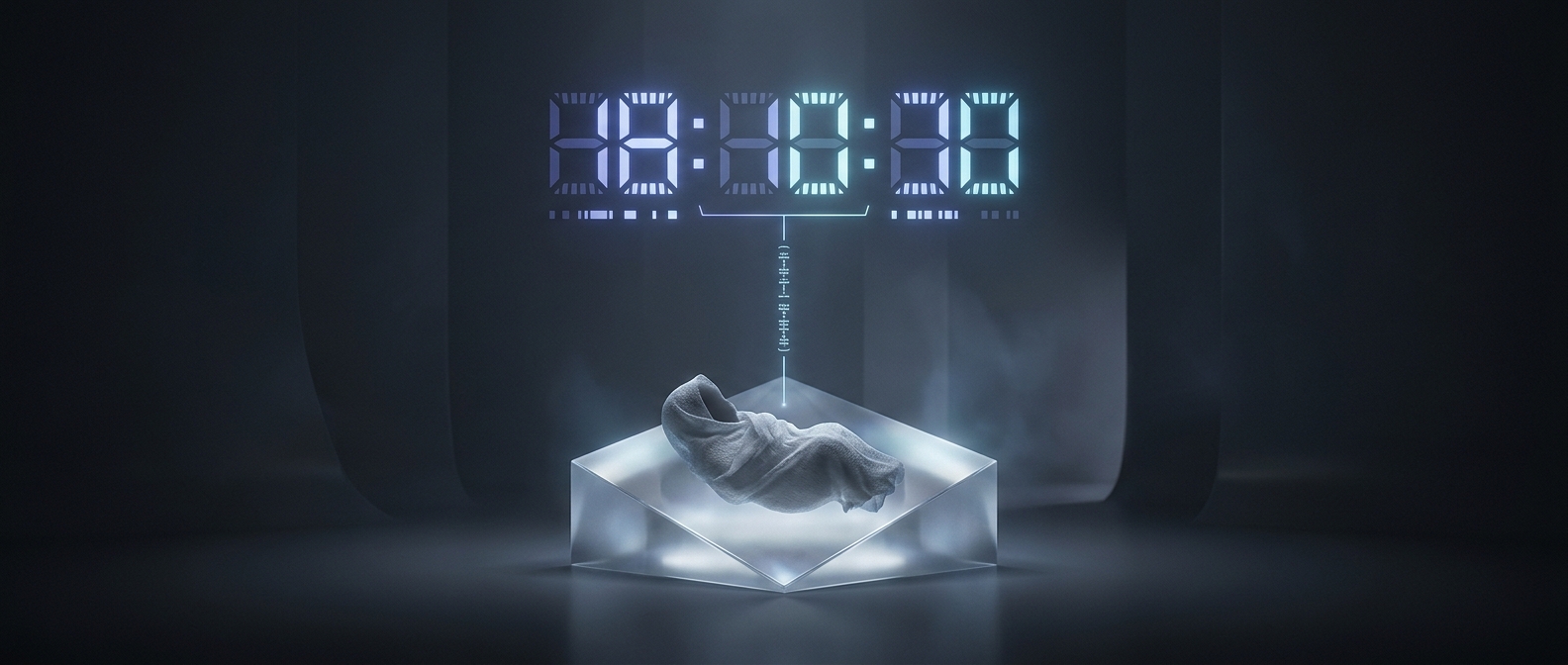
Minute Hands Made Birth Times Less Convenient
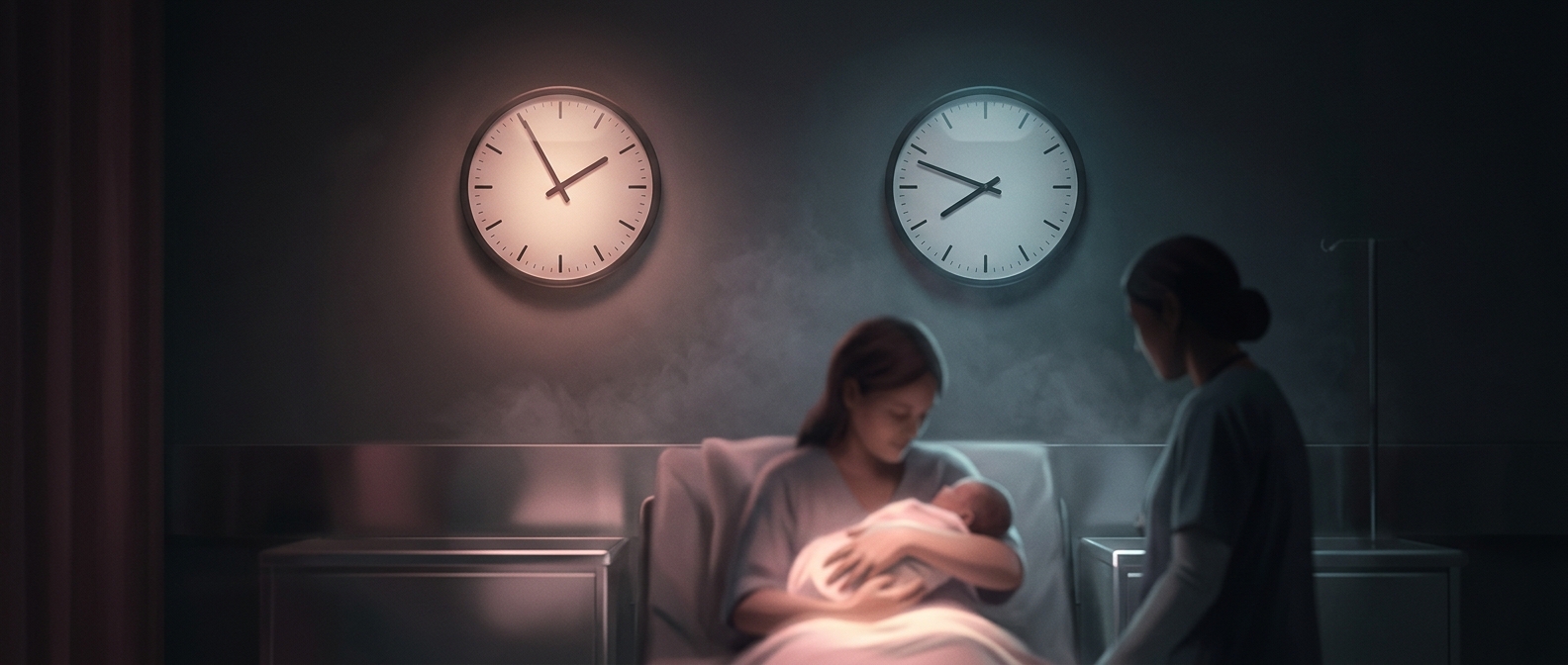
Before clocks displayed minutes at a glance, people often remembered time in broad landmarks: around three, after lunch, near sunset. An analog clock could show that a birth happened close to three without making the exact minute easy to read—or easy to remember. A digital display changed the social feel of the answer. “2:47” looked like a specific fact, while “about three” sounded like an estimate.
That shift matters in astrology, where a birth chart is calculated for a particular moment. The recorded time can affect details such as the rising sign, which is tied to the eastern horizon at birth, and the chart’s house divisions. A tidy hour may therefore seem more useful than an awkward minute, even when the precise-looking number is only a family recollection.
Precision Is Not the Same as Certainty
A digital clock makes a minute visible; it does not guarantee that anyone recorded the time accurately. The display may be a few minutes off, a birth may take time to document, and relatives recalling the event years later may be relying on memory rather than a written record. The number can look exact while its source remains approximate.
That is the quiet consequence of the shift: birth-time stories became harder to round into a neat hour, but not necessarily more reliable. “2:47” may be the honest answer—or simply the old estimate wearing a more precise-looking face.