A film had to travel before it could find an audience
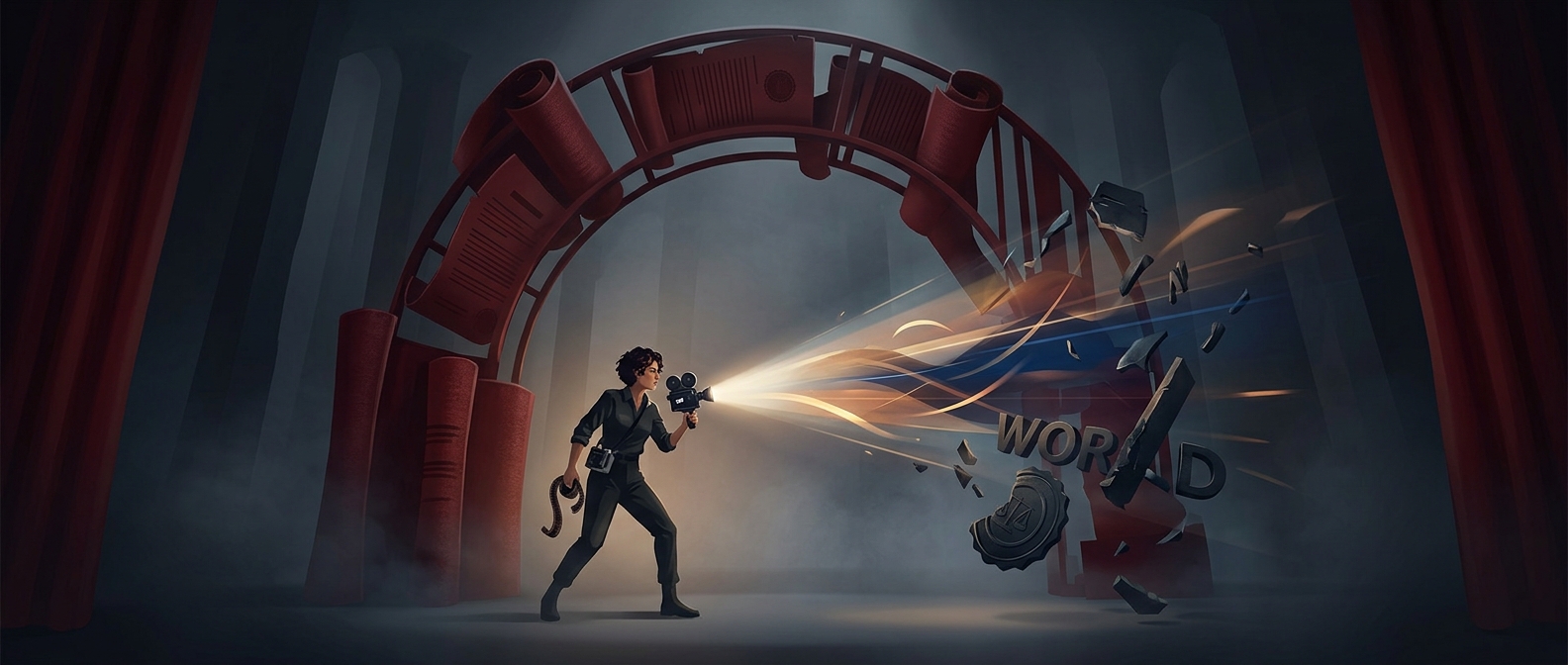
Making a movie was only half the problem for Oscar Micheaux. A finished film still needed a projector, a venue, and enough paying viewers to cover the next production. The dominant theater chains could shut Black independent filmmakers out simply by refusing to book their work. Micheaux’s answer was to treat distribution—the business of getting a film to screens—as part of filmmaking itself.
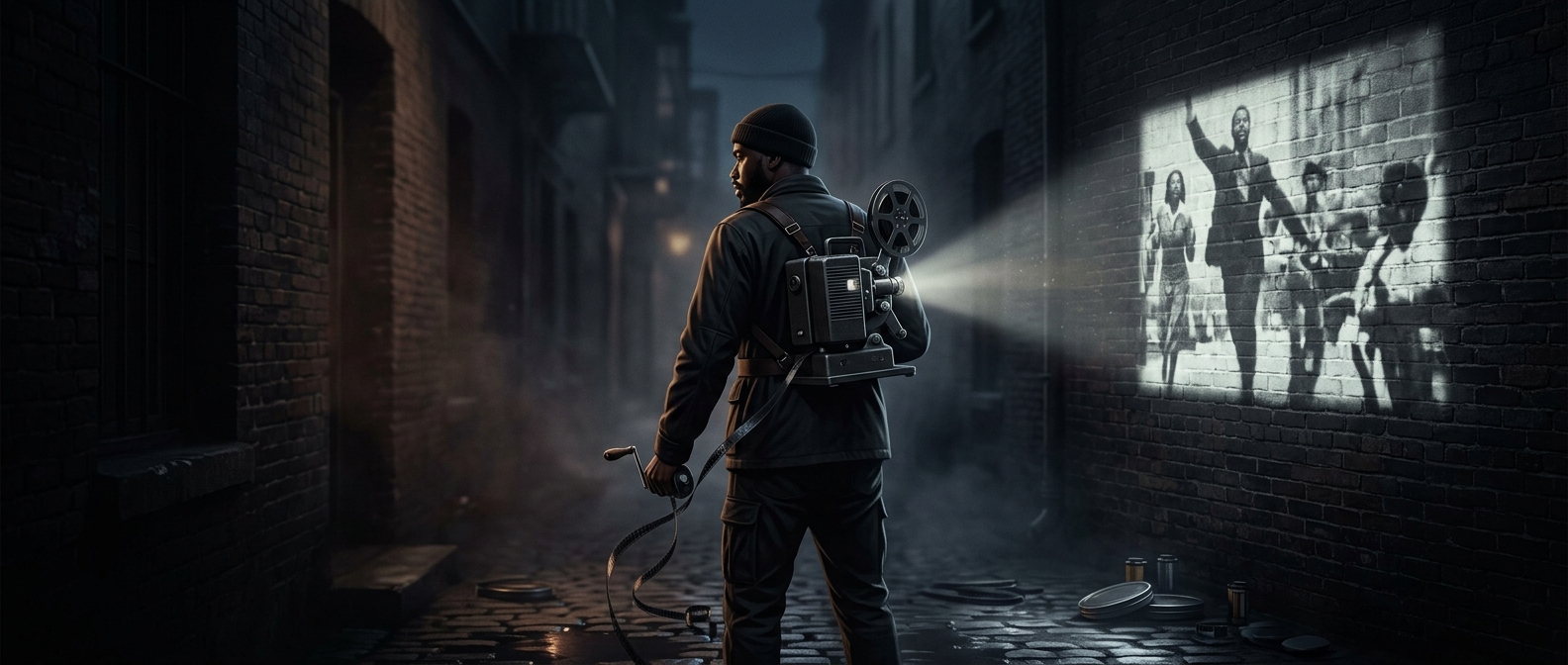
He carried reels from town to town and arranged screenings in places that would take them, including segregated theaters and churches. Each booking turned a film into a traveling event: someone had to secure the room, advertise the showing, and make sure the equipment could run the reels. Instead of waiting for a national chain to grant access, Micheaux assembled an audience stop by stop.
Building a route around the gatekeepers
This approach depended on a network of local venues rather than a single powerful distributor. It was slower and more demanding than placing a film in a large theater circuit, but it gave Micheaux a way to reach Black audiences that mainstream exhibitors often neglected. Churches and other community spaces could serve as exhibition sites when commercial theaters were unavailable or unwilling.
The arrangement also shaped the economics of the work. A filmmaker who controlled access to screenings could keep a film circulating beyond its initial release, but every journey required time, transport, and persuasion. The same person who created the story had to help make its audience possible.
An independent cinema in motion
Micheaux’s system was not simply a workaround for one blocked release. It showed how Black filmmakers could create a parallel route from production to viewers, using local relationships and portable prints where the established industry offered few openings. The reels themselves became the infrastructure: carried across the country, they connected audiences who might otherwise never have seen films centered on Black life.