A Peek Without a Reveal
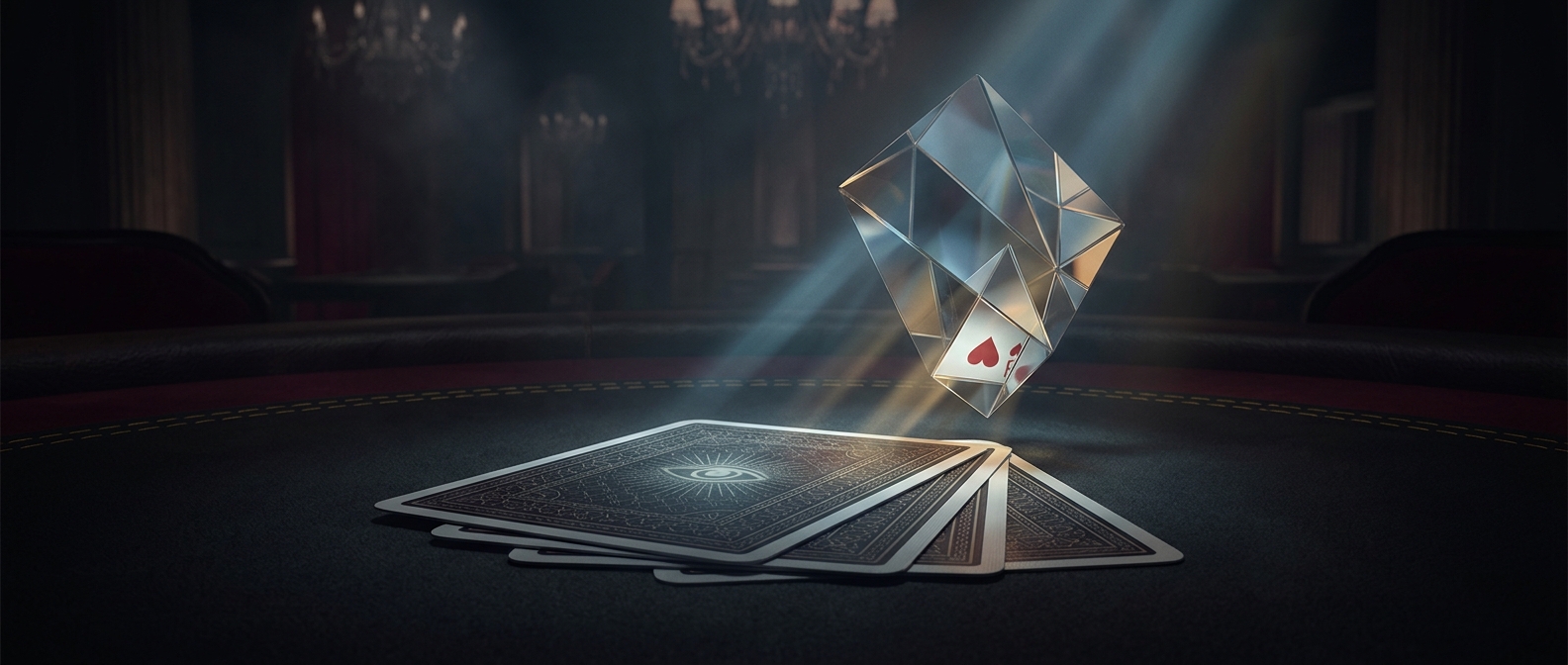
In blackjack, a dealer may need to know whether a face-down card completes a natural 21—an ace paired with a ten-value card—before players decide how to act. The small mirror built into some tables helps with that check: the dealer angles the card so its corner can be seen in the mirror, while the card’s face stays turned away from the players.
Why Check Before the Hand Continues?
A natural blackjack usually ends the hand immediately, unless a player also has one and the game’s rules call for a push. If the dealer has an ace showing, players may be offered insurance, a side bet against the dealer having blackjack. Checking the hidden card first lets the dealer settle that possibility before the round proceeds, rather than turning over the card where everyone can see it.
A Small Security Feature
The mirror makes the check visible to the dealer without making the card itself visible to the table. That distinction matters: exposing the card could reveal information players are not meant to have and change their decisions. The result is a quiet piece of table design that lets the game verify a decisive hand while keeping the hidden card hidden.