A soundtrack choice becomes part of the scene
The baseball sequence works because it turns a family pastime into a display of vampire abilities. The Cullens hit and chase the ball with superhuman force and speed; thunder helps cover the crack of the bat, keeping their game from attracting human attention. The storm is not just dramatic weather—it gives the scene a practical reason to be so loud.
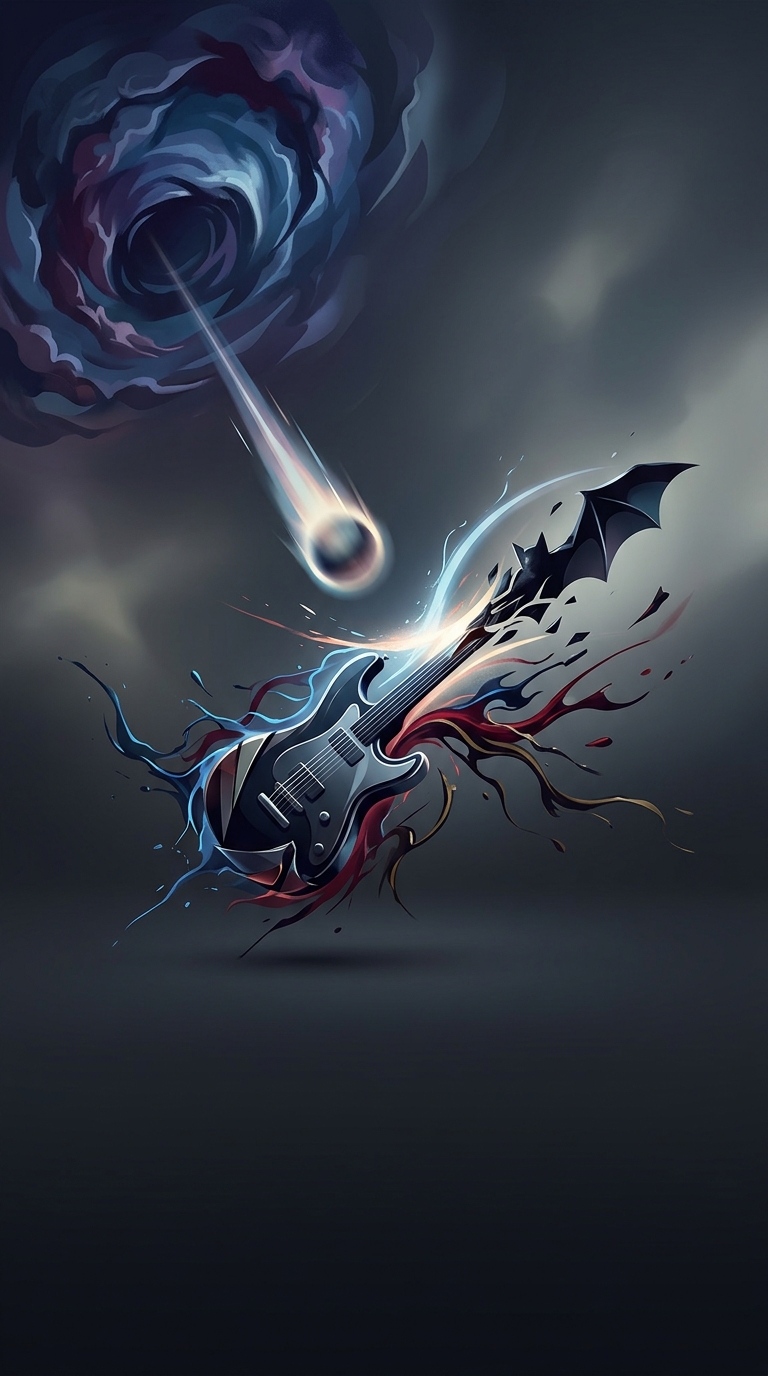
Muse’s “Supermassive Black Hole” supplies a pulsing, escalating beat for that action. Its driving rhythm makes each pitch, sprint, and collision feel like part of a coordinated performance, while the familiar rules of baseball give viewers an easy way to follow what the characters are doing.
From a reader’s favorite to a film signature
Author Stephenie Meyer’s enthusiasm for bands she loved helped bring their music into the franchise. That influence matters because a book can mention songs or establish a character’s taste, but a film has to choose what the audience actually hears. Here, the track does more than decorate the scene: it helps define its tone—playful, athletic, and just a little dangerous.
The combination also solves a tonal challenge. Vampires playing baseball could look quaint or absurd if treated like an ordinary game. The song’s intensity, the storm, and the characters’ impossible athleticism make it feel instead like a spectacle built around the Cullens’ secret nature. That is why the scene and the track are so difficult to separate in memory.