Why a suitcase can hold more when it is packed in blocks
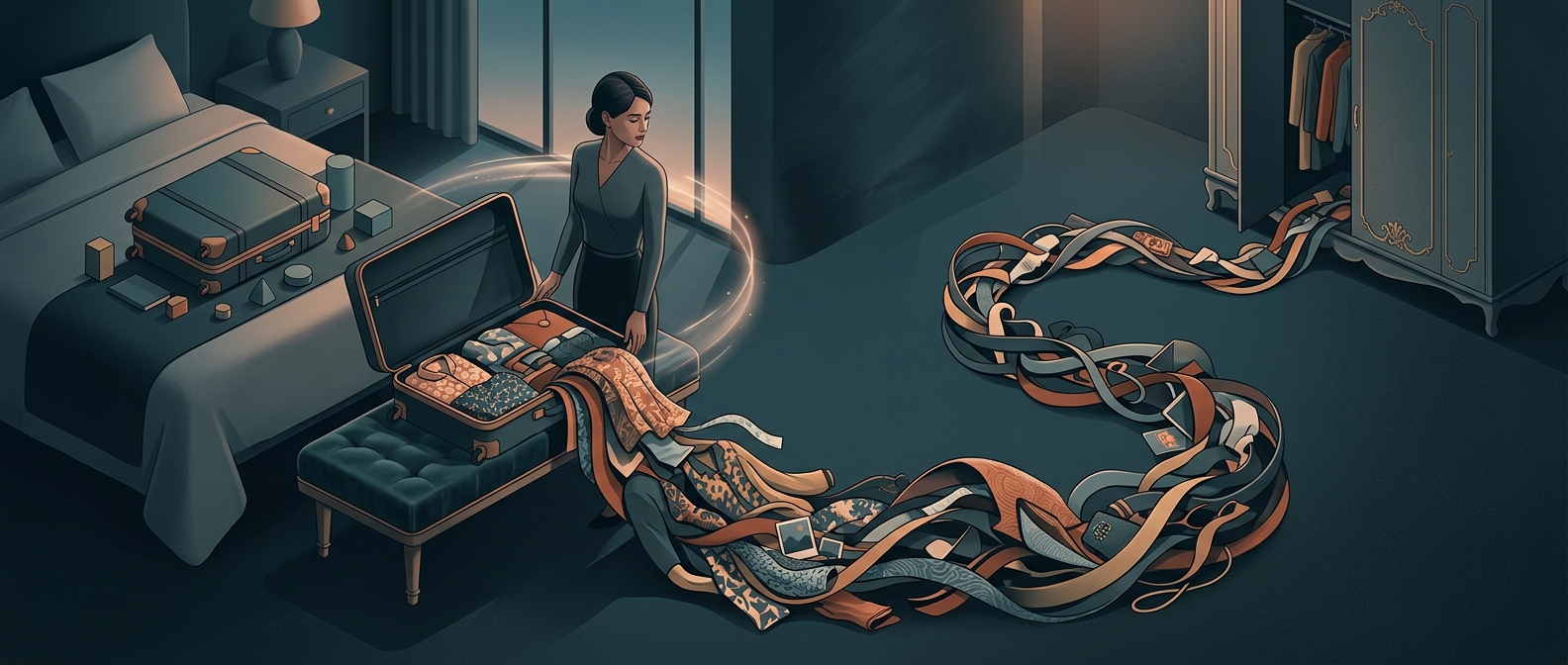
A suitcase’s interior is an awkward shape to fill: loose shirts slump, socks scatter, and gaps appear around folded clothes. Packing cubes turn those soft, shifting piles into smaller bundles with more regular edges. The cubes do not create extra capacity; they make it easier to use the space that is already there.
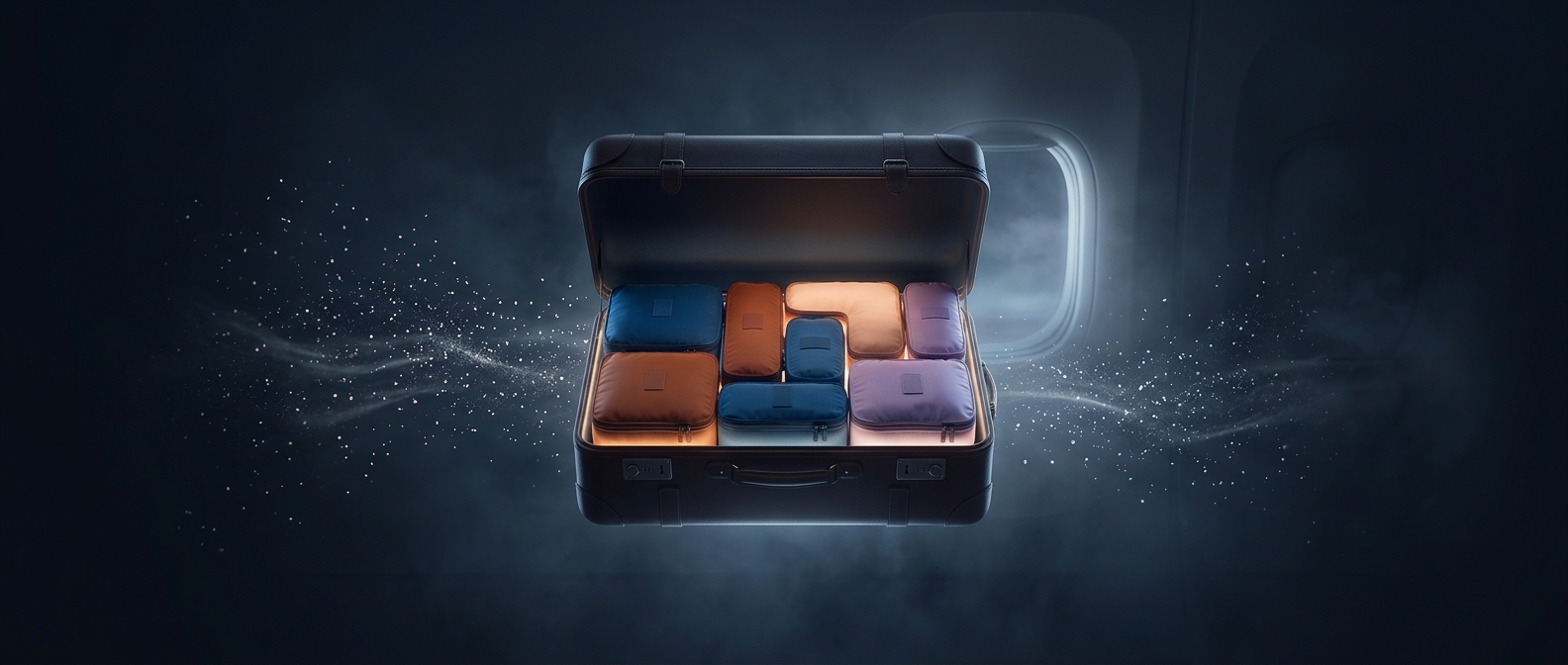
That matters most in a case with curved corners or a narrow lid. A traveler can place flatter cubes against the suitcase walls, then fit smaller or softer items into the remaining gaps. Grouping clothes by outfit or purpose also makes it less likely that unpacking one item will disturb the rest.
Organization is not the same as compression
Most ordinary packing cubes mainly contain and separate clothing. A compression cube has an additional zipper that squeezes the bundle flatter by pushing out some trapped air and tightening the fabric around it. That can reduce the bundle’s thickness, but it does not make the clothing weigh less—and dense, tightly packed clothes can still fill the case quickly.
There is a tradeoff: each cube has fabric and seams, which take up a little room. Oversized cubes can also leave unusable gaps if they do not match the suitcase’s shape. The practical advantage comes from choosing sizes that fit the case and packing soft items into the spaces around them, rather than expecting a cube to shrink everything dramatically.
The limit is still the bag
For travelers trying to stay within a carry-on allowance, cubes make the contents easier to arrange and keep contained when the bag is opened. They cannot change the airline’s size or weight limits, and a suitcase that closes only under strain may still be overpacked. The useful trick is to treat the cubes as movable blocks: arrange them to use the case’s corners and edges, while leaving enough room for the bag to close normally.