Why a Mineral Chunk Can Dent a Wood Floor
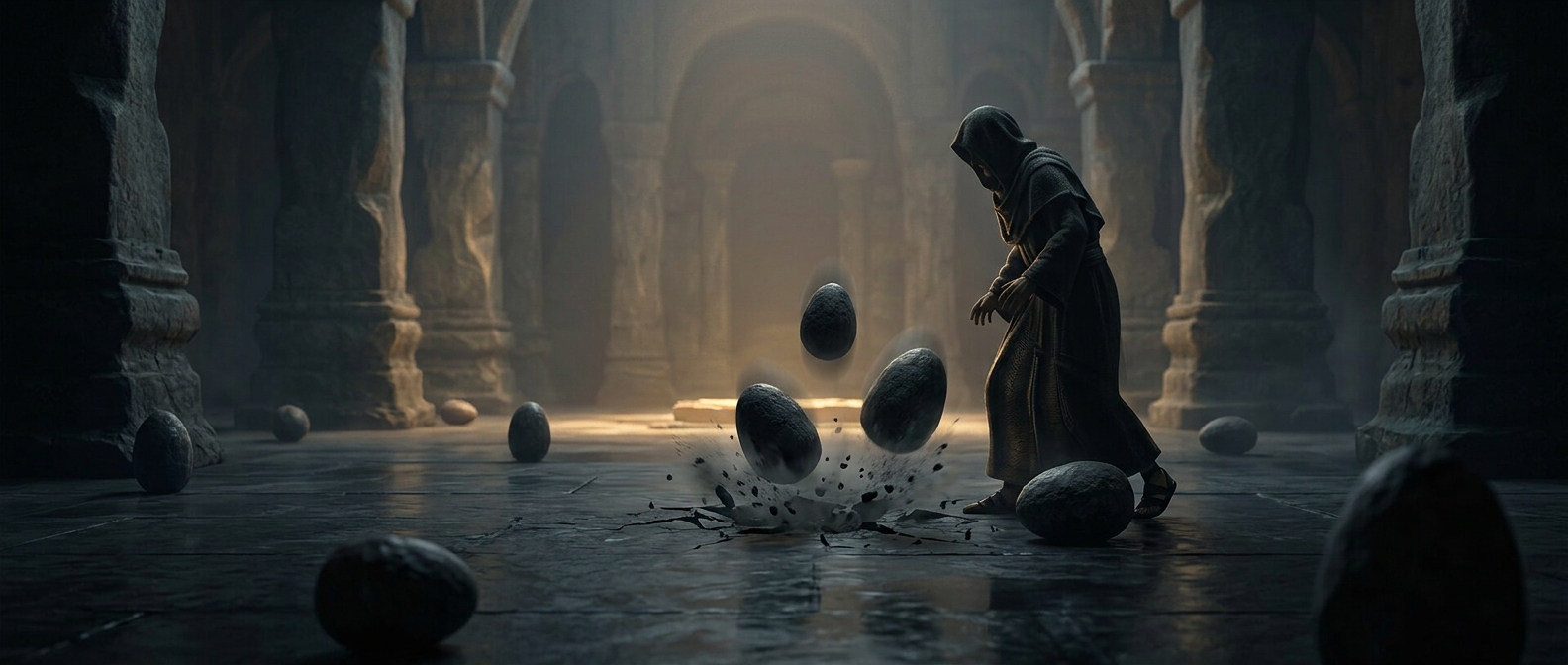
A raw mineral specimen can be much denser than its size suggests. Minerals such as quartz, iron-rich ores, and many metallic minerals pack substantial mass into a compact chunk, so a stone that looks manageable may hit with considerable momentum if it slips from someone’s hands.
The damage depends on more than weight. A falling stone gains speed, and its impact is concentrated where it first touches the floor. An uneven corner or sharp projection presses that force into a small patch of wood, crushing or splitting the wood fibers before the stone can settle. A broad, flat surface spreads the same impact over more area and is less likely to leave a deep mark.
The Shape Makes Handling Tricky
Raw specimens have not been cut into smooth, balanced shapes. Their jagged edges and irregular centers of mass can make them awkward to grip; a stone may shift unexpectedly as someone turns it to inspect a surface or show a feature. That is why a specimen that feels secure while held still can become difficult to control during handling.
Collectors often value rough pieces for the formations and textures that polishing would remove. But those same natural contours make a padded surface more than a precaution: it gives a dropped specimen a softer landing and keeps its sharp points from concentrating the blow on the floor.