A sentence that makes the reader linger
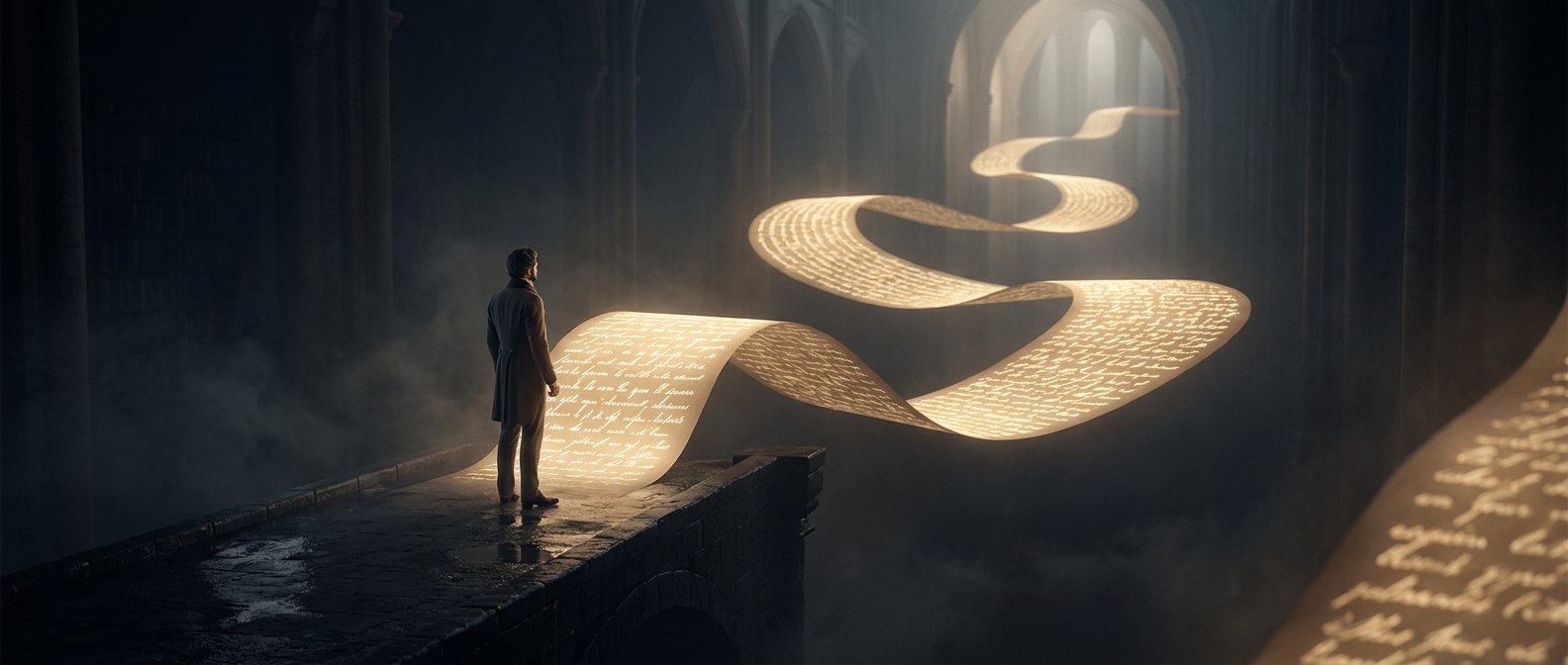
The 823-word sentence in Les Misérables turns description into an extended journey. Instead of pausing at a series of full stops, the prose keeps adding detail, so the reader must hold earlier parts of the sentence in mind while moving through later ones. Its length makes the description feel less like a quick visual note and more like a scene the reader has to travel through.
How the structure changes the experience
A short sentence delivers its point, then lets the reader reset. A sentence that runs on for hundreds of words does the opposite: clauses and phrases accumulate before the grammatical thought finally closes. That creates momentum, but also demands attention. The reader may need to slow down, track how each detail connects, and wait for the sentence’s final shape to become clear.
The form also gives the description room to feel expansive. Rather than selecting one detail and moving on, Hugo can keep widening the view. The unusual length is part of the reading experience: the sentence makes its subject take up time on the page.
A word count with an edition-sized caveat
Les Misérables was written in French, so an English version’s exact word count depends on its translation and editorial punctuation. The 823-word figure describes a particular rendering, not a count that will necessarily appear in every edition. But the underlying effect survives: one unusually long sentence asks the reader to stay inside a description until its final full stop.