Air changes what a tub contains
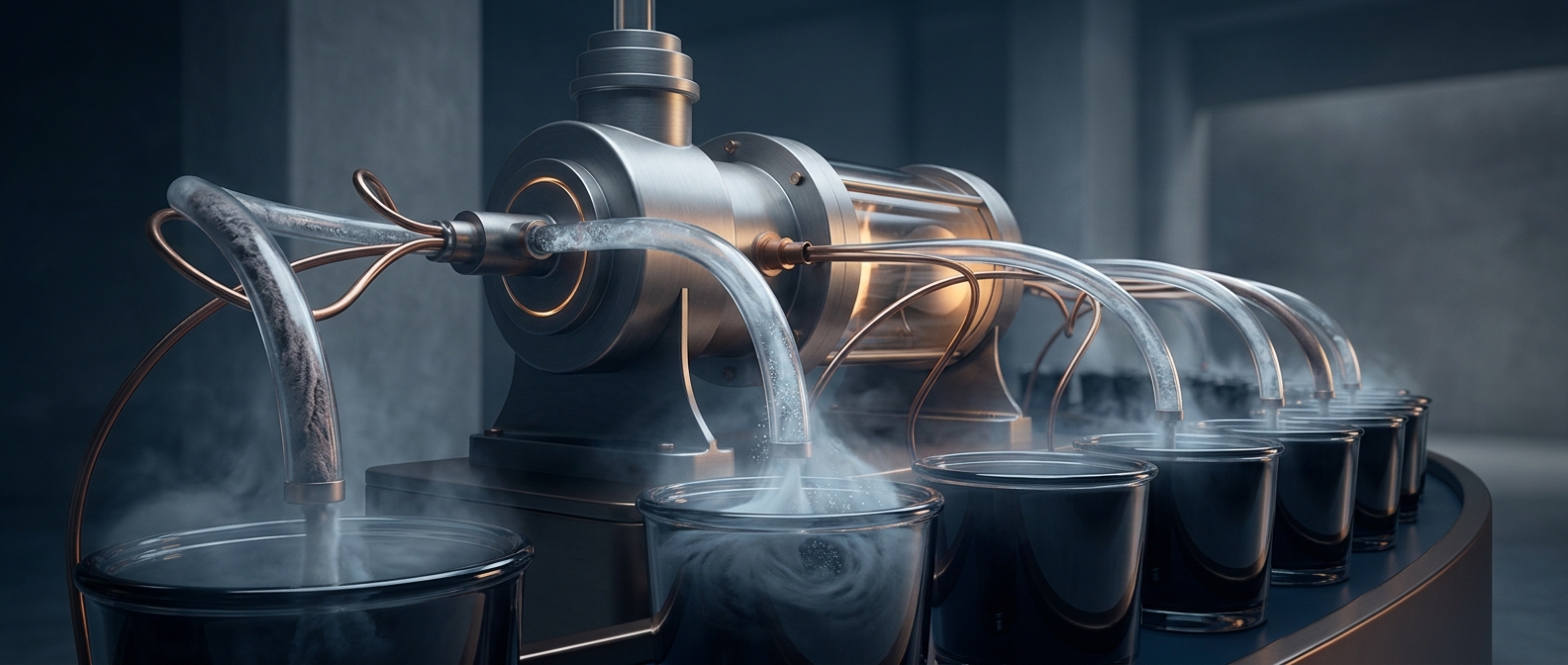
As ice cream freezes, a machine churns the mix and folds in tiny air bubbles. Ice cream makers call the added air overrun: the increase in volume compared with the unfrozen mix. A product with more overrun is less dense, so a tub filled to the same line can weigh less than a denser one.
The air is not just empty padding. Small bubbles help make ice cream softer and easier to scoop; without enough air, it can feel unusually heavy and hard. The maker has to balance that texture against the creamy, substantial feel many customers expect.
Why the difference matters at the store
Most tubs are sold in a set volume, not by weight. That means a shopper comparing containers by size alone may not be comparing the same amount of ice cream. For a closer comparison, check the net weight on the package: a heavier tub of the same volume contains more product by weight, though recipes also differ in ingredients and density.
For manufacturers, incorporating air can stretch a batch into more tubs without adding more dairy mix. That can lower the ingredient cost per container, while also changing the product’s texture. The tradeoff is built into the dessert: the air that makes ice cream easier to scoop can also make a tub look more substantial than its weight suggests.