Why astrologers draw the chart’s houses differently
A birth chart places the Sun, Moon, and planets against the zodiac, then divides the surrounding sky into 12 houses associated in astrology with areas of life. The zodiac positions come from the birth time and place, but the house boundaries depend on a separate choice: how to divide the sky. That choice can move a planet from one house to another without changing its zodiac sign or astronomical position.
Placidus measures time, not equal slices
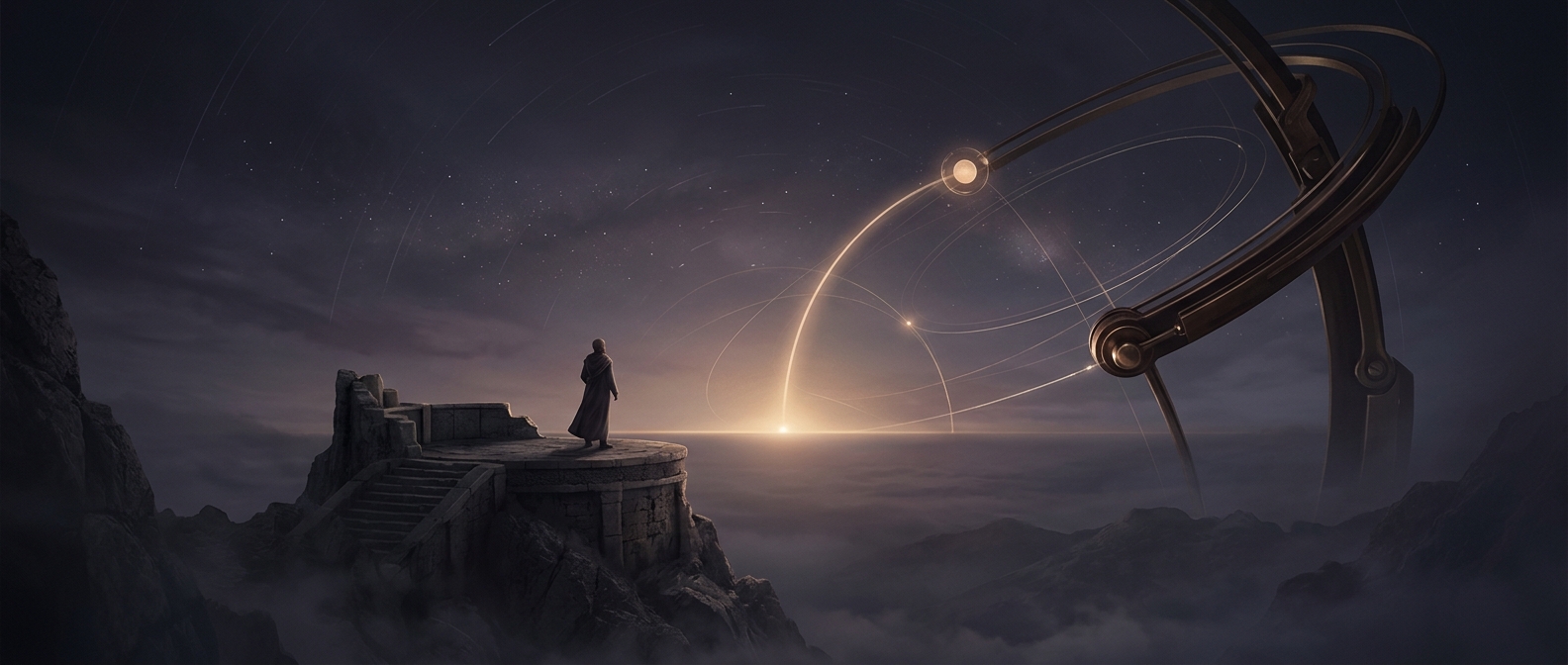
Placidus, a widely used house system, starts from the apparent daily motion of the sky. It divides the time it takes points on the zodiac to travel between the horizon and the highest point overhead, using those time intervals to locate house boundaries. Because that motion does not map evenly onto the sky, Placidus houses are often unequal in size.
That makes the system more than a set of twelve equal wedges. Its appeal is precisely its connection to the chart’s location and the sky’s apparent movement there. Other systems use different rules—such as dividing space into equal sectors—so astrologers can produce different house placements from the same birth details.
Why high latitudes cause trouble
Near the poles, the relationship between the horizon and the zodiac changes sharply. Some zodiac degrees may remain above or below the horizon for unusually long periods, rather than following the familiar pattern of rising and setting. Since Placidus relies on dividing those apparent travel times, its calculations can become extreme or fail for some locations and dates.
The dispute over which system is “correct” is therefore partly a dispute over what a house system ought to represent: equal spatial divisions, time spent moving through the sky, or another organizing principle. For someone born at a high latitude, that abstract argument can have a practical result: one system may place a planet cleanly in a house, while Placidus cannot produce ordinary boundaries at all.