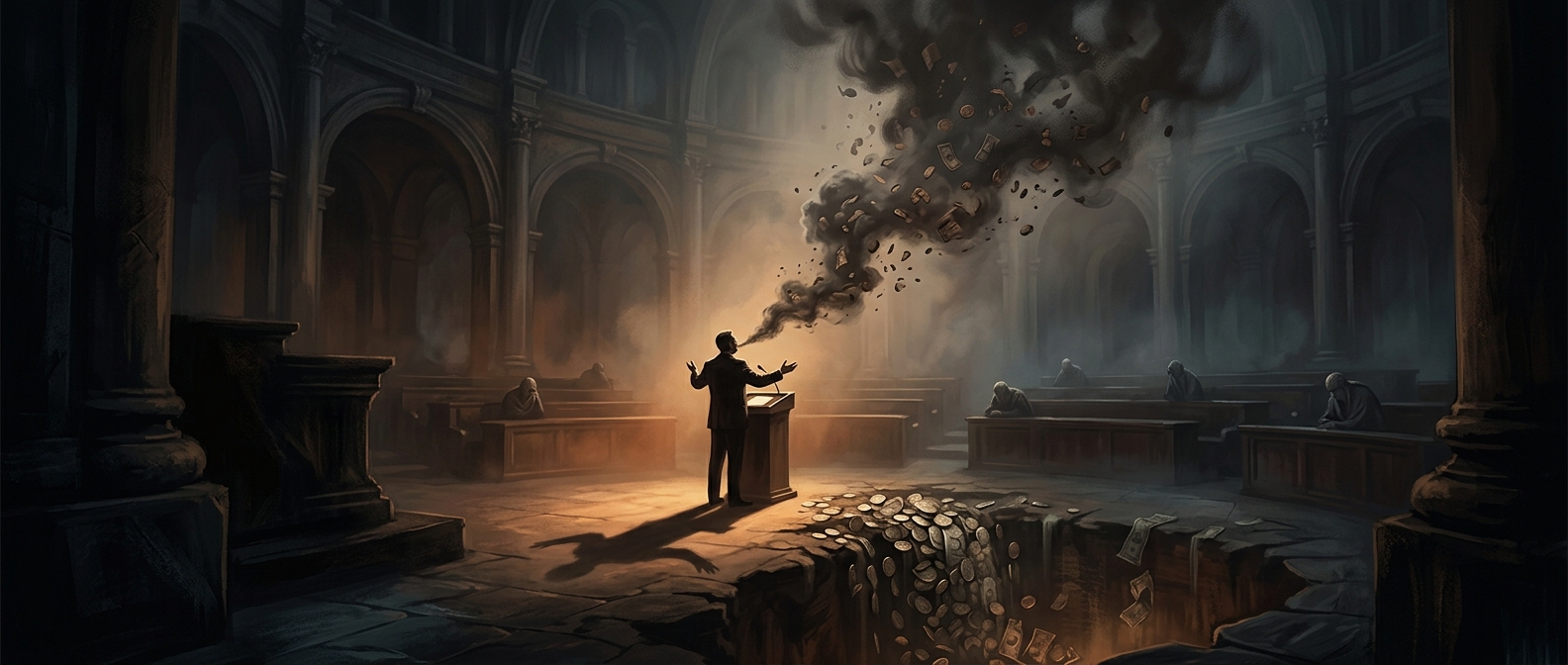
When Home Upkeep Reached the Moat
A housing allowance can turn an ordinary household repair into a question of public accountability. If officials are allowed to claim costs for maintaining a home, the system has to decide which expenses genuinely belong to that upkeep—and whether taxpayers should pay them.
A moat around a castle is an unusually visible example of how broad that category can become. Dredging removes accumulated mud and debris so the waterway remains usable. It is a real maintenance task, but its scale and setting make it feel far removed from the routine repairs people usually associate with a home.
The Problem Was the Boundary
The expense scandal brought that boundary into view. The issue was not simply that a maintenance bill existed; it was that public money had been claimed under rules whose reach could include an extraordinary feature of an official’s residence. When the rules do not make the limits clear—or when claims are not closely examined—an allowable category can look like a blank check.
That is why seemingly eccentric expenses can carry political weight. They give the public a concrete way to judge whether a system designed to cover legitimate housing costs is being used proportionately. A moat may need dredging, but the bill also raises a harder question: where should private upkeep stop and public responsibility begin?