The Hidden Cost of Waiting Between Deliveries
A delivery driver is paid for completed orders, not for every minute spent logged in. Time spent driving to a restaurant, waiting for food, or crossing an empty stretch of town can therefore shrink the effective hourly earnings from a shift. Small tactics matter because they target those unpaid gaps.
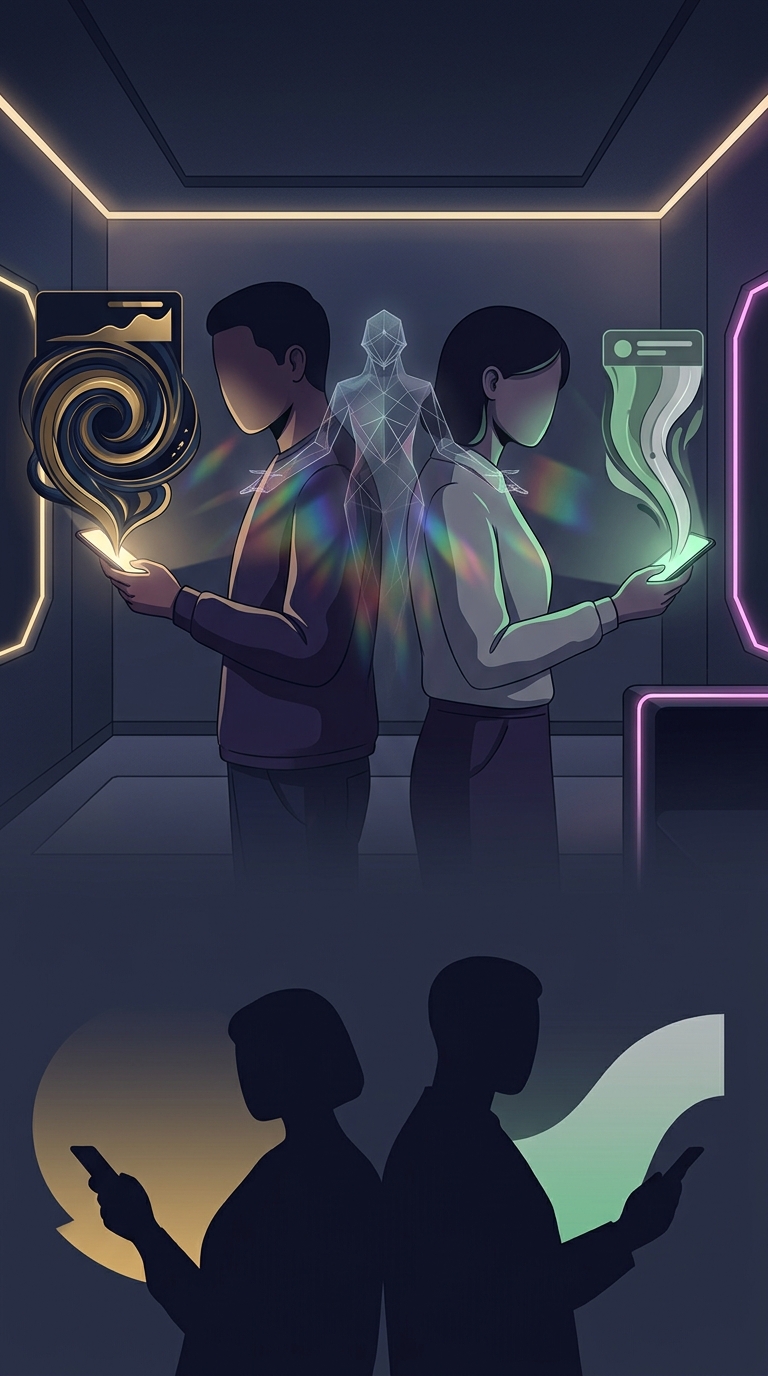
Keeping a snack and drink on hand, for example, can prevent a short break from turning into a detour. Watching more than one delivery app may offer another way to find an order when one platform is quiet. But accepting overlapping jobs creates a tradeoff: a second pickup can add miles or delay the first customer, so more offers do not automatically mean more money.
Why Drivers Treat the Map Like a Strategy Game
Demand changes by place and time. A map marking busy areas can help a driver decide whether to stay near a restaurant cluster or move toward a zone with more potential orders. That choice has a cost: driving toward a promising area uses fuel and time, and the demand may have shifted by the time the driver arrives.
Location tricks have similar limits. A simulated GPS position can make a phone report a location different from the driver’s actual one, but it does not put the driver closer to a restaurant or make an order available. The useful calculation is still whether the expected work is worth the travel and waiting.
The Strategy Has a Hard Ceiling
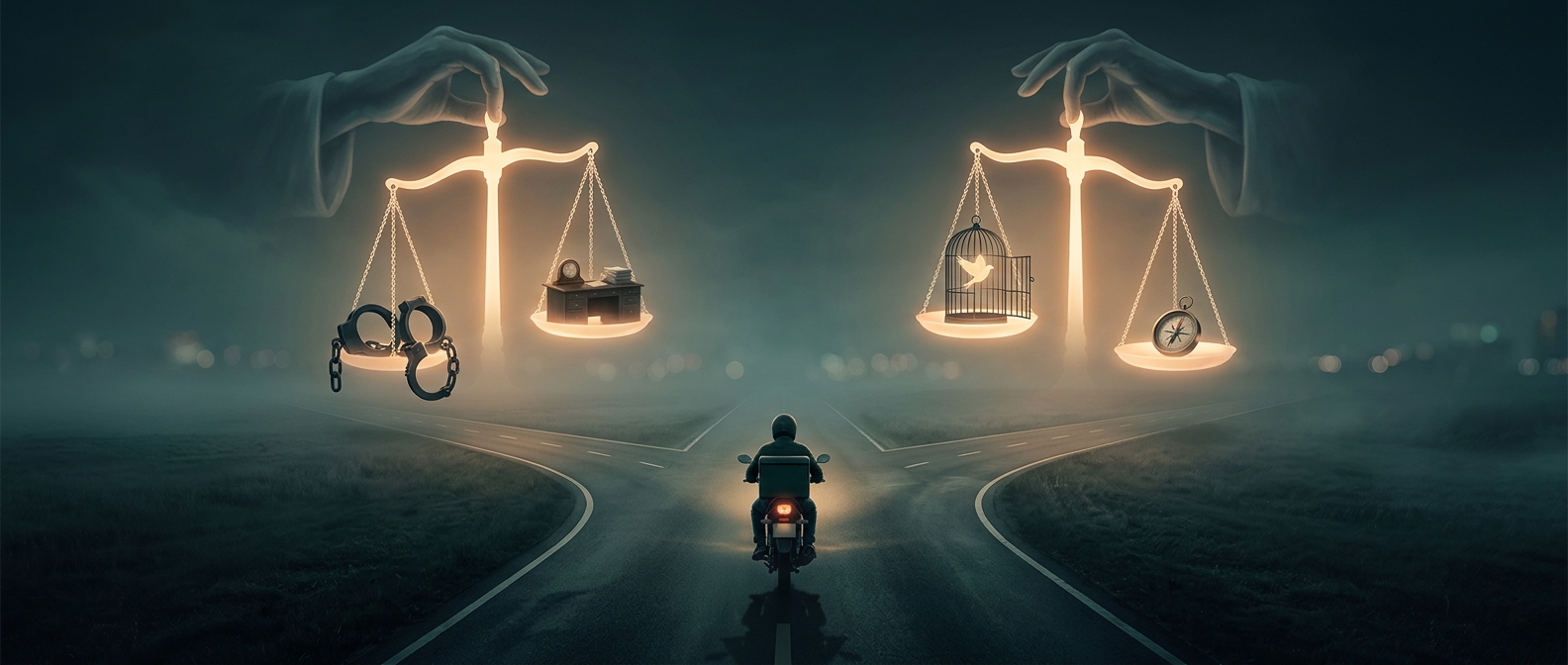
These decisions can improve the use of a shift, but drivers do not control order volume, restaurant delays, or how platforms distribute offers. The “game” is played with incomplete information and real operating costs. A snack that saves ten minutes is helpful; a long drive chasing a signal of demand can erase that gain. The stakes are practical: a few minutes saved repeatedly may help cover expenses, while one bad bet can turn unpaid time into unpaid mileage.