One company controlled the whole trip to the screen
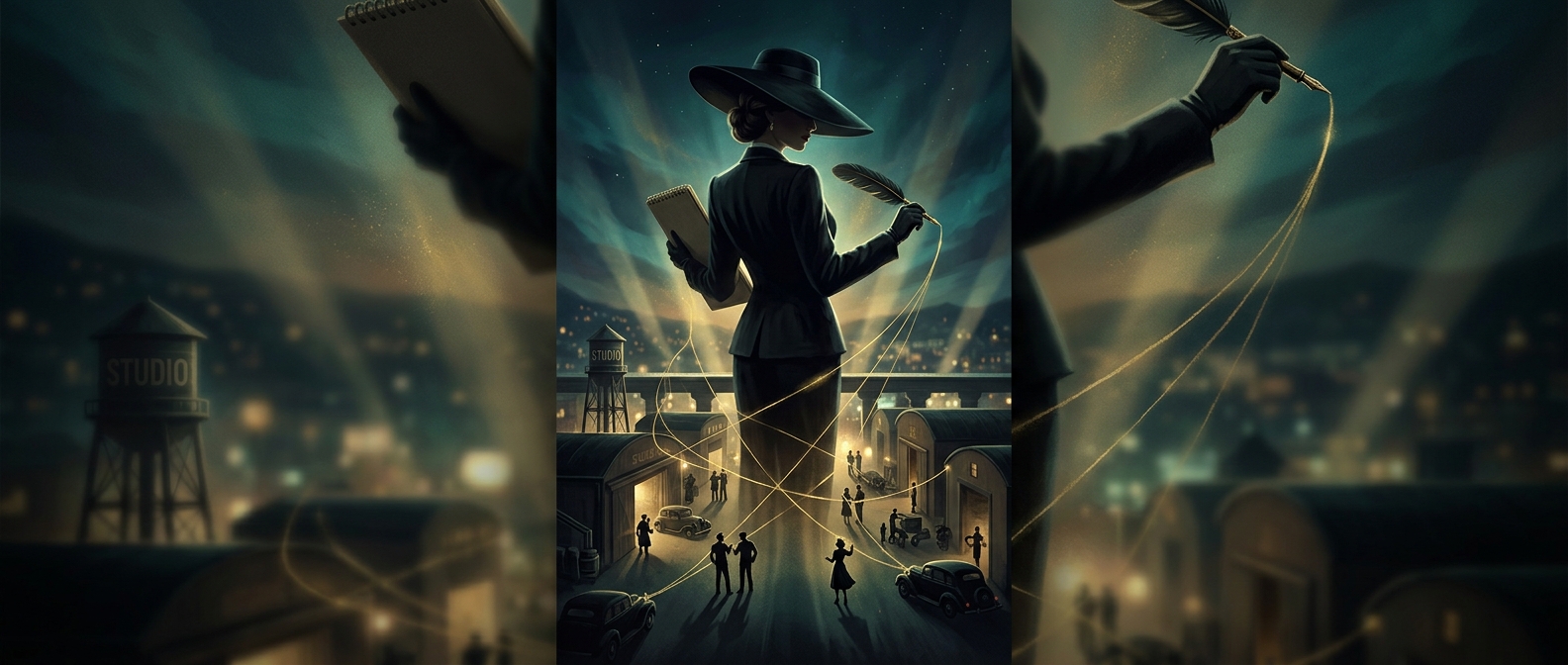
Before the antitrust case, the largest studios could make a film, send it through their own distribution networks, and own many of the theaters that played it. That arrangement gave them influence at every stage between production and a moviegoer’s seat. A theater owner who wanted a popular studio release could have little leverage over the terms.
The system’s sharpest pressure point was block booking: studios required theaters to rent groups of films together, sometimes before the theater had seen them. A theater might have to take lesser-known pictures to secure a highly anticipated one. Independent theaters, which lacked a studio’s supply of hits, could struggle to compete.
The case targeted control, not filmmaking
The federal government argued that the major studios’ combined control over production, distribution, and exhibition—the business of showing films—restricted competition. In 1948, the Supreme Court upheld a lower-court decision against the studios in United States v. Paramount Pictures. The resulting legal settlements required the major companies to separate their theater businesses from their production and distribution operations; the process unfolded through agreements and court oversight rather than an instant, identical sale by every studio.
The change weakened the studios’ ability to steer their own films directly into their own theaters and helped limit practices such as block booking. It did not end studio power: the companies still made and distributed movies, and the ruling did not guarantee that independent theaters would thrive. But exhibitors had more room to choose films without accepting an entire package as the price of getting a draw.
A less predictable route to audiences
With theater ownership separated from studio operations, studios had to rely more on negotiations with exhibitors to secure screens. That shifted leverage in the business: a film’s success depended not only on what a studio produced, but also on whether independently run theaters chose to show it. Hollywood remained a powerful industry, but no single studio could use ownership of the theater as the final link in its own distribution chain.