What the Hovering Hands Are Meant to Do
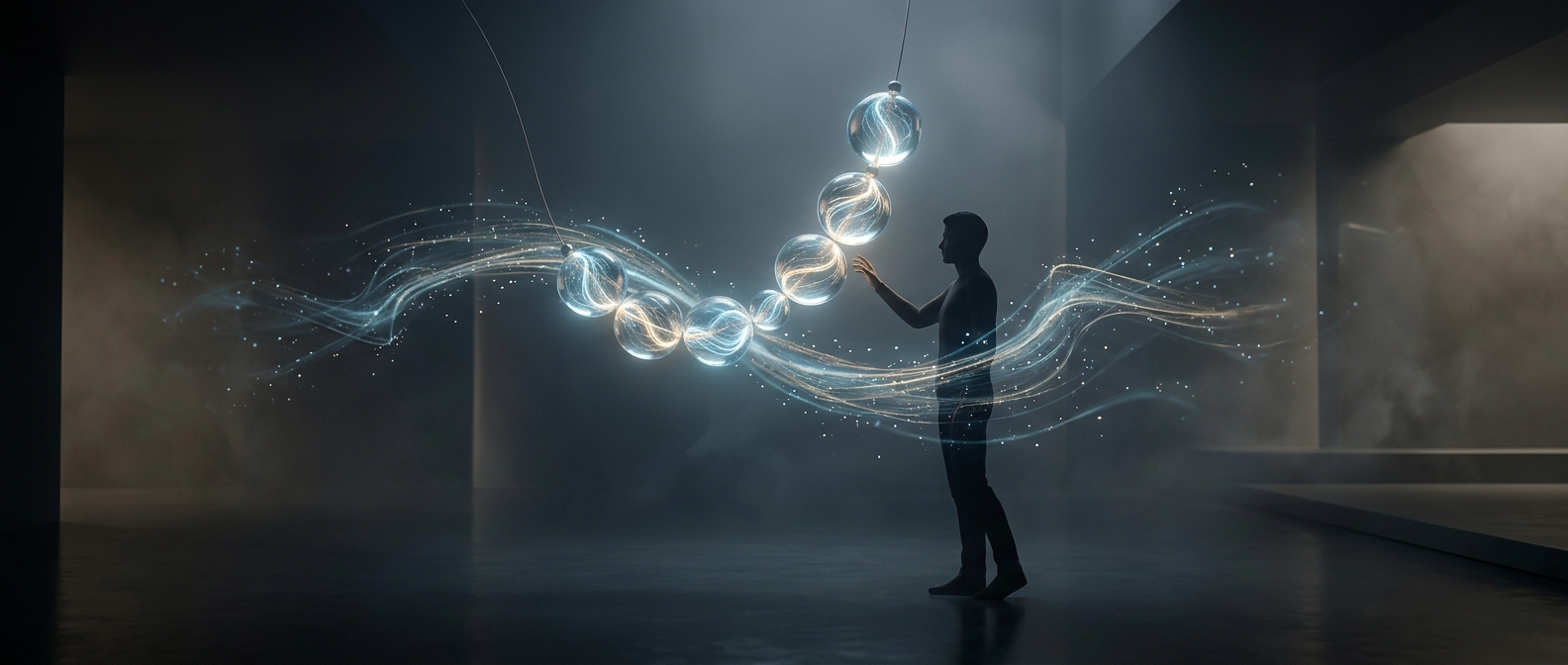
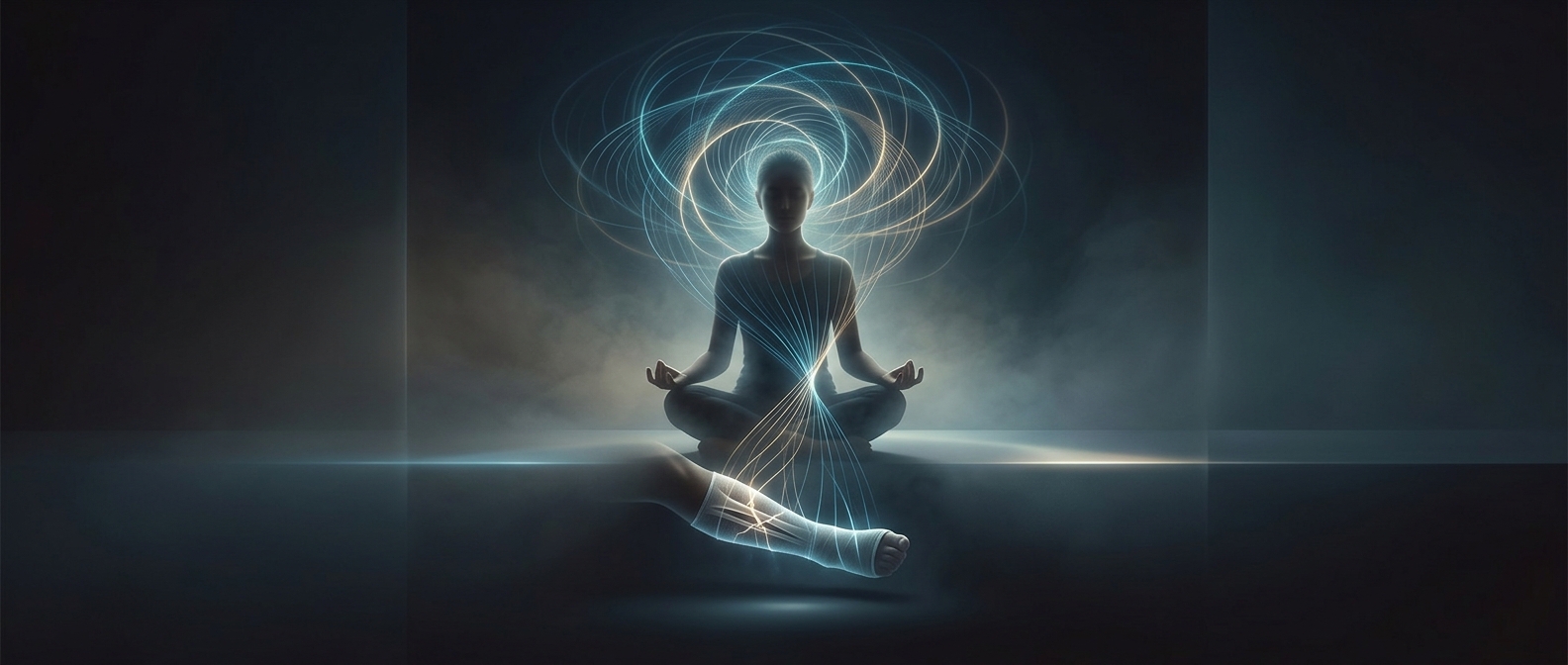
In noncontact energy-healing practices, the practitioner’s hands are treated as a channel, not as a tool that physically presses or manipulates the body. The underlying belief is that a universal life energy can be directed toward a person, including areas thought to be out of balance. Because this energy is considered invisible, the practitioner’s gestures serve as the visible part of a process that is understood to happen beneath the surface.
The client usually remains clothed and still while the practitioner moves their hands over or pauses above different parts of the body. The sequence gives the session a structure: attention shifts from one area to another, while quiet and steady movement encourage the client to focus inward.
Why the Practice Avoids Touch
Keeping the hands just above the body makes the exchange feel deliberate without requiring physical contact. That can matter to people who prefer personal space, find touch uncomfortable, or experience the session as a spiritual ritual rather than a hands-on treatment. The practitioner’s calm posture and repeated gestures also help establish a setting in which the client can slow down and notice sensations such as warmth, tingling, or ease.
Those sensations can be meaningful to the person experiencing them, but they do not by themselves show that an invisible energy has moved. In the practice’s own framework, the hands make an unseen act of care legible: the practitioner directs attention and intention toward the client, while the client rests and receives it. The defining feature is not contact, but the belief that healing can be offered through a channel that cannot be seen or measured by the hands themselves.