When Period-Accurate Costume Met a Real Health Risk
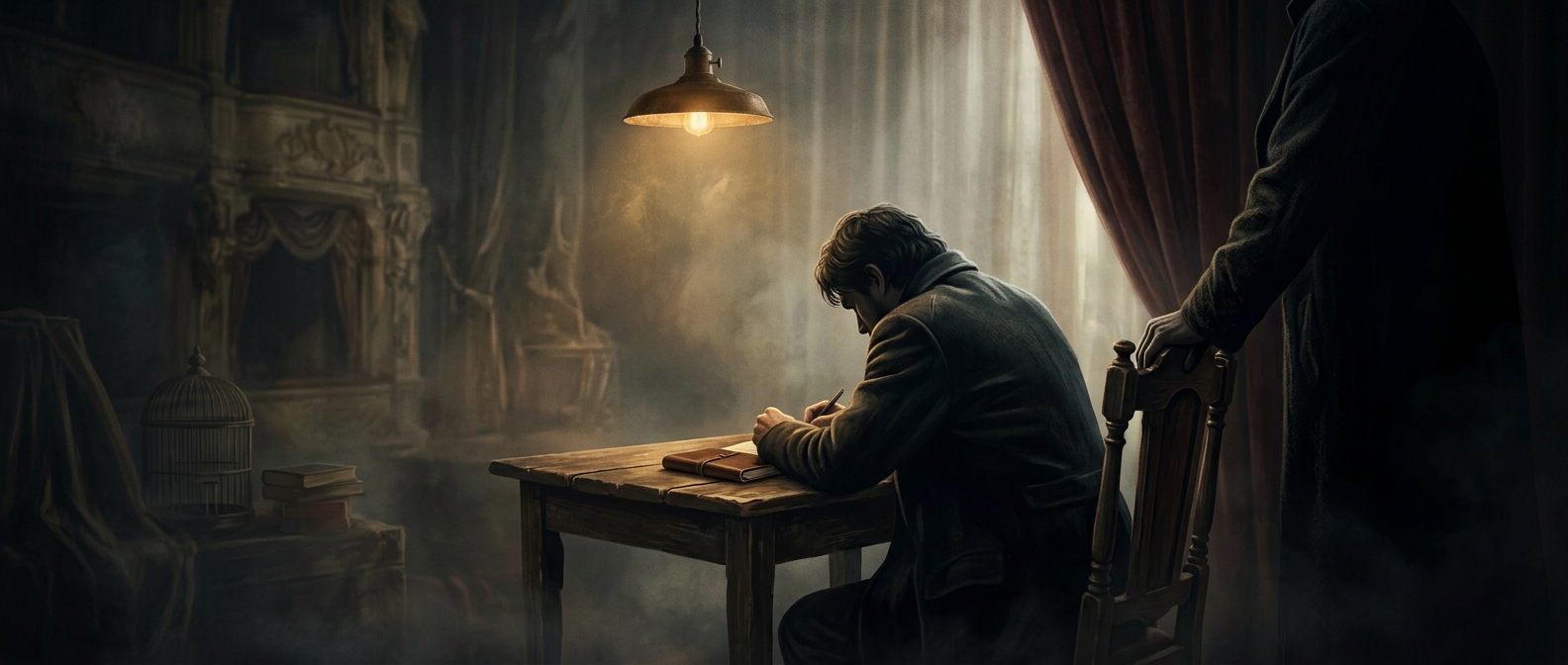
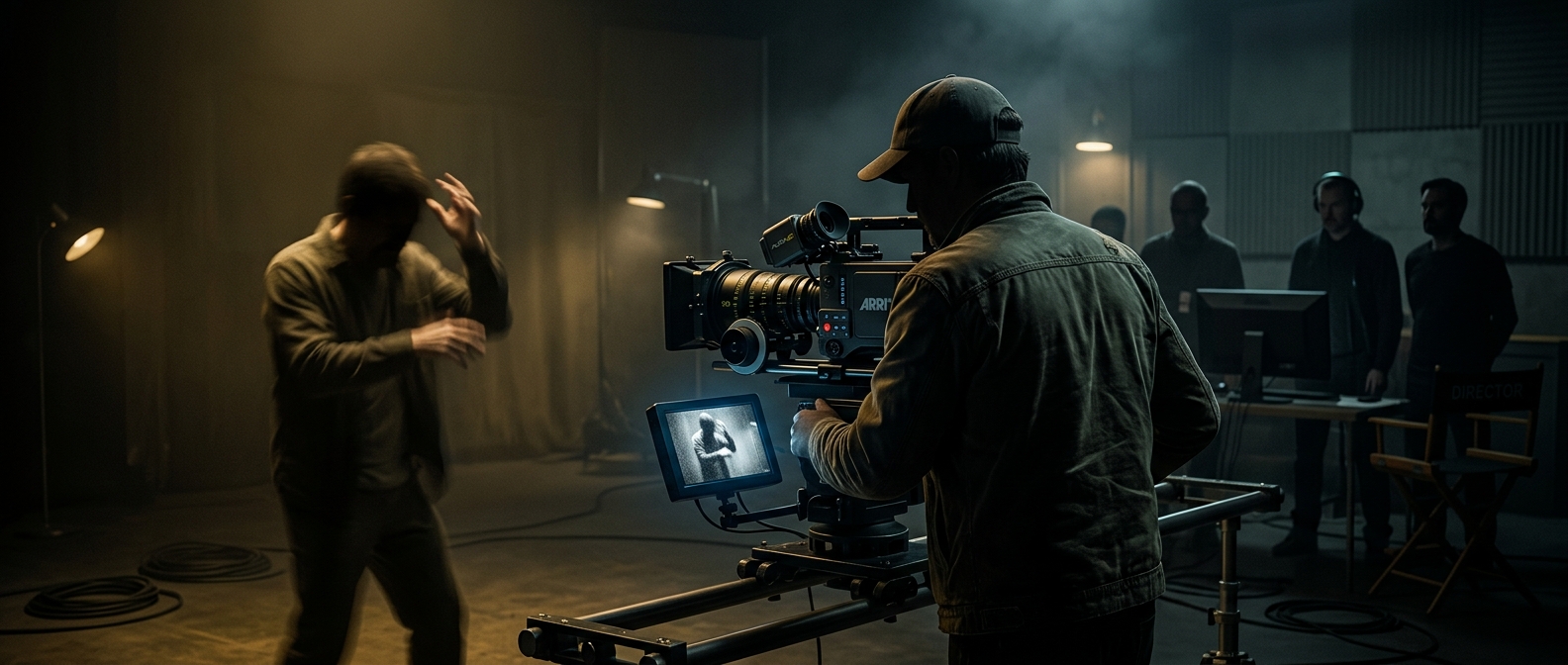
A film costume has to do more than look right in a still frame. It must also work across scenes, movements and camera angles—and, in a historical drama, it can help keep the audience inside a world that no longer exists. On Gangs of New York, Daniel Day-Lewis’s refusal of an insulated coat brought those demands into conflict with a basic production concern: keeping an actor warm enough to work safely.
The coat was rejected because it did not fit the film’s 19th-century setting. That decision reflects how immersion can become part of an actor’s working method: modern protections may feel like they break the conditions of a scene, even when they are invisible to the audience. But a costume can only suggest historical hardship; the physical consequences of exposure are real.
The Line Between Character and Performer
Pneumonia is an infection that inflames the lungs and can make breathing difficult. It is not simply the discomfort of being cold on set, and an insulated coat would not itself cure it. The important distinction is that a production can recreate the appearance of a harsh environment, while illness requires real medical attention.
Day-Lewis agreed to treatment only after being warned that he might die. The episode shows the danger in treating authenticity as an absolute: a choice that supports a performance can also put the performer’s health at stake. For a period film, the practical challenge is to preserve the old-world image on camera without requiring the people making it to endure every hardship the image implies.