Why Swedish cars stay lit in daylight
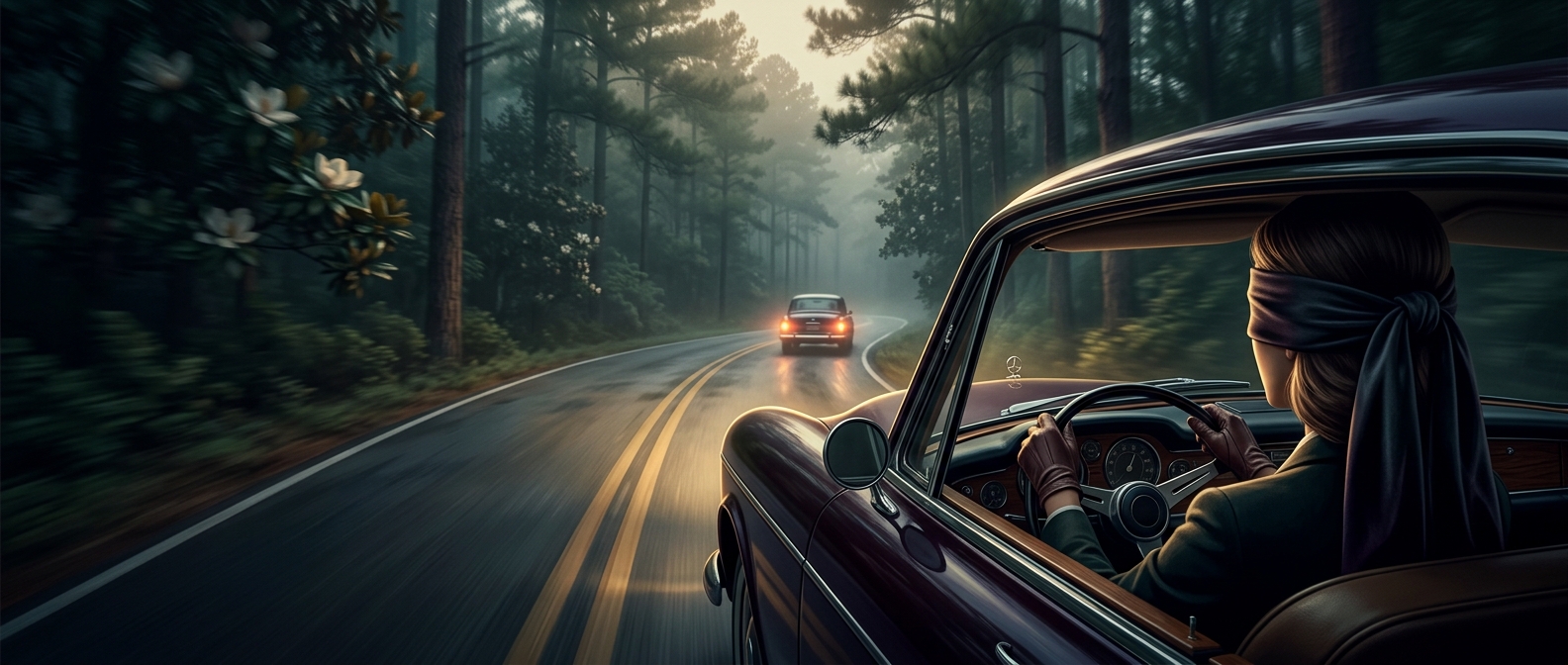
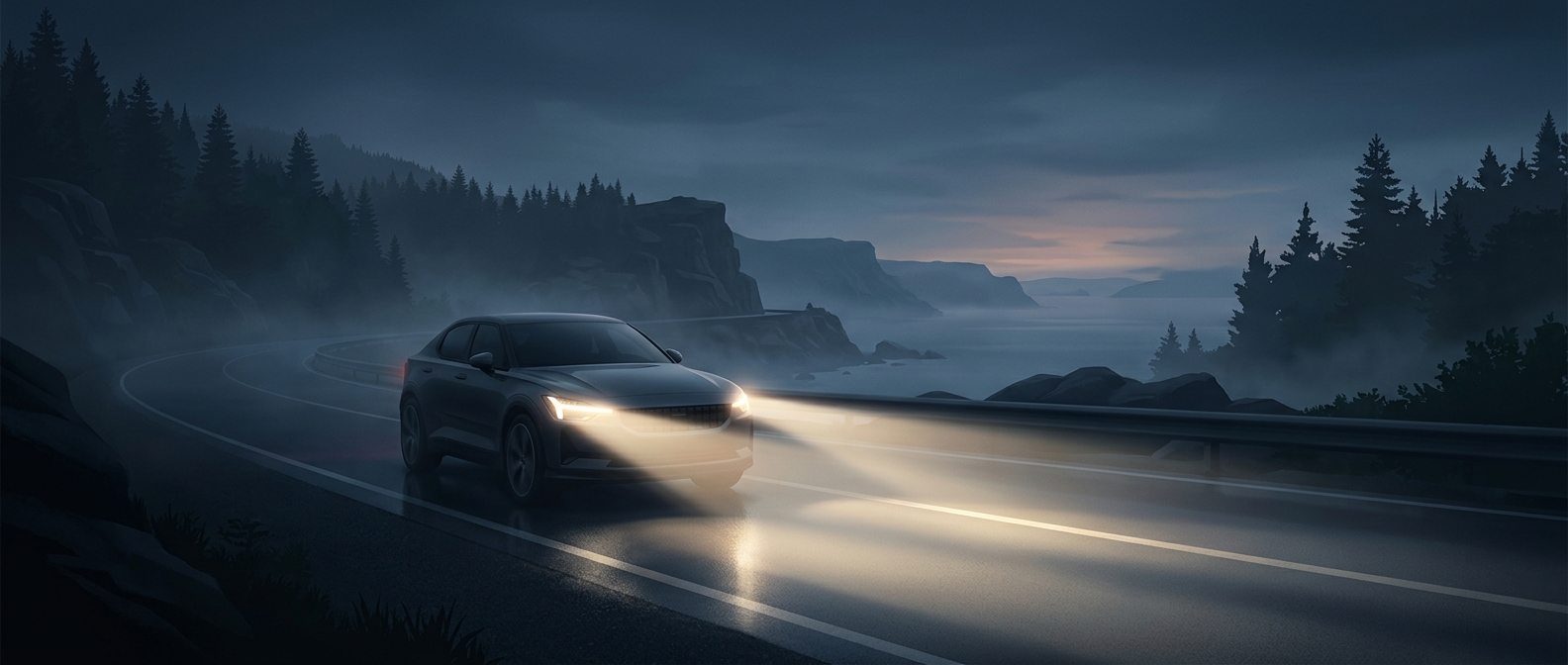
A car can be hard to pick out even when the road seems bright. Low sun, a shaded stretch beneath trees, mist, or a sudden change in weather can make a vehicle blend into its surroundings. Sweden’s always-on lighting rule gives other road users a clearer cue that a car is approaching, rather than relying on drivers to remember to switch their lights on as conditions change.
The requirement applies to motor vehicles in daytime as well as after dark. In daylight, a vehicle may use either dipped headlights—low beams aimed at the road—or approved daytime running lights, designed mainly to make the front of a car more visible.
Daytime lights are not a substitute for night lights
Daytime running lights are for being seen, not for lighting the road ahead. Depending on the vehicle, they may illuminate only the front, leaving the rear lamps off. When visibility falls or it gets dark, drivers need the appropriate full lighting, including rear lights; an automatic setting may not respond to every change in conditions.
That distinction matters on a road that passes quickly from open sky into forest shade, or when daylight fades during a long drive. The rule makes illumination the starting point, but drivers still have to adjust it to what they can see—and to whether others can see the back of their car.