When Waiting Becomes the Best Deal
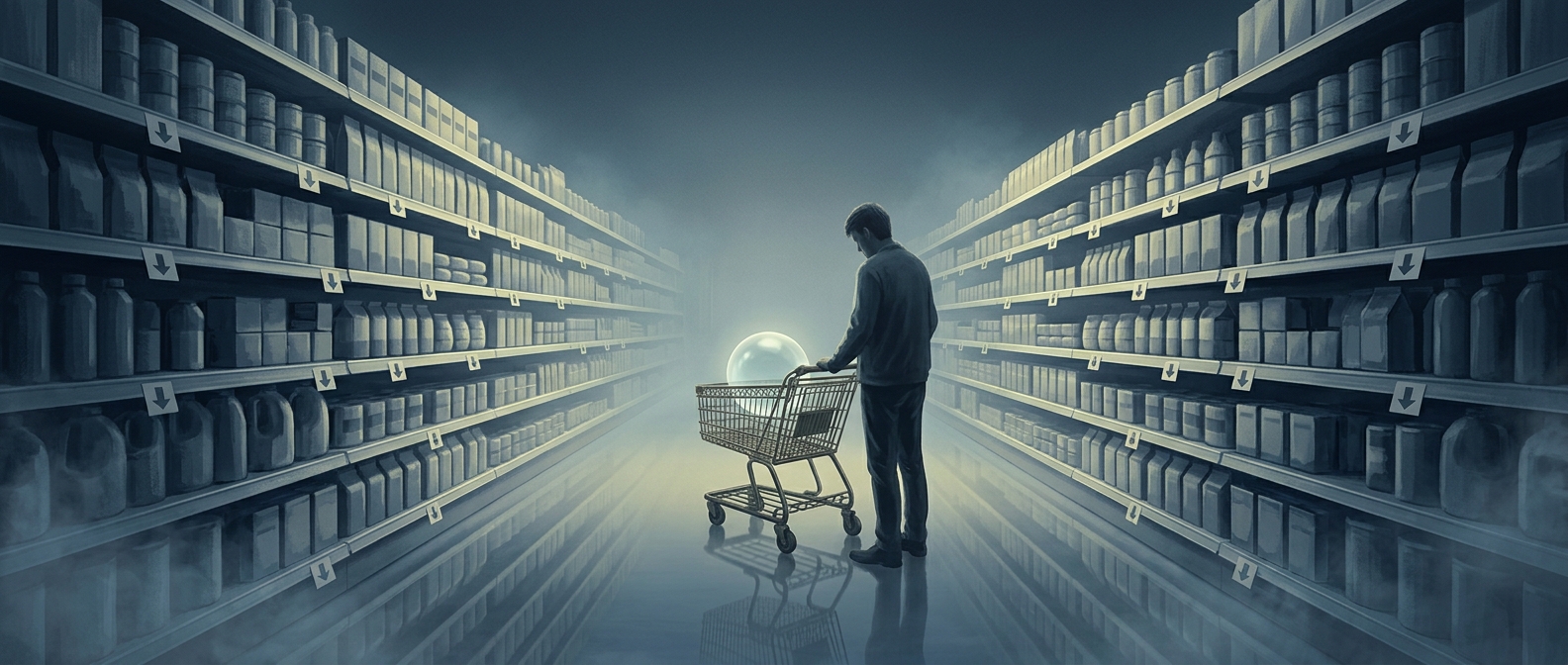
If shoppers expect a general drop in prices, postponing a purchase can seem like a smart way to save. That choice is easiest for things that can wait—a new appliance, a car, or a piece of equipment. But when many households and businesses delay at once, sellers bring in less money and cut back on orders, production, or hiring. Those cuts reduce income for other people, who may then postpone spending too.
Why the Downturn Can Feed Itself
A broad, sustained decline in prices is called deflation. It can be more damaging than a temporary discount because it changes what people expect. A lower price today makes waiting seem worthwhile; weaker sales then give businesses a reason to lower prices again.
Businesses cannot always make up for falling revenue by cutting costs quickly. They may reduce workers’ hours or wages, cancel investments, or lay people off. Households facing less income have fewer purchases they can afford, even if the goods are cheaper. The result is a loop in which falling prices and falling spending reinforce each other.
Debt Makes Falling Prices Harder
Many loans require repayment in dollars set when the loan was made. If prices and incomes fall, those payments do not automatically shrink. The debt therefore takes up a larger share of a borrower’s income, leaving less to spend elsewhere. Businesses under the same pressure may postpone expansion or hiring.
This does not mean every price decrease is dangerous. A seasonal sale or cheaper electronics can benefit buyers without signaling that incomes and spending across the economy are shrinking. The warning sign is a persistent, widespread decline that encourages people to wait—and leaves businesses earning less while their bills remain due.