A Road’s Traffic Has to Pay for Its Surface
Paving is not a one-time upgrade. Asphalt must be laid over a prepared base, and the road needs drainage so water does not undermine it. Later, crews have to patch cracks and potholes, repair damage from freeze-thaw cycles, and eventually resurface it. On a lightly traveled rural road, those costs can be hard to justify when relatively few drivers benefit.
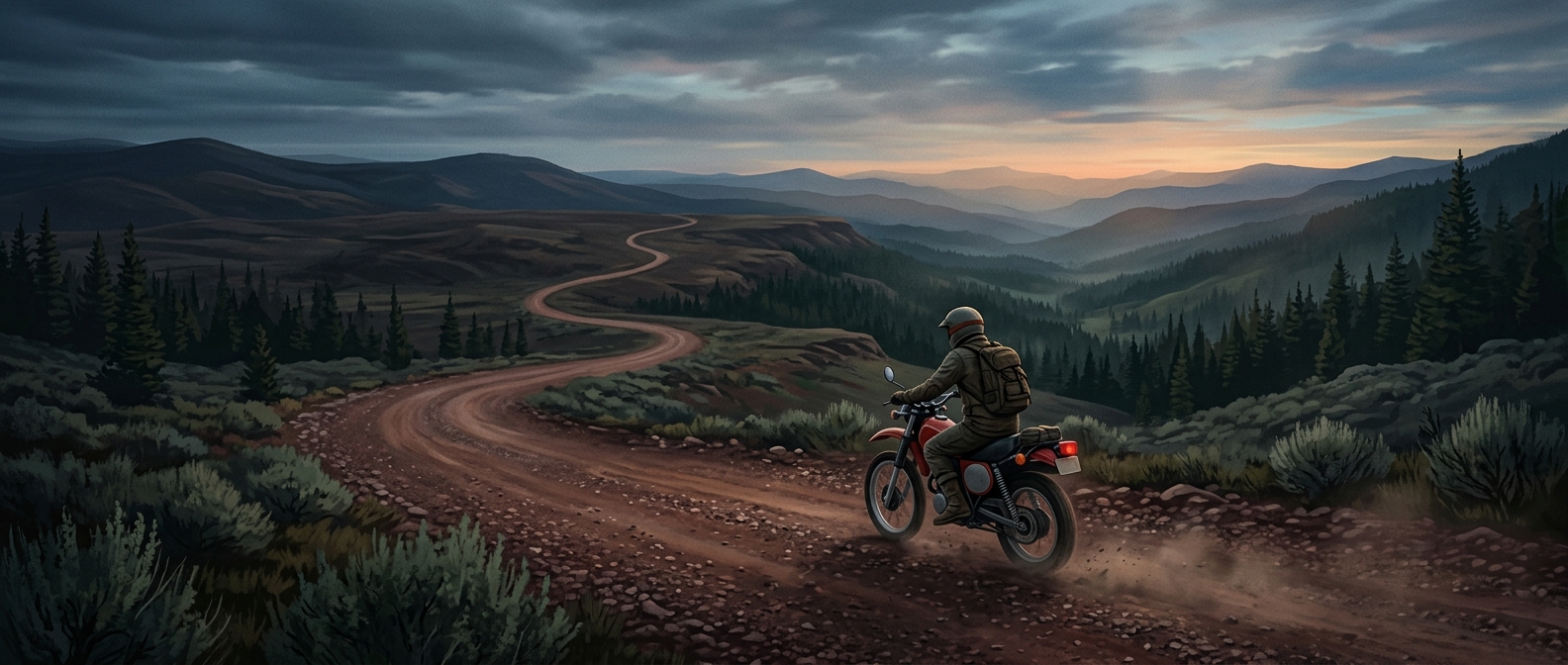
A dirt or gravel road still needs work, but its upkeep is different and often less expensive. A grader—a machine with a long blade—can scrape the surface to smooth ruts and reshape the road so water drains away. That maintenance is recurring: rain and passing vehicles loosen material, and traffic can throw up dust or carve grooves. But it avoids the larger initial expense of building and maintaining an asphalt surface.
The Tradeoff Is Comfort for Cost
The choice is not simply between a good road and a neglected one. Local road agencies have limited budgets and must decide where paving will help the most. A busy route used by commuters, school buses, or freight can justify the investment through smoother, more dependable travel. On a road serving a small number of homes, grading may be the more practical way to keep access open without committing scarce funds to pavement.
The difference is felt most when conditions change. Rain can turn an unpaved surface soft or wash material away; dry weather can bring dust, and ruts make driving slower and rougher. Asphalt generally offers a more consistent surface, but only if the agency can afford both the construction and the continuing repairs.
A Line on a Map Is Not a Guarantee
Maps show where roads go, not what they are made of or how comfortable they are to drive. In rural America, a blue route may lead along a maintained dirt road because the community’s priority is reliable access, not pavement at any price. The surface reflects a budget decision made over years: who uses the road, what upkeep it needs, and which other routes need the money more.