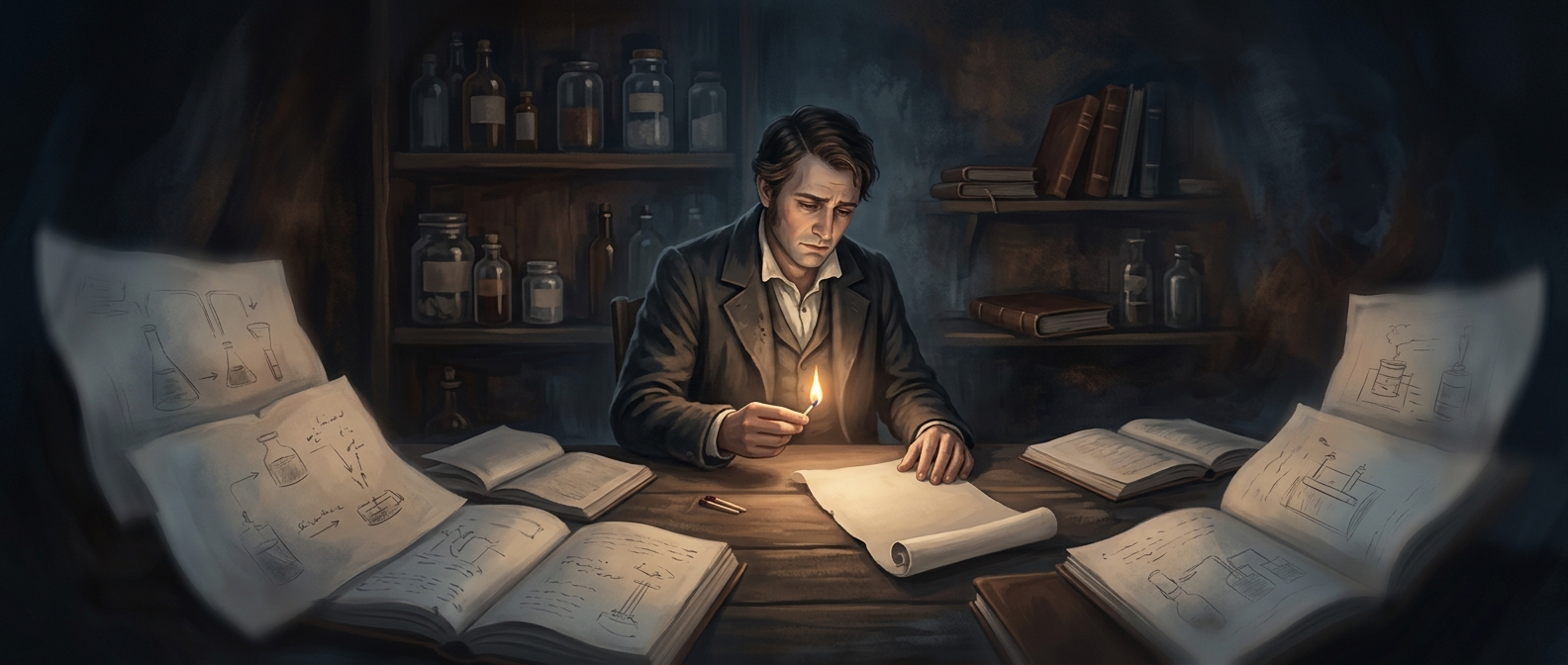
What an unpatented formula changed
A patent gives an inventor a temporary legal right to control who makes or sells an invention. Without one, Walker’s match-making formula could be copied by other makers without paying him for permission. That removed a barrier to entering the market: a manufacturer could adopt the idea, produce matches, and compete on price or availability rather than negotiate a license.
The tradeoff between reach and reward
For the public, free copying can help a useful product spread. More makers can experiment with production and bring the item to more customers. But the same openness means the original inventor has no patent-based claim to a share of those sales. Walker’s choice favored broad access over the chance to earn income by restricting commercial use of his formula.
The result is a striking economic split: the invention could become widely useful even as its inventor received none of the commercial return from other makers’ copies.