Why a routine balance patch felt like a rollback
In an action role-playing game such as Diablo, a patch can change far more than a line of damage numbers. Adjustments to skills, equipment, and how quickly characters earn rewards alter the practical rhythm of play: which builds feel viable, how long a fight takes, and whether hours of carefully chosen upgrades still seem worthwhile.
That is why sharp reductions can land differently from ordinary bug fixes. Players may have planned characters around the previous rules, invested time in a particular build, or treated faster progression as part of the game’s promise. When several changes arrive together, even individually defensible adjustments can feel like the developers have changed the terms of that bargain.
Why the developers went live
A patch is usually the studio’s first response to a design problem: developers adjust the system and explain the changes in notes. But when the response is overwhelmingly negative, the problem is no longer only whether the numbers are balanced. Players also want to know what the team was trying to achieve, whether it understands the impact, and what it intends to do next.
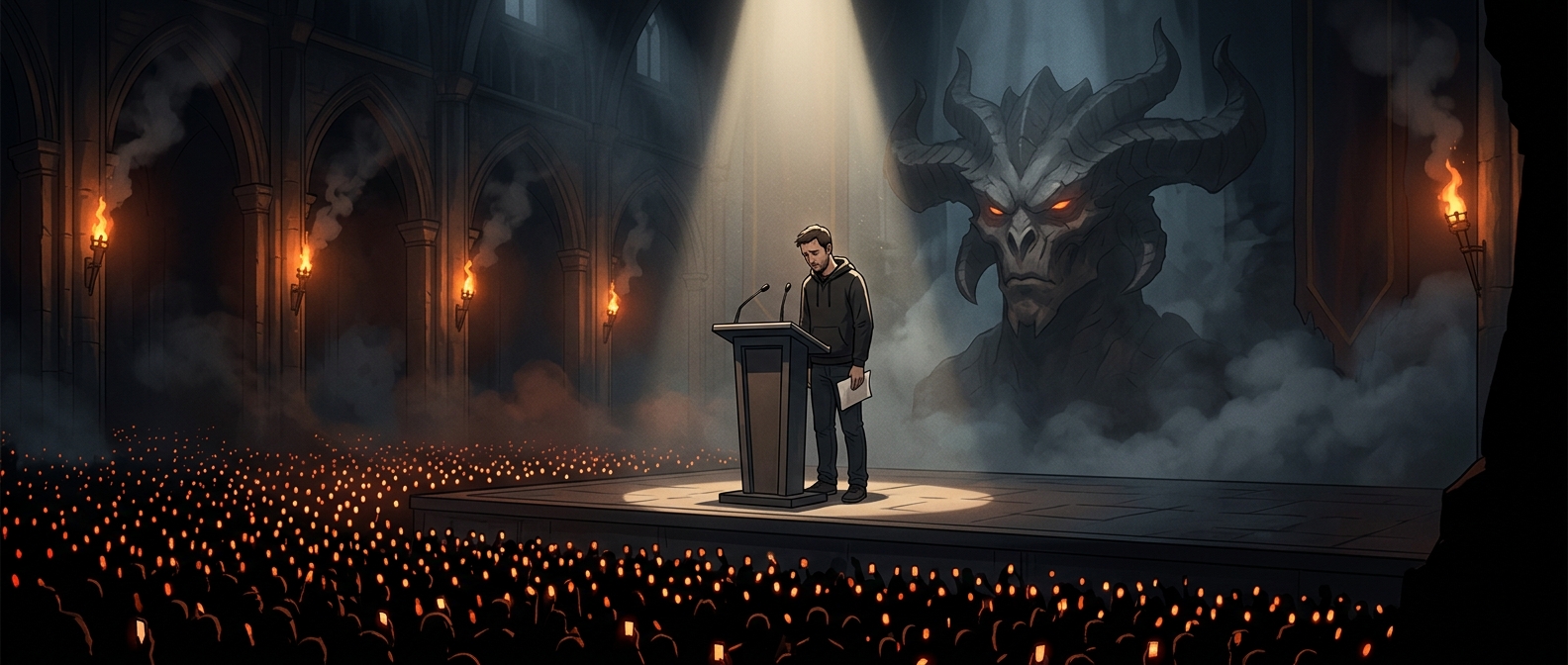
An apology livestream makes that conversation public and immediate. Developers can address the decisions in context rather than leaving players to infer intent from a list of changes. It also raises the stakes: viewers can hear the explanation directly, while the studio has to confront a reaction that a routine follow-up patch might not resolve on its own.
The cost of changing a live game
Developers must keep a game challenging and sustainable over time, but players experience those goals through moment-to-moment play. A change meant to control power or slow progression can therefore feel less like maintenance than a loss—especially when it weakens options players had already chosen.
The livestream mattered because it acknowledged that gap between design intent and lived experience. In a game built around repeated character upgrades, changing the numbers can change not just how strong a hero is, but whether the time spent building that hero still feels rewarding.