Why the Italian morning meal is often so small
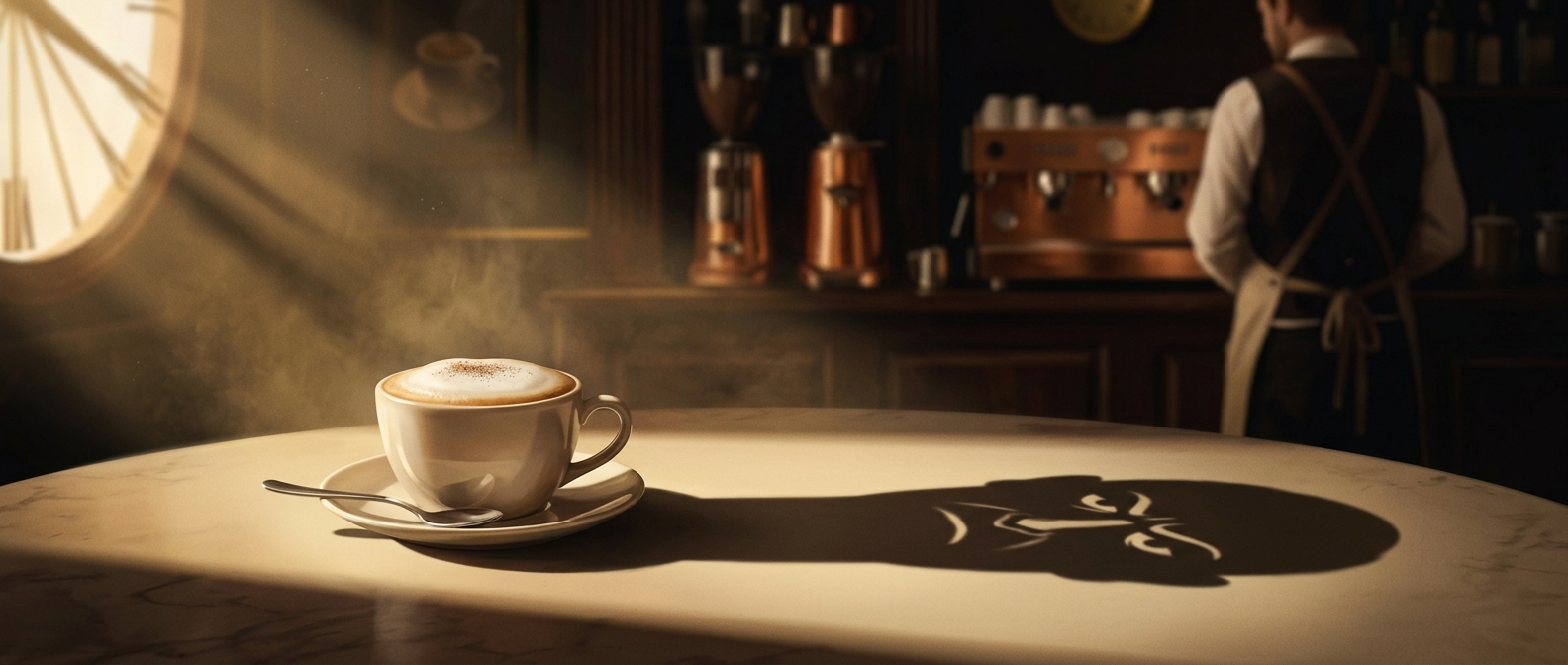
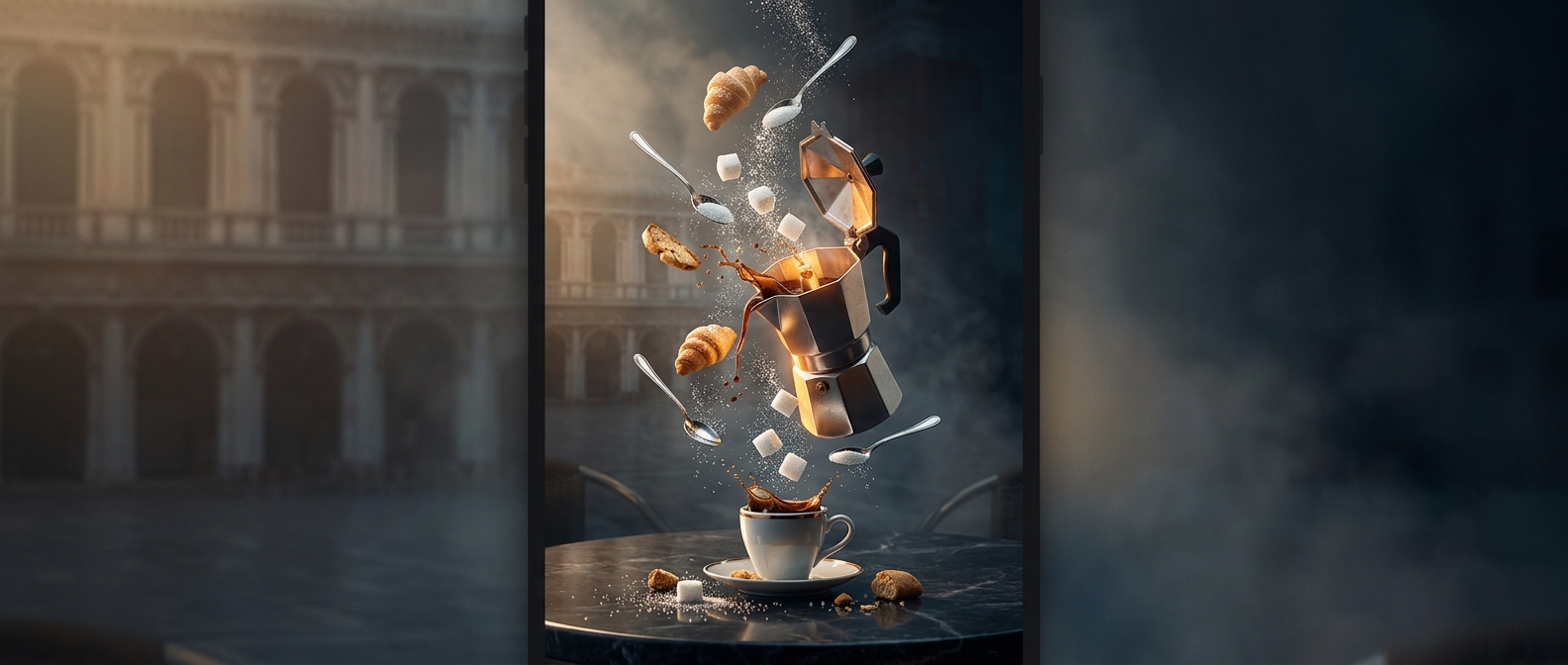
In Italy, breakfast is commonly a quick, sweet stop rather than a substantial meal. At a neighborhood bar—often a café as well as a place to order coffee—people may eat a cornetto, a crescent-shaped pastry, with espresso or cappuccino before continuing their day. The routine fits a morning organized around a brief pause, not a long sit-down meal.
That can make for a pleasant start, but it may not keep everyone full for long. A pastry is usually modest in size and provides much of its energy as carbohydrates, while offering less protein and fiber than a breakfast built around foods such as eggs, yogurt, or whole grains. Protein and fiber tend to make meals more filling, so hunger can return sooner after a light pastry-and-coffee breakfast.
A cultural pattern, not a rule
The bar breakfast is a recognizable everyday ritual, not a prescription followed by every Italian. What people eat varies with household habits, schedules, appetite, and region; some have breakfast at home, and some choose more substantial foods. Even the familiar pastry-and-espresso stop is less a guaranteed recipe for hunger than a combination of small portions and foods that may not provide lasting fullness.
For a traveler, the practical difference is easy to notice: a quick coffee-and-pastry stop may be enough to join the morning rhythm, but it may not replace a larger breakfast if you need to stay satisfied until lunch.