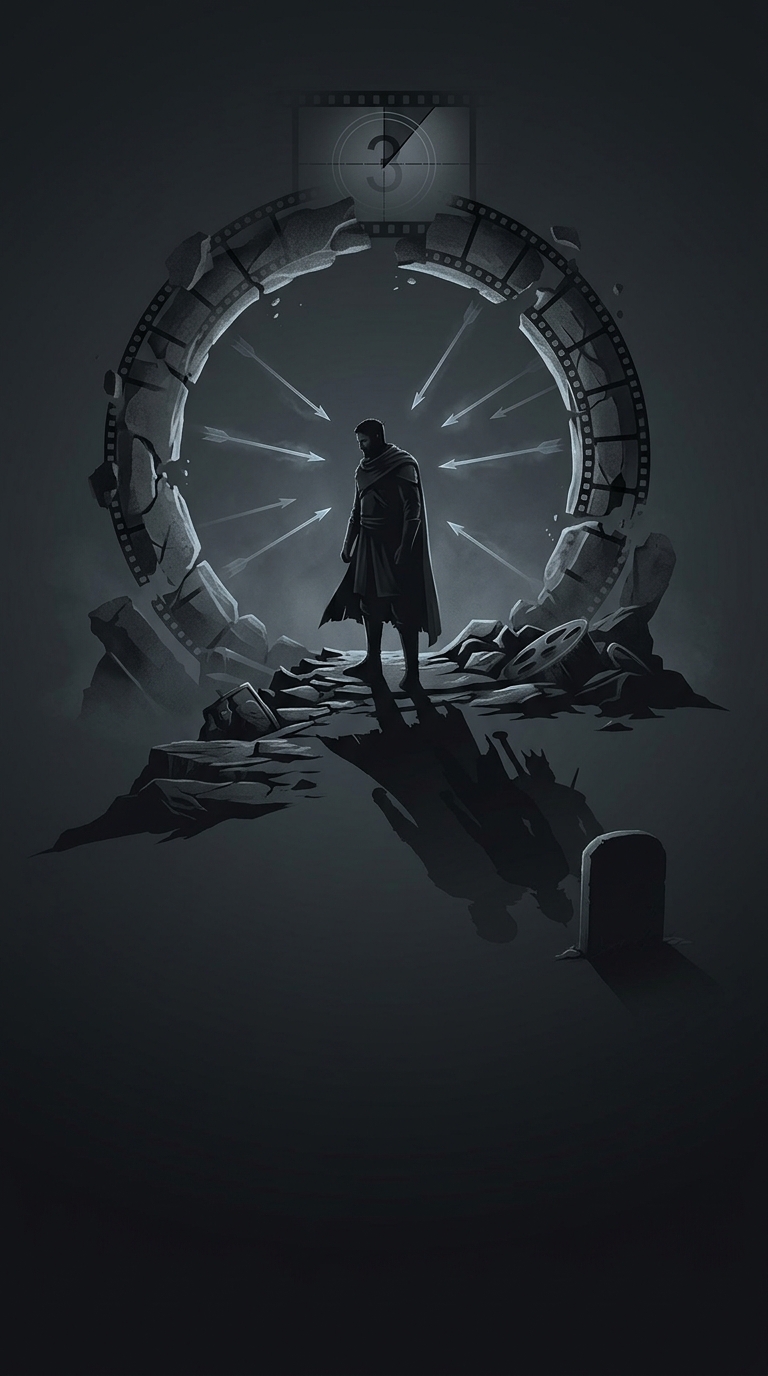
When an Actor’s Death Becomes a Plot Device
A screen death is usually meant to surprise or move the audience. With Sean Bean, audiences began to anticipate it. His characters’ memorable ends—in roles such as Boromir in The Lord of the Rings and Ned Stark in Game of Thrones—made the pattern easy to recognize, even though he has also played characters who survive. The contrast between a dramatic moment and its repetition across unrelated stories turned a career detail into a running joke.
The Joke Changes How Viewers Watch
Once people expect a character played by Bean to die, his presence can function like a warning sign. Viewers may start watching for the moment the story will fulfill the expectation, rather than wondering whether it will happen. That is part of the appeal of the 2014 Don’t Kill Sean Bean campaign: it turned a familiar audience prediction into a playful demand that one more story break the pattern.
The campaign was not a formal protest against filmmakers. It was fan participation built around a recognizable bit of screen history. Its premise also highlights a useful storytelling tradeoff: a familiar actor’s death can quickly make danger feel real, but a repeated pattern risks making the outcome feel predictable.
A Running Gag With a Long Afterlife
The joke survives because each new role can be compared with the old ones. Even the manner of death becomes part of the tally, from arrows and decapitation to the unlikely satellite dish. The result is an unusual kind of audience shorthand: before a character’s fate is known, viewers may already be asking whether this is finally the story in which Bean makes it through.