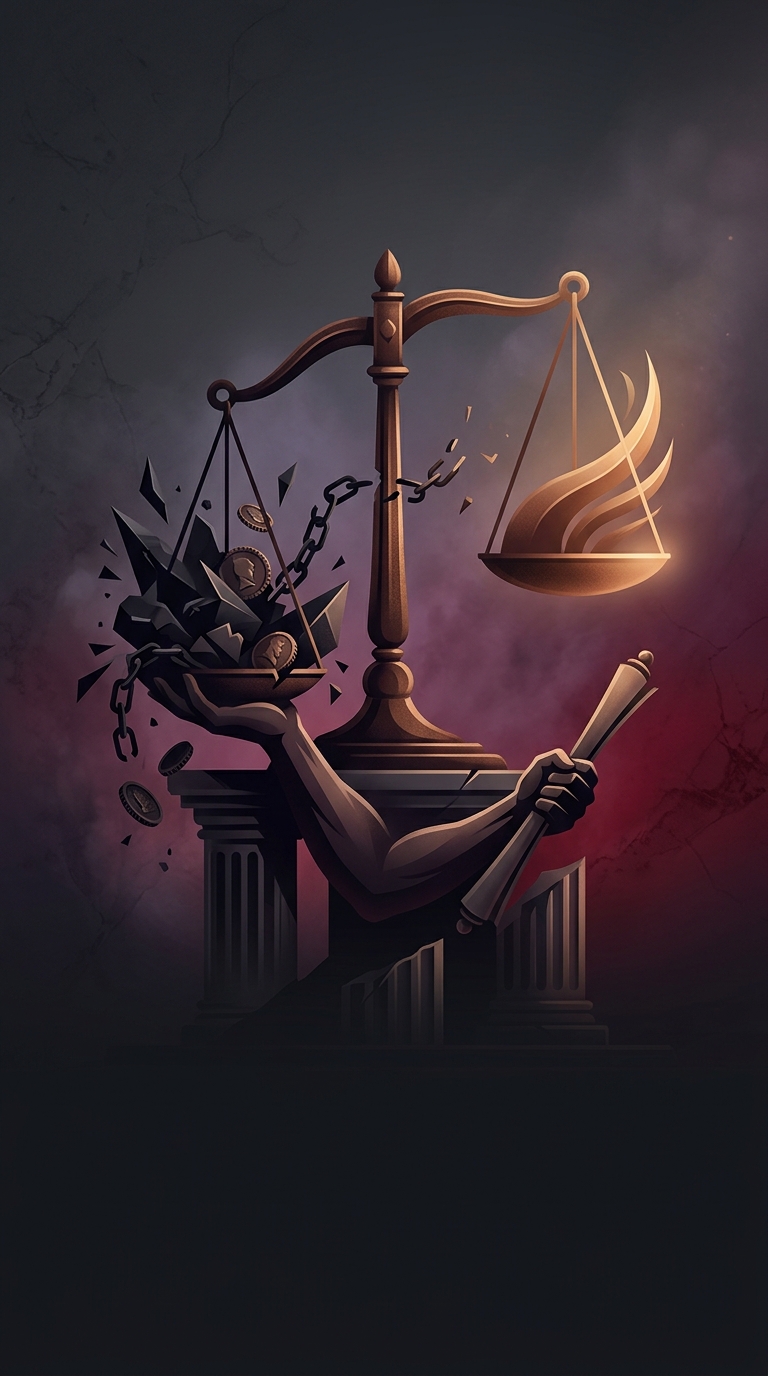
How a stock-market crash became a public bill
The South Sea bubble was not simply a company failing and handing Britain an ordinary loan to repay. At the center of the scheme was government debt: the South Sea Company took over some of the state’s obligations, while investors were encouraged to exchange government claims for company shares. The arrangement tied the company’s fortunes to the public finances—and helped inflate expectations about what its shares were worth.
When the share price collapsed in 1720, the government had to manage the wreckage. Some obligations were reorganized as interest-bearing claims on the state. That mattered because a government bond is not usually a bill with a near-term due date: it can promise interest year after year, leaving repayment of the principal for much later—or, in some arrangements, indefinitely.
Why the bill could outlive the bubble
Over the centuries, governments often refinance old debt rather than settle every original obligation in one payment. They may replace one security with another, while the underlying promise to pay interest continues. In this way, a crisis-era liability can survive long after the company, investors, and political drama that produced it have disappeared.
The 2015 endpoint was therefore less like discovering an unpaid invoice from 1720 than finally redeeming a long-lived government security whose roots reached back to the South Sea episode. The lasting cost was the state’s continuing promise to pay—not the survival of the original bubble itself.
That distinction is what makes the story striking: a speculative crash can leave behind financial obligations designed to endure, turning a brief market panic into a commitment carried across generations.