Why a Hand Crank Could Turn Against Its Driver
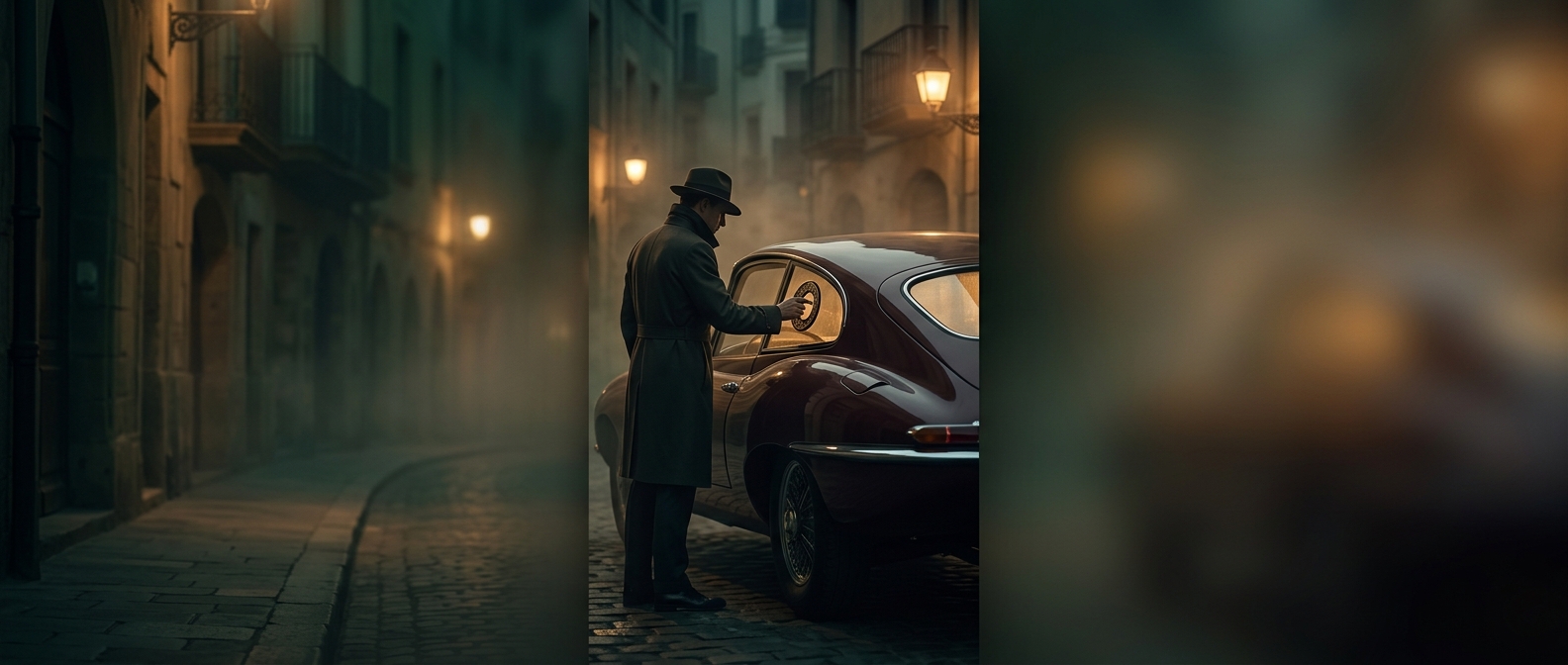
Before electric starters became common, a driver had to insert a removable crank into the front of the car and turn the engine by hand. The crank was connected to the engine’s crankshaft, which moved the pistons and began the cycle needed for the engine to run. Starting could take strength and careful timing, especially with a cold or reluctant engine.
The danger came when the engine fired at the wrong moment. If a cylinder ignited before the crankshaft was rotating in its normal direction, the engine could jerk backward. That sudden reversal sent force through the crank and into the person holding it. A thumb caught against the handle or a wrist unable to move with the jolt could be badly injured.
The Starter Changed Who Supplied the Force
An electric starter used a motor to turn the engine instead. When the driver activated it, the starter’s small gear engaged the engine’s flywheel—a heavy wheel that helps keep the engine turning smoothly. Once the engine caught and began running on its own, the starter gear disengaged.
That arrangement did more than replace muscle with electricity. It moved the driver away from the point where a backward kick could do harm, and it made starting less dependent on strength and technique. The new system added parts and relied on a battery, so it brought its own engineering demands; but for everyday drivers, the crucial change was that starting no longer meant putting a hand on a lever directly linked to the engine.
A Small Control, a Different Relationship With the Car
The electric starter helped make cars easier to use routinely, not just easier to start. A task that had required getting out, positioning the crank, and managing a potentially violent mechanism became an action performed from the driver’s seat. The button or switch was a modest change in the cabin, but it separated the person from the engine’s most forceful motion—and spared drivers the risk of holding on when the machine kicked back.