Why a One-Second Sample Can Carry a Big Price
A sample can be tiny in the finished track and still involve two separate copyrights. One belongs to the writers and publishers of the underlying composition; another may belong to whoever owns the original recording. Using the actual recorded drum hit can therefore require permission from both sides. Replaying the hit yourself may avoid using the original recording, but it does not necessarily avoid rights in the composition if the borrowed material is protected.
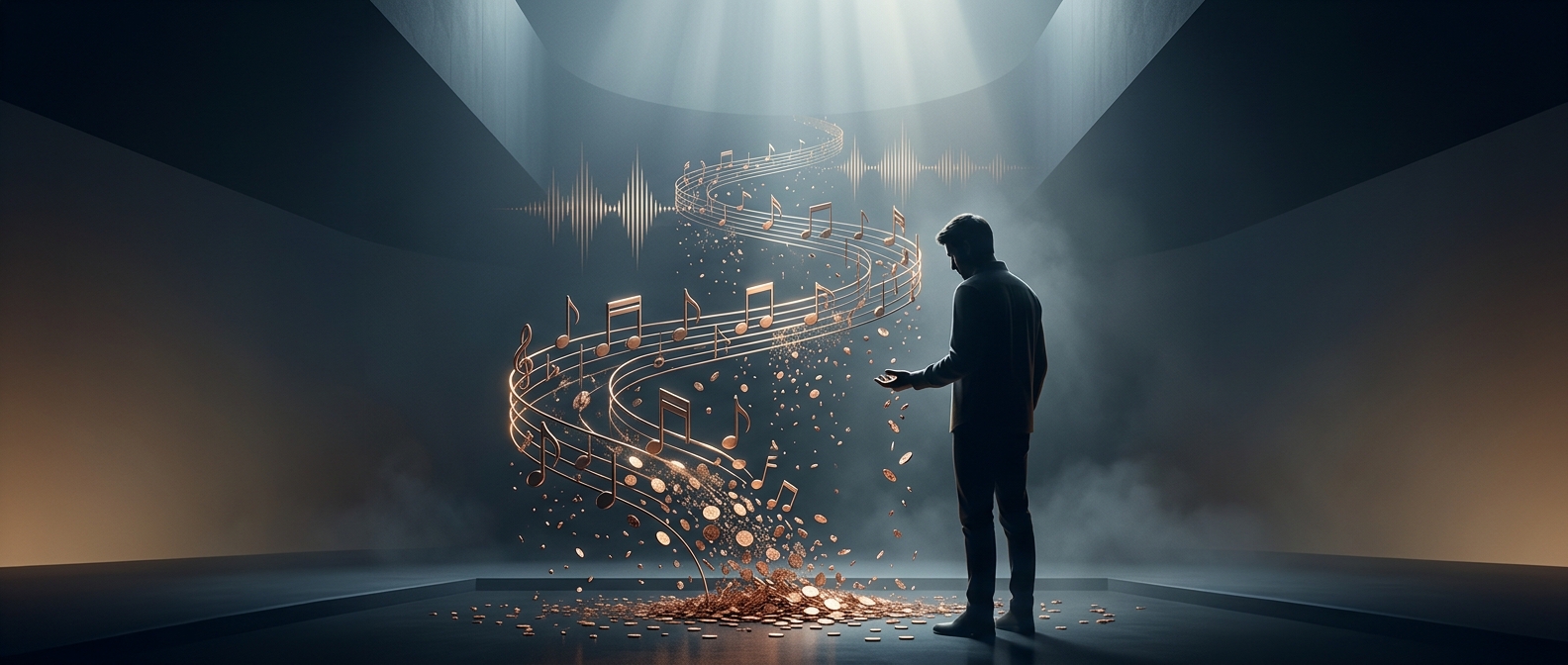
The duration alone does not set the price. A recognizable sound that anchors a beat may matter more to a new song than its brief appearance suggests. Rights holders can negotiate payment, credit, or a share of the new composition’s publishing royalties—the income credited to its songwriters and publishers. In some deals, that share can be substantial, potentially half or more; the terms depend on the particular sample and negotiation, not a standard rate.
The Bargain Is About Leverage as Well as Length
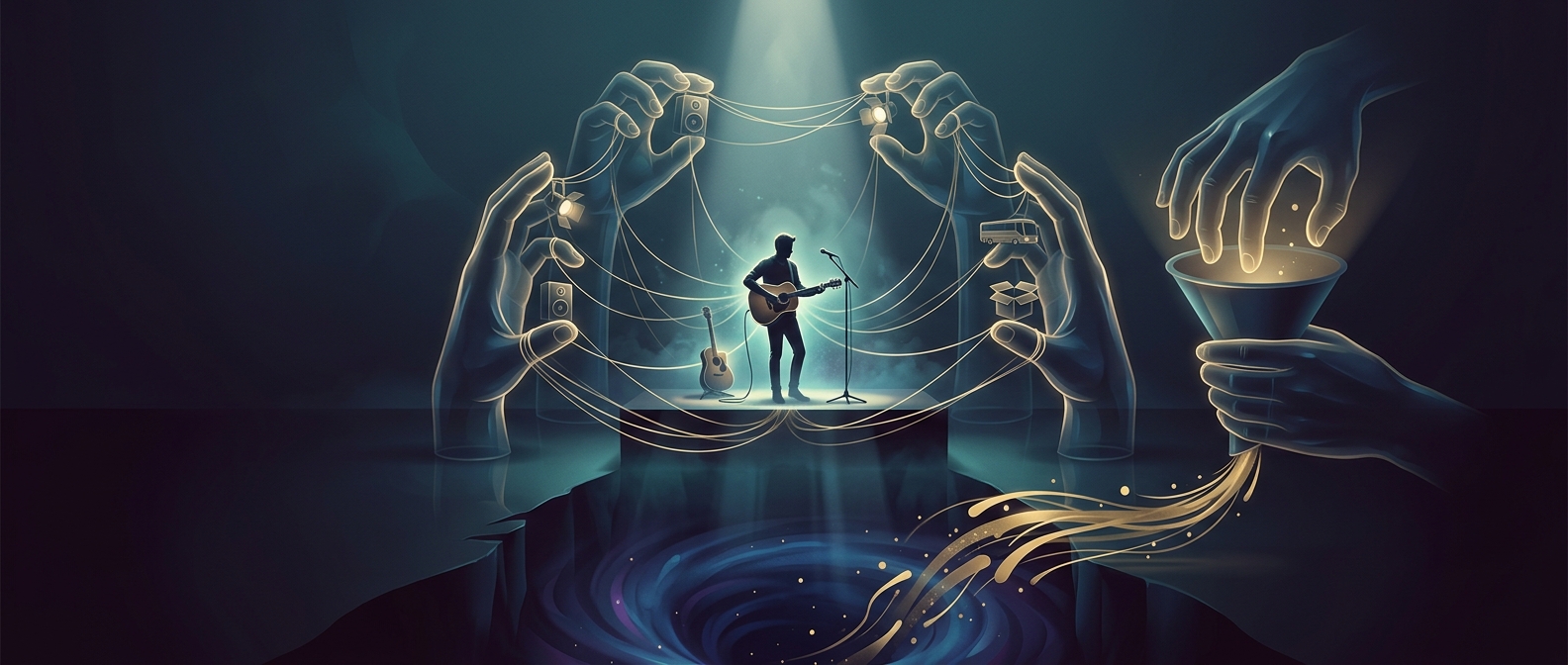
Before release, a producer or label may ask the rights holders to approve the use and agree on terms. The original owners have leverage because an uncleared sample can expose the new release to a dispute, costly changes, or demands to stop using it. A producer facing a tight deadline may have little room to replace a sound that defines the track.
That leverage does not mean every one-second sample costs half the publishing. Some uses are replaced, some are licensed on different terms, and some are not cleared at all. But a short sound can become a long-lived claim on songwriting income: if the deal assigns part of the publishing, that share can follow the song whenever it earns royalties, rather than being limited to the moment the sample was recorded.