Why a Company Might Own Its Suppliers
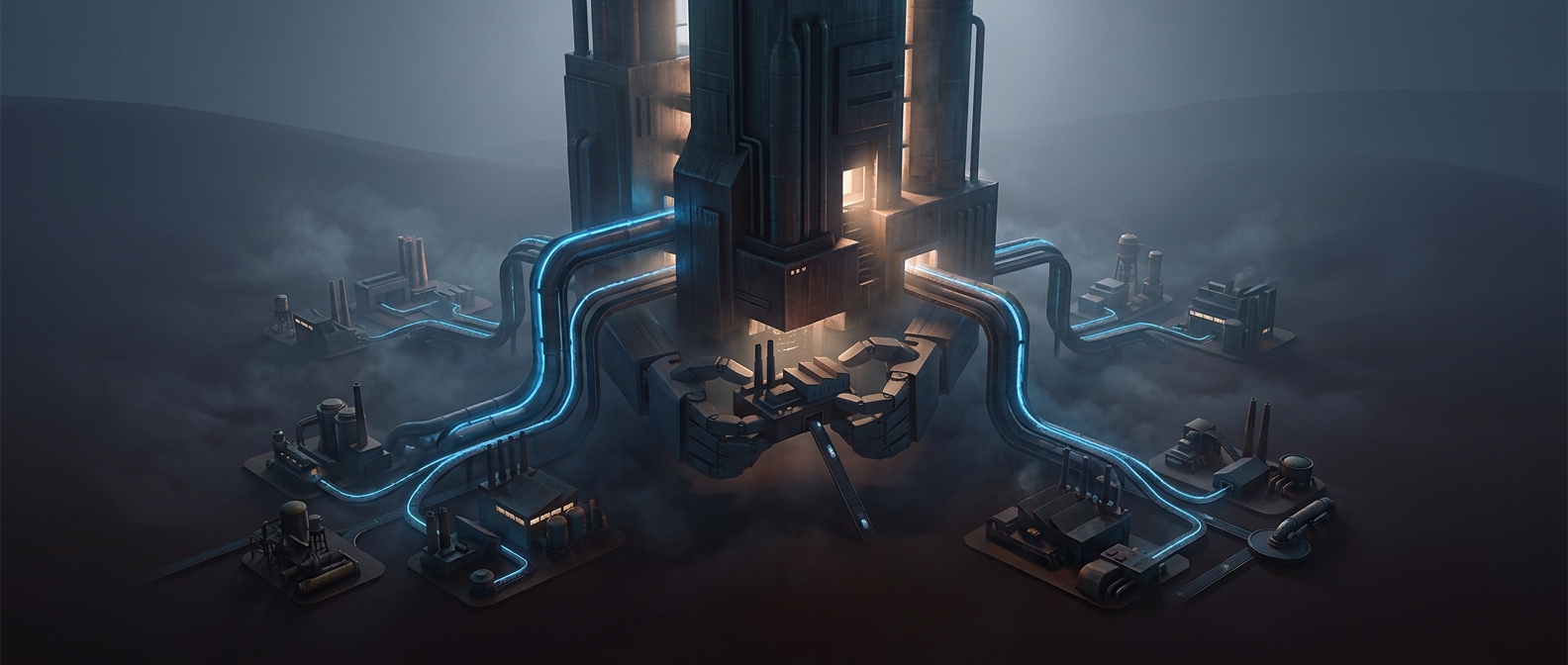
A manufacturer that depends on an outside supplier is exposed to decisions made elsewhere: a price increase, a production delay, or a shortage can disrupt its own work. Buying a supplier—called vertical integration—can bring some of those decisions inside the company. The buyer may gain more control over input costs, production schedules, quality, or access to scarce materials.
The same logic can extend beyond the factory. Owning storage or transportation businesses may give a company more say over when goods move and how they reach customers. Instead of coordinating every handoff through contracts, separate firms, and negotiations, one owner can coordinate more stages directly.
Control Comes With New Costs
Ownership does not make a supply chain effortless. The corporation must pay for the acquired business, keep it operating, and manage work that may require very different expertise. A supplier that once served many customers may now be focused on its parent company. And if the in-house operation becomes less efficient than an independent rival, the owner cannot simply switch suppliers without rebuilding that relationship.
The tradeoff is between relying on outside firms and taking on their work itself. A company may integrate when the security or coordination it gains seems worth the capital and management burden. It may keep other stages independent when specialist suppliers can do the job more effectively or cheaply.
Where the Power Shifts
When one owner controls several links in a chain, it can coordinate them as a single system—but it can also shape which suppliers, carriers, or customers get access to those links. That concentration can matter beyond the company’s own operations, especially if competitors depend on the same facilities or routes. The key consequence is not simply fewer handoffs: decisions once negotiated between separate businesses are now made inside one corporation.