Why nine can feel like an ending
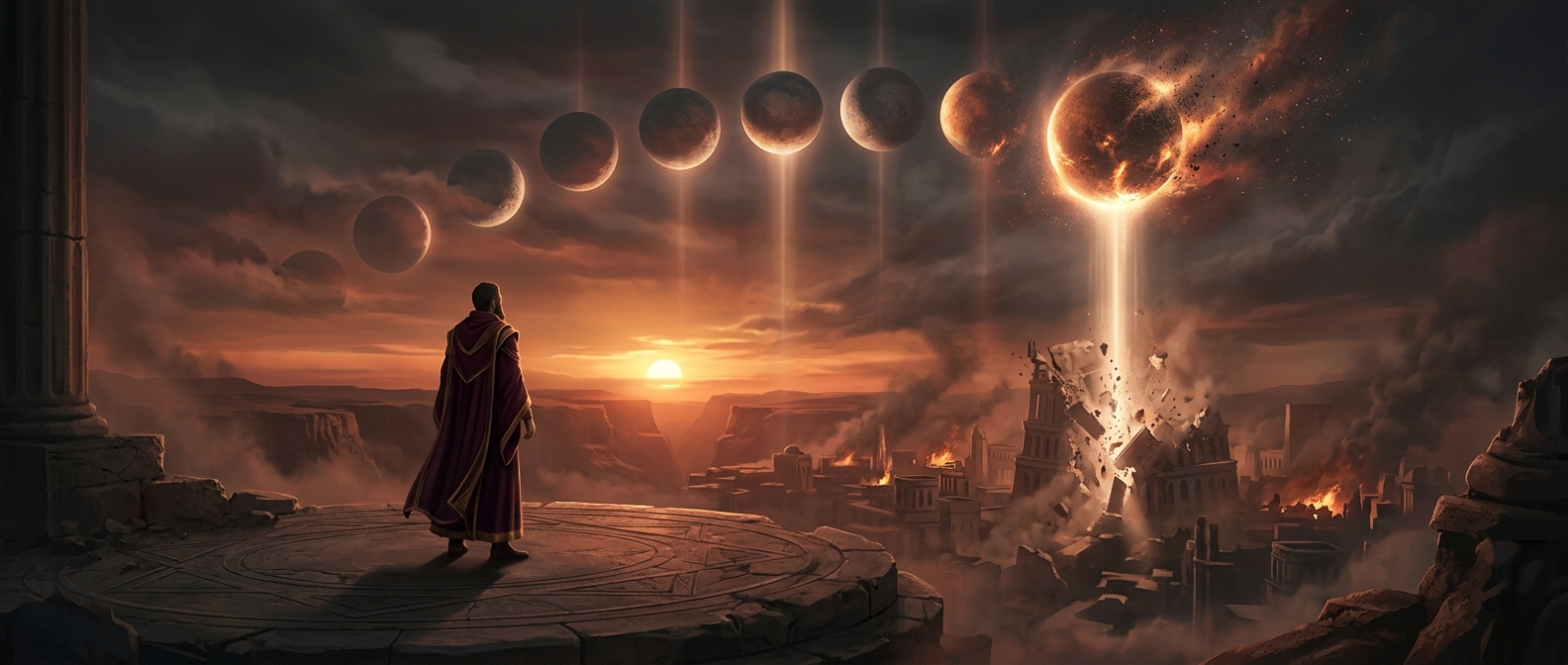
In the familiar base-ten number system, nine is the final single digit. The next count does not move to a new single digit; it rolls over to 10, adding a place-value column. That visible shift gives nine a natural symbolic role: it stands at the edge of completion, just before a new sequence begins.
Mystical and numerological traditions turn that feature of counting into an interpretation. Within such systems, numbers may be treated as carrying qualities or marking stages, so nine can represent culmination—the point at which a cycle has gathered its lessons. Wisdom follows from that image: an ending is imagined not as empty closure, but as experience accumulated before a restart.
A symbol shaped by the counting system
The meaning depends on the way people write and organize numbers. Nine is not the last number, and it does not end every possible numerical cycle; it is the last single digit in decimal notation. Its special position is therefore both practical and symbolic. The count itself supplies the image, while a tradition supplies the meaning.
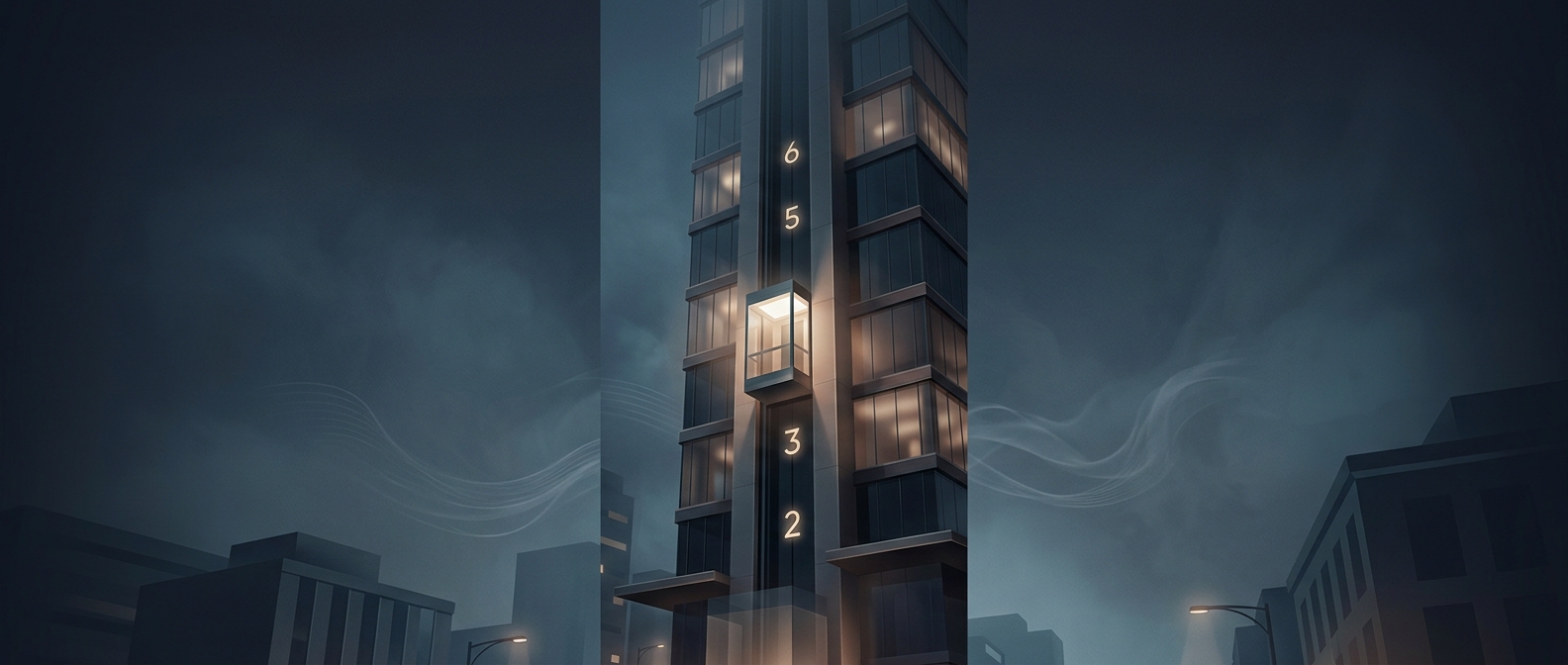
That is why nine can suggest two things at once: completion and the threshold beyond it. In the simplest visual form, the symbol’s story is the moment before 9 becomes 10—a pause at the end of one row of counting, with the next beginning already built into the notation.