The Super Nintendo CD Deal That Became PlayStation
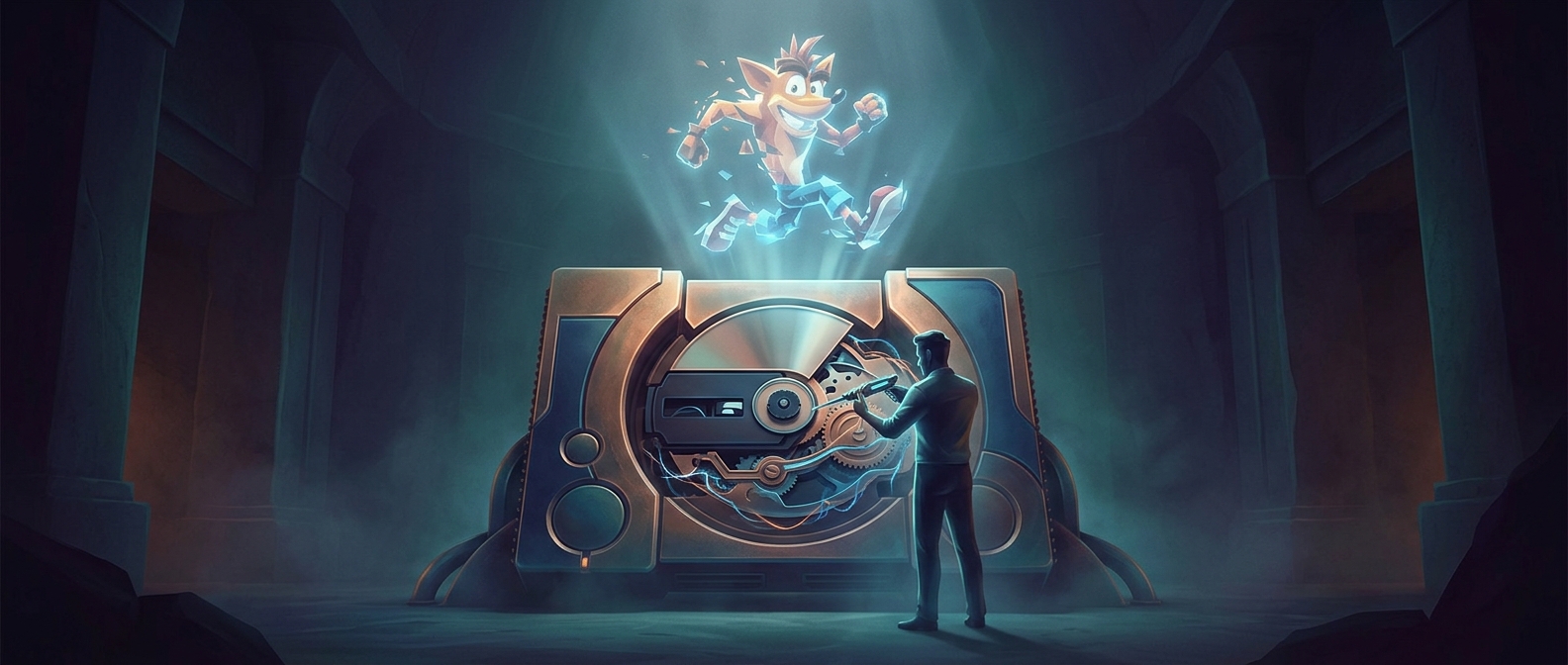
Sony’s first PlayStation was born from a failed partnership—but not from a single public snub alone. Sony and Nintendo had been working on a CD-ROM add-on for the Super Nintendo. A CD-ROM is a disc that stores far more data than a cartridge, giving game makers room for richer audio, video, and larger worlds.
At the 1991 Consumer Electronics Show, Sony publicly presented its planned system, called the Play Station. The next day, Nintendo announced a deal with Philips instead. The timing made the breakup look like a dramatic reversal, though the companies’ dispute also involved how they would divide control and revenue from the system’s software.
From Add-On to Standalone Console
The project had given Sony a foothold in game hardware and software, and the collapse left the company with technology and expertise it could still use. Instead of abandoning the effort, Sony developed a console of its own. The key change was that this would no longer be a disc accessory dependent on Nintendo’s Super Nintendo; it would be a standalone system under Sony’s control.
That shift also changed the business opportunity. With its own console, Sony could build relationships directly with game publishers and make the platform’s disc format central to its games. The original partnership had been intended to extend Nintendo’s machine. The new project could compete for players, developers, and control of the market itself.
A Rupture, Not the Whole Origin Story
The failed deal was a catalyst, not the only ingredient. Sony’s experience developing the add-on, combined with support inside the company for entering the games business, made it possible to turn a broken collaboration into a new product. The PlayStation that followed was therefore both a response to Nintendo’s decision and a project Sony had learned how to build through the partnership.
The striking consequence was that a plan to add discs to someone else’s console helped create a rival console maker: Sony kept the disc ambition, but changed who would own the platform.