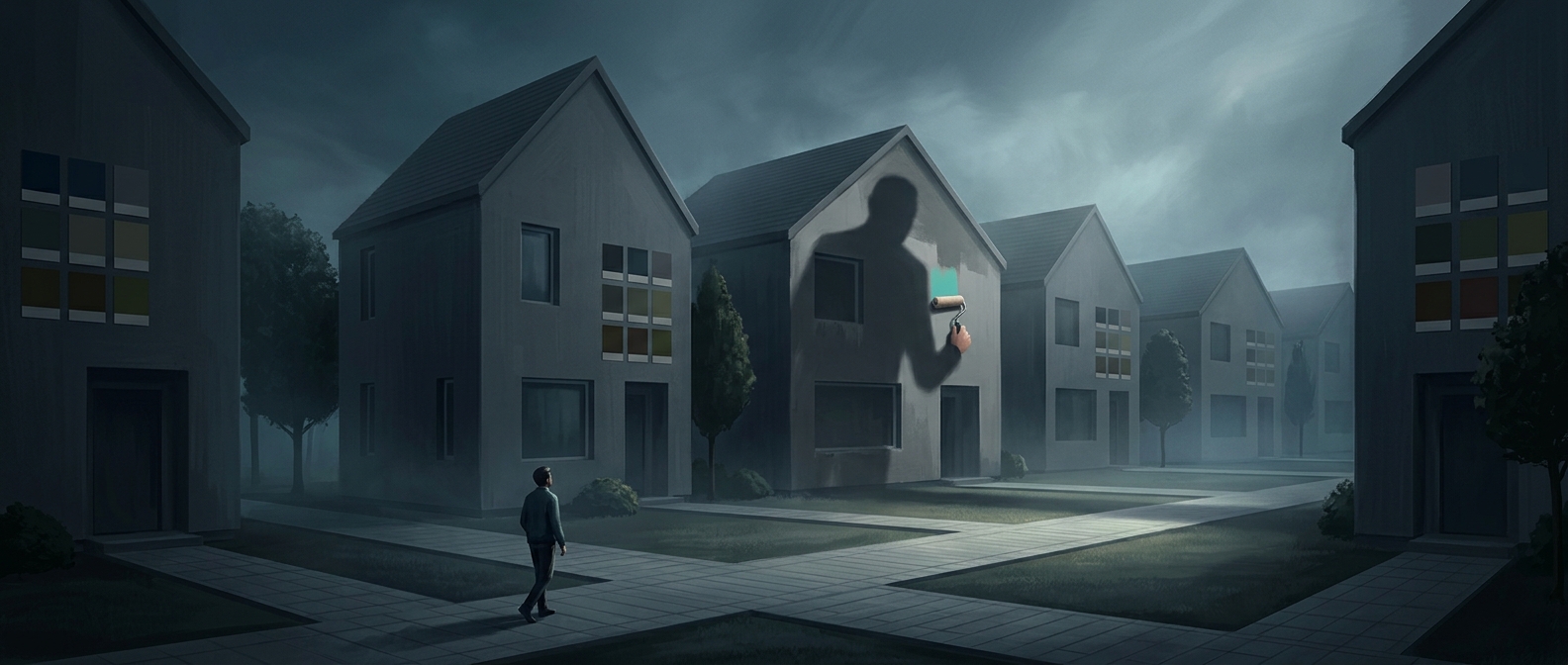
How upkeep shifts from city to homeowners
When a new subdivision is built, the developer may install sidewalks, parks, landscaping, or stormwater features but leave their ongoing care to a homeowners association (HOA). The HOA is a private organization whose members are the owners; it collects dues and arranges maintenance of shared property. In some developments, agreements with the city make that private upkeep part of the arrangement for approving or serving the project.
That can leave residents paying property taxes while also funding work they might expect a municipal department to handle. Property taxes usually support a broad pool of public services rather than paying for a specific sidewalk or park. The city can therefore receive tax revenue from homes without assuming the maintenance costs for every feature within the development.
The tradeoff is built into the neighborhood
For a growing city, this arrangement can make new construction easier to accommodate: the neighborhood gets its amenities, while the HOA—not the municipal budget—must keep designated areas in repair. But the cost does not disappear. It shifts to homeowners through dues, and residents may have less say over the upkeep than they would over a city-run public space.
The boundary matters. An HOA may be responsible for a park or sidewalk that looks public, while the city maintains nearby infrastructure. A walk through one neighborhood can therefore cross an invisible line between municipal services and upkeep funded directly by the people who live there.