The ashes that made Kratos look like a ghost
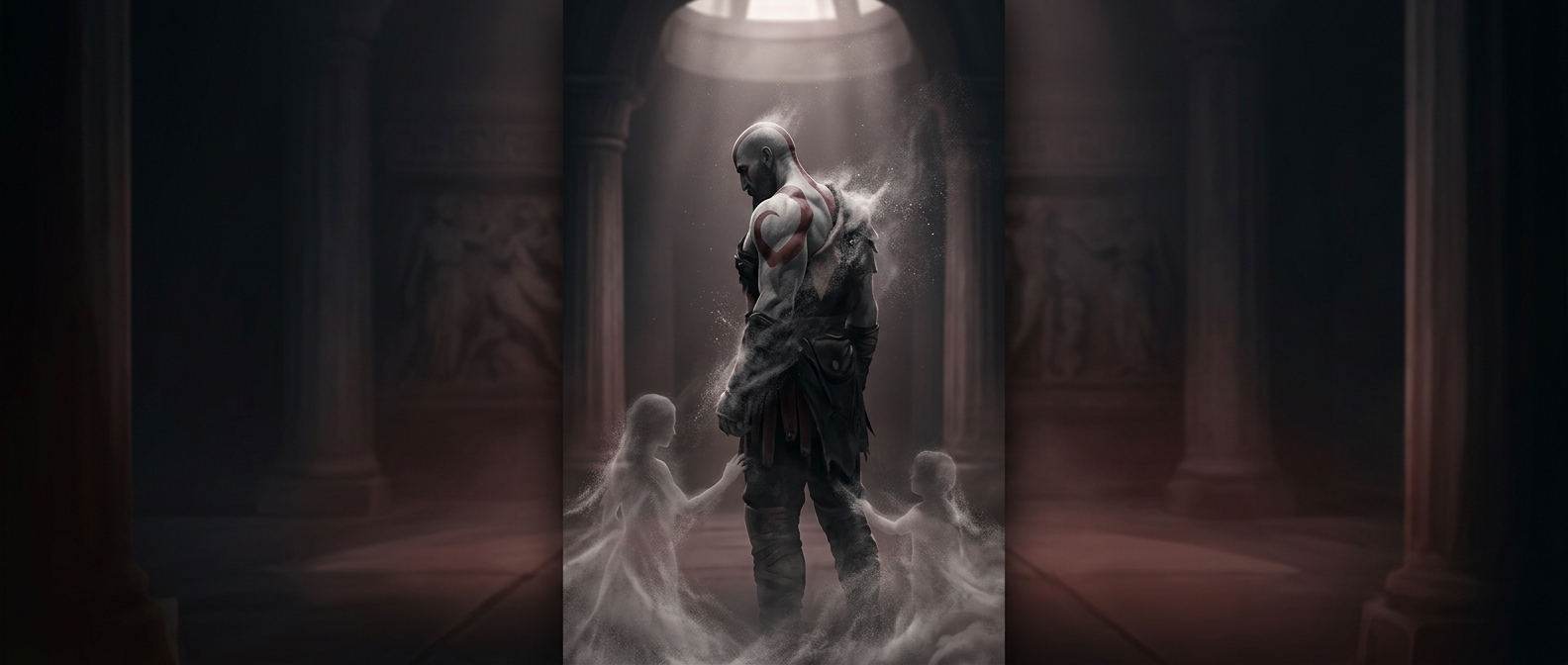
Kratos’s pale skin is not simply a natural feature or a visual effect of his later adventures. In the God of War story, an oracle binds the ashes of his wife and daughter to his body. The supernatural act leaves them covering his skin, creating the ashen appearance that becomes inseparable from the character.
A design rooted in consequence
That origin turns a striking character design into a permanent reminder of what Kratos has done and lost. He cannot take the ashes off or leave the past behind: the evidence is literally on his body. His ghostly look therefore carries story information at a glance, marking him as someone shaped by grief and rage rather than serving only as a way to make him stand out among mythic heroes.
The choice also gives his later violence a visible emotional context. Kratos’s anger is not an abstract trait; it is tied to a specific family tragedy that follows him wherever he goes. Even when the games move him into new conflicts and settings, the pale skin keeps that history present.