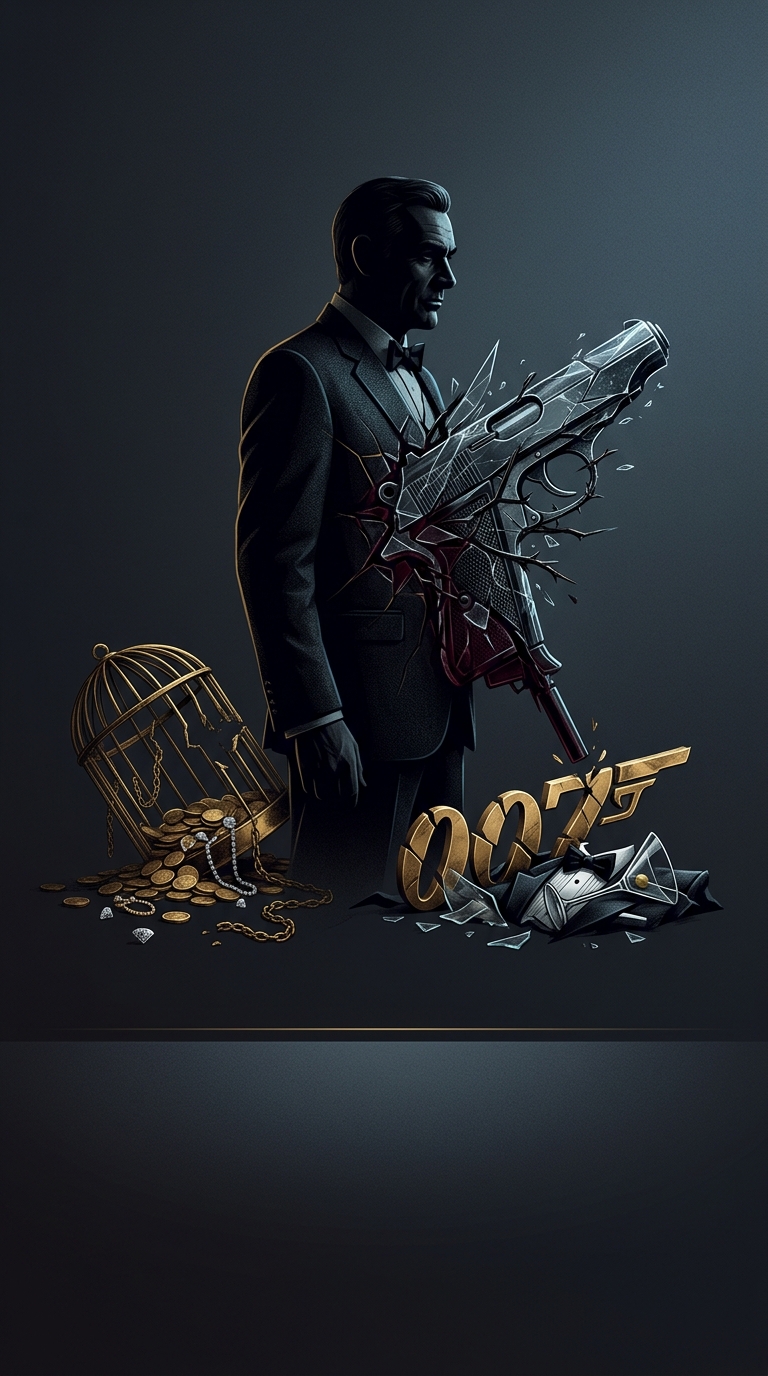
Bond made Connery famous—and hard to escape
Sean Connery’s frustration with James Bond was not simply dislike of the character. The role that made him an international star also threatened to define his career: audiences and filmmakers could keep seeing him as the suave spy rather than as an actor capable of very different parts. Connery described Bond as shallow and said he would like to kill him—a deliberately sharp way to express how confining the association felt.
Why he came back for one more film
Connery had left the official Bond series after Diamonds Are Forever in 1971. More than a decade later, he returned in Never Say Never Again (1983), a separate Bond production made outside the main Eon series. Its title nodded to his earlier declaration that he would never play Bond again. The return was a choice, not a reconciliation: he could take on the role on new terms while making clear that Bond did not define his ambitions as an actor.
A fee redirected toward education
Connery donated his salary from the film to the Scottish International Education Trust, a charity he had founded to support education. The gesture gave the lucrative return a purpose beyond his own career—and linked his Bond comeback to a cause he cared about. His relationship with the character remained a striking contradiction: the role he resented was valuable enough to return to, and its final payday helped fund opportunities for others.