A wound becomes a harvest
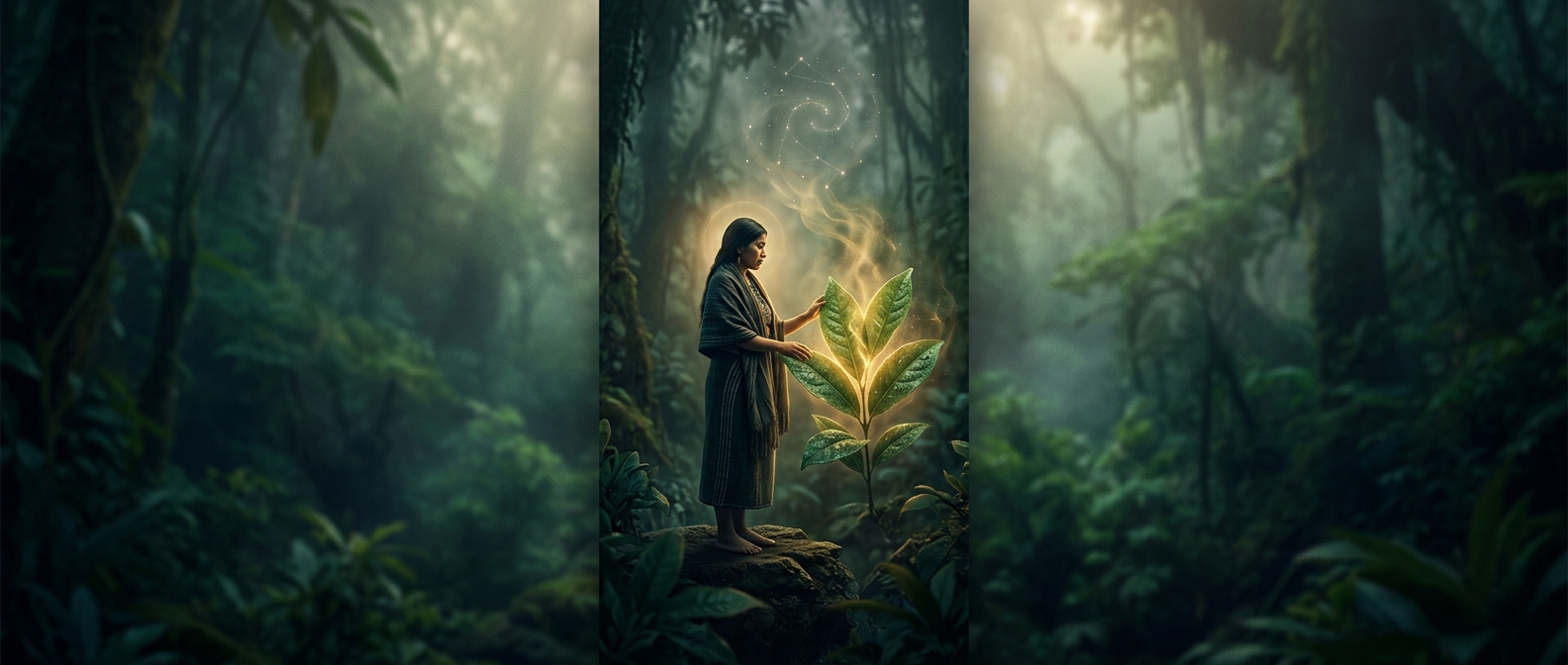
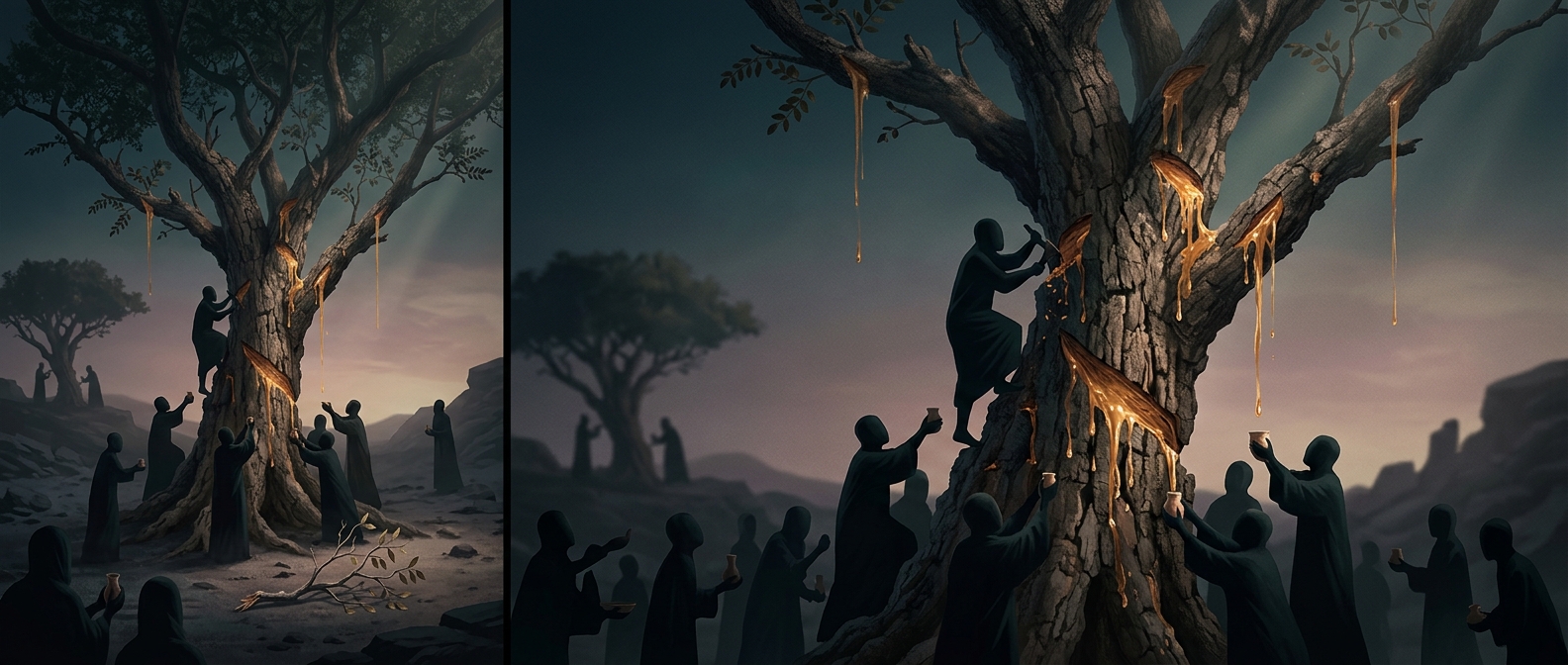
Frankincense begins as a tree’s response to injury. A collector slices the bark of a Boswellia tree, and resin seeps from the cut before hardening into the aromatic drops gathered for sale. The method turns a living tree into a source of income—but each cut is also damage the tree must survive.
A limited wound can heal. Repeated cuts, especially when they are heavy, leave less intact bark and force the tree to keep recovering while producing resin. Under that strain, a tree may weaken and eventually die. The harvest is therefore not simply a matter of collecting what a tree naturally sheds: its survival depends in part on how much injury people impose and how often they return.
The cost of taking too much
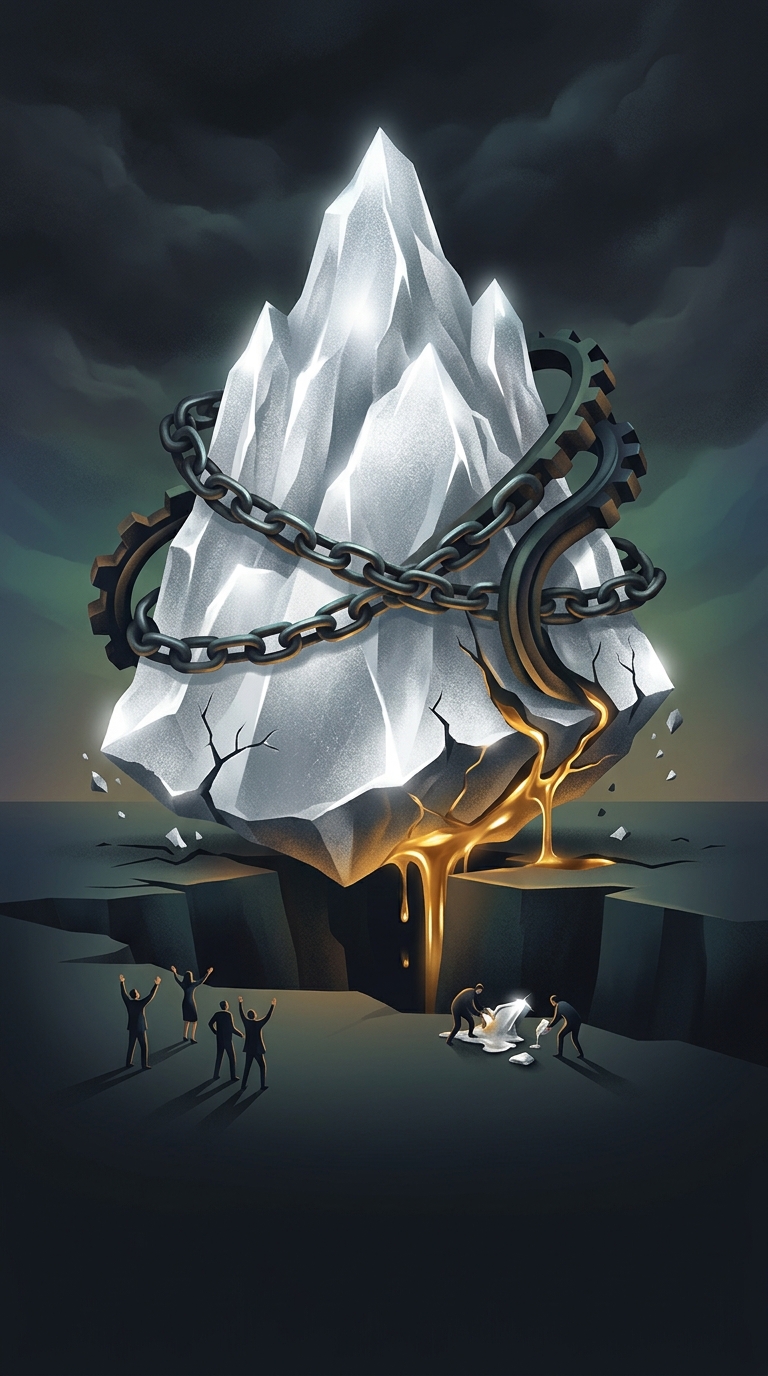
For harvesters, tapping offers a near-term return. But if collecting resin reduces the number of living trees, it also shrinks the resource that future harvests depend on. That creates a difficult tradeoff: taking more from each tree now can undermine the supply later.
The consequence reaches beyond the individual tree. Frankincense depends on Boswellia trees continuing to survive in the wild, so harvesting practices affect both the forest resource and the livelihoods tied to it. A resin-rich cut is not automatically a sustainable one; the tree must remain alive to produce again.