Why a Short Experience Can Command a Long Price
A ticket to a concert, festival, or game buys more than the minutes spent watching. It also buys a particular evening: the crowd’s energy, the chance to share the moment with friends, and a break from ordinary routines. Those parts are difficult to separate from the event or reproduce later, so a buyer may value the whole occasion more than its duration suggests.
The Economics of a Moment That Expires
Unlike a physical product, an event seat cannot be stored and sold after the performance. Once the date passes, an empty seat has no resale value. That makes the supply for a specific night fixed: organizers can add seats only within limits set by the venue, safety, and the show itself.
When many people want the same limited set of places, prices can rise—even if the event lasts only a few hours. Buyers are weighing the cost against a one-time opportunity, not calculating a price per minute. A premium seat may also offer a better view or make the occasion feel more special, adding value beyond simply getting inside.
Why the Memory Matters
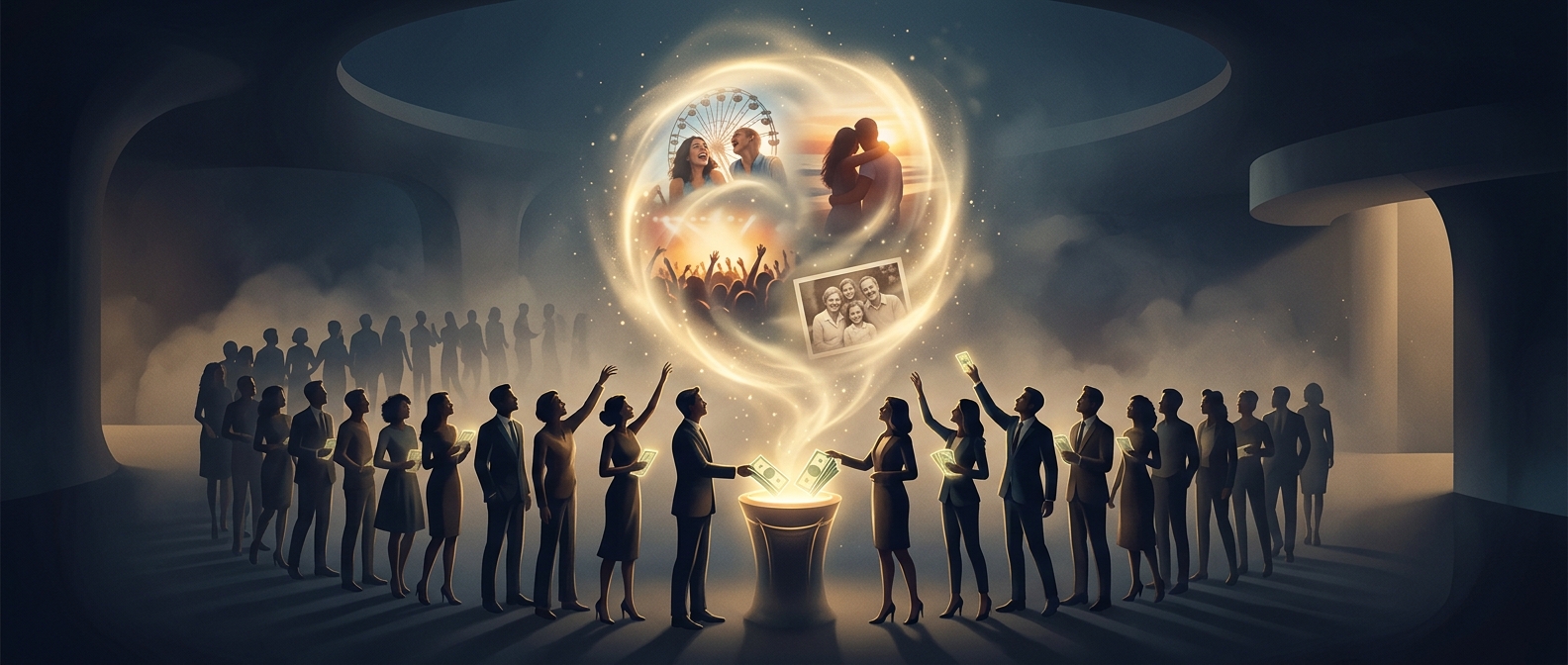
The purchase can keep paying off after the event ends. People may revisit it in conversation, photos, or personal memories, and those anticipated aftereffects can influence what they are willing to spend beforehand. That does not mean every premium price is a good deal: buyers differ in how much they value the experience, and a high price can reflect scarcity as well as the event’s appeal.
The tradeoff is tangible: the money is gone after the night, but the moment cannot be bought again once it has passed.