What a smart contract actually does
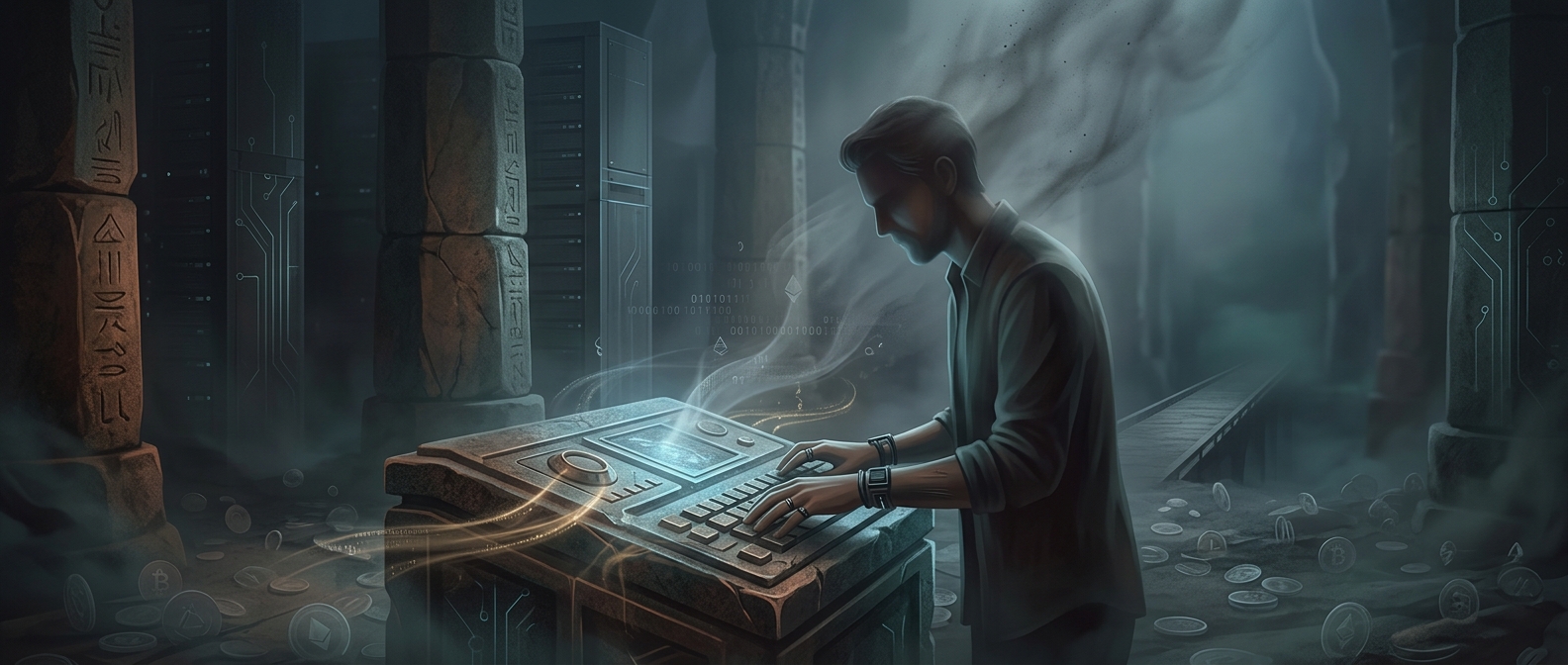
A smart contract is a program stored on a blockchain that carries out specified actions when stated conditions are met. For example, it might release a digital payment once a transaction is recorded. The blockchain lets participants check the program and its activity, while its shared record makes quietly changing past entries difficult.
The vending-machine comparison captures the automatic exchange, but leaves out a crucial detail: a vending machine’s designer chooses what it accepts and dispenses. A smart contract’s author likewise decides the rules in code. The program does not understand a deal’s intent; it follows its instructions, including mistakes.
Automation shifts the costs and risks
By executing a transaction directly, a contract can reduce the need for an intermediary to hold funds, confirm steps, or process a routine exchange. That may make some arrangements faster and easier to audit. But “no middleman” does not mean “no one is responsible”: people still write the software, choose when to use it, and may need other systems to supply information the contract cannot observe on its own.
A bug can make the code behave in an unintended way—for instance, allowing funds to be withdrawn more than once or preventing their release. Because blockchain transactions can be difficult or impossible to reverse, correcting the program may not restore assets already moved. Finding a flaw in visible code can also be hard; transparency allows scrutiny, but does not guarantee that anyone spots a problem before it is exploited.
The code becomes part of the bargain
Traditional agreements can leave room for interpretation, negotiation, or legal remedies when something goes wrong. A smart contract instead turns at least part of an agreement into exact, executable rules. That tradeoff is most useful when the conditions are clear and the code has been carefully checked—and most consequential when a small programming error controls a large pool of value. The machine follows the rule it was given, not the deal its users thought they had made.