A fantasy number became a cast keepsake
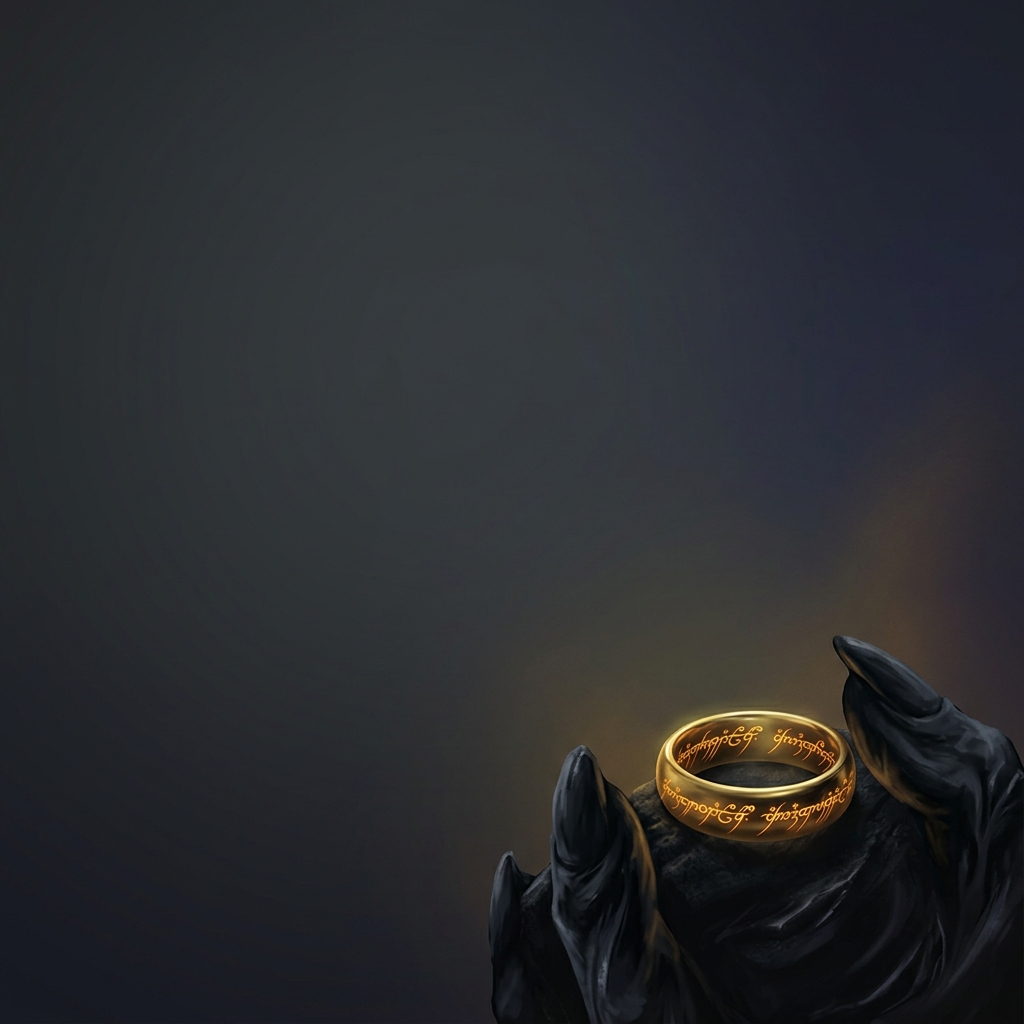
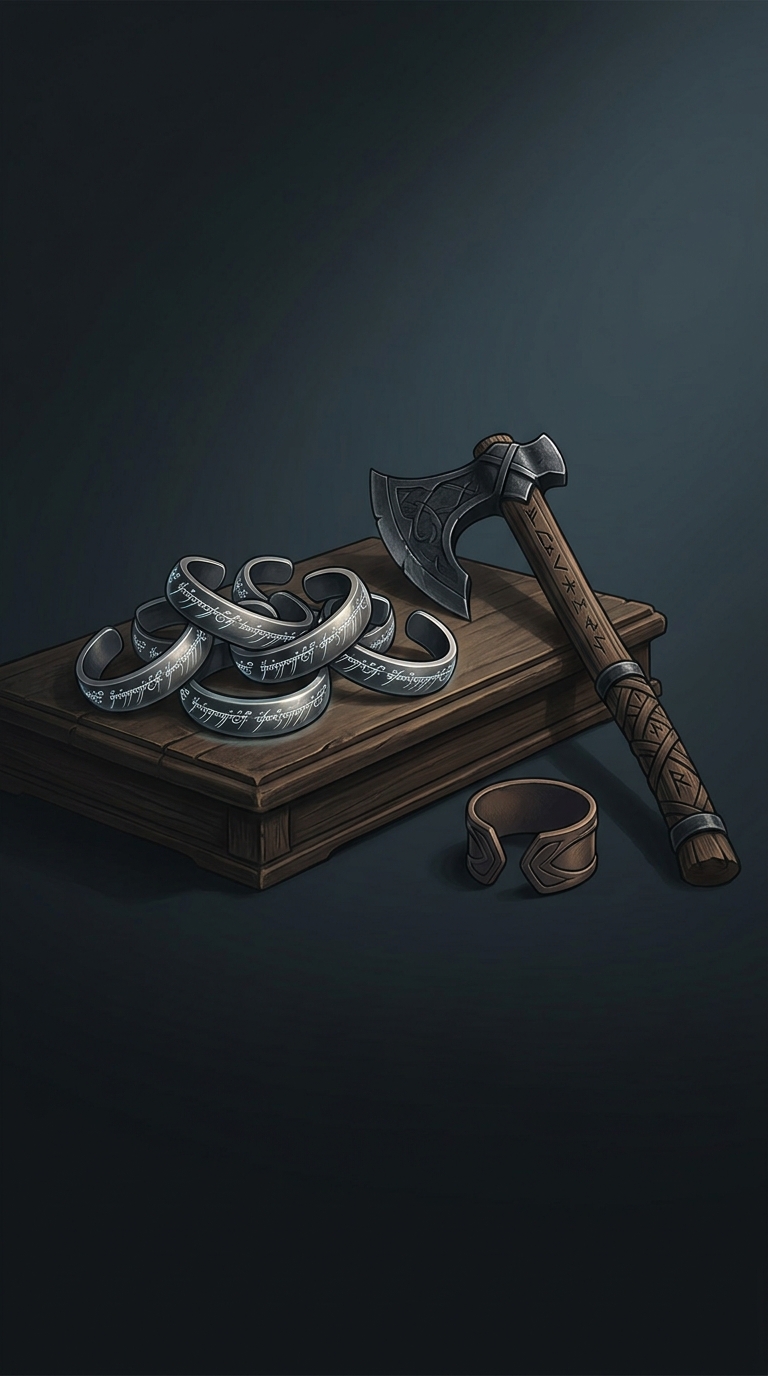
The tattoo’s design tied the actors’ real-world bond to the story they had spent years bringing to the screen. In The Lord of the Rings, nine companions set out together as the Fellowship; the matching mark rendered that number in an Elvish script associated with Tolkien’s invented languages. It was a compact souvenir of a huge shared undertaking: a sign the actors could carry away after filming ended.
The choice mattered because the trilogy’s production was not a single brief shoot. The cast worked through an extended stretch of filming, and the films’ demanding physical scenes required performers to move, fight, and travel as a convincing group. A small, identical tattoo offered a lasting counterpoint to all that elaborate costume and spectacle: a private emblem of the people who had made the journey together.
The exception points to the work behind the stars
John Rhys-Davies, who played Gimli, did not get the tattoo himself. His stunt double went in his place—a comic solution that also hints at how filmmaking divides labor. Actors create a character’s performance, while stunt performers take on dangerous or physically punishing action when a scene calls for it. The double’s contribution was substantial enough to be part of the story’s production history, even if audiences may never see his face in the finished film.
That substitution turns the keepsake into more than a cast in-joke. It recognizes that the Fellowship on screen depended on people beyond the named actors, including performers who helped make its physical adventures look real. The mark commemorated the group, but the exception made room for the person who had shared some of the hardest work.