Why a Shared Memory Can Feel Like Evidence
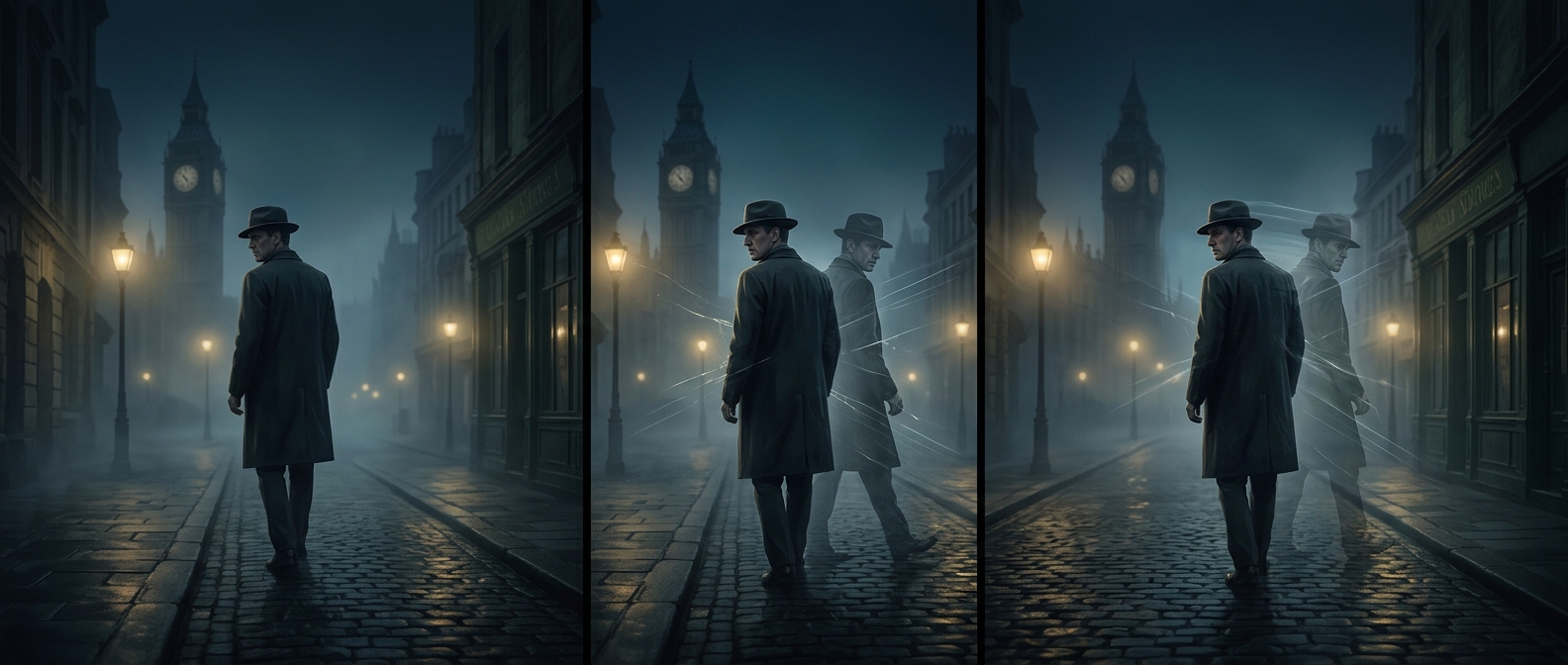
When many people remember the same detail incorrectly, the agreement can seem harder to explain than an ordinary mistake. An alternate-timeline story offers a vivid answer: perhaps the remembered version was real somewhere else. That idea gives a puzzling mismatch a coherent shape, especially when the detail feels familiar and the actual version seems oddly wrong.
How Memories Converge
Human memory is not a recording. When recalling a word, image, or story, the brain rebuilds it from fragments and expectations. Familiar patterns can fill in gaps: a spelling may be remembered in the form that looks more natural, or a story detail may shift toward what seems most plausible. People exposed to the same cultural material can make similar guesses for similar reasons.
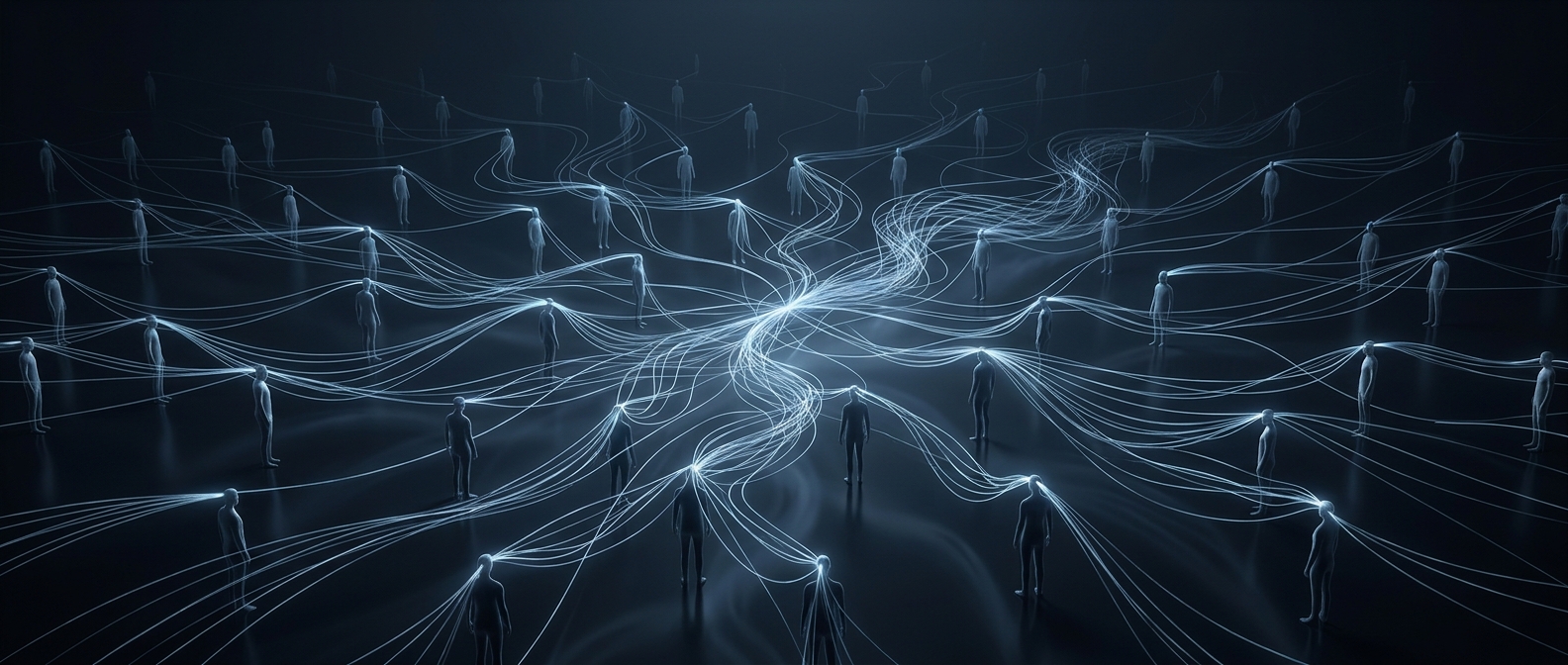
Conversation can strengthen the match. Once someone proposes a version, others may recognize it as familiar, repeat it, and become less certain about whether they remember it independently or learned it afterward. This is a source-monitoring error: difficulty distinguishing where a memory came from. The result can be a genuinely shared impression without requiring a shared alternate history.
The parallel-universe explanation remains a way some people interpret the experience, not something the memory itself demonstrates. The striking part is that agreement can arise from common expectations and later reinforcement—so a memory may feel like a record of the past even when it is partly a reconstruction.