Why a people scanner can serve a veterinary clinic
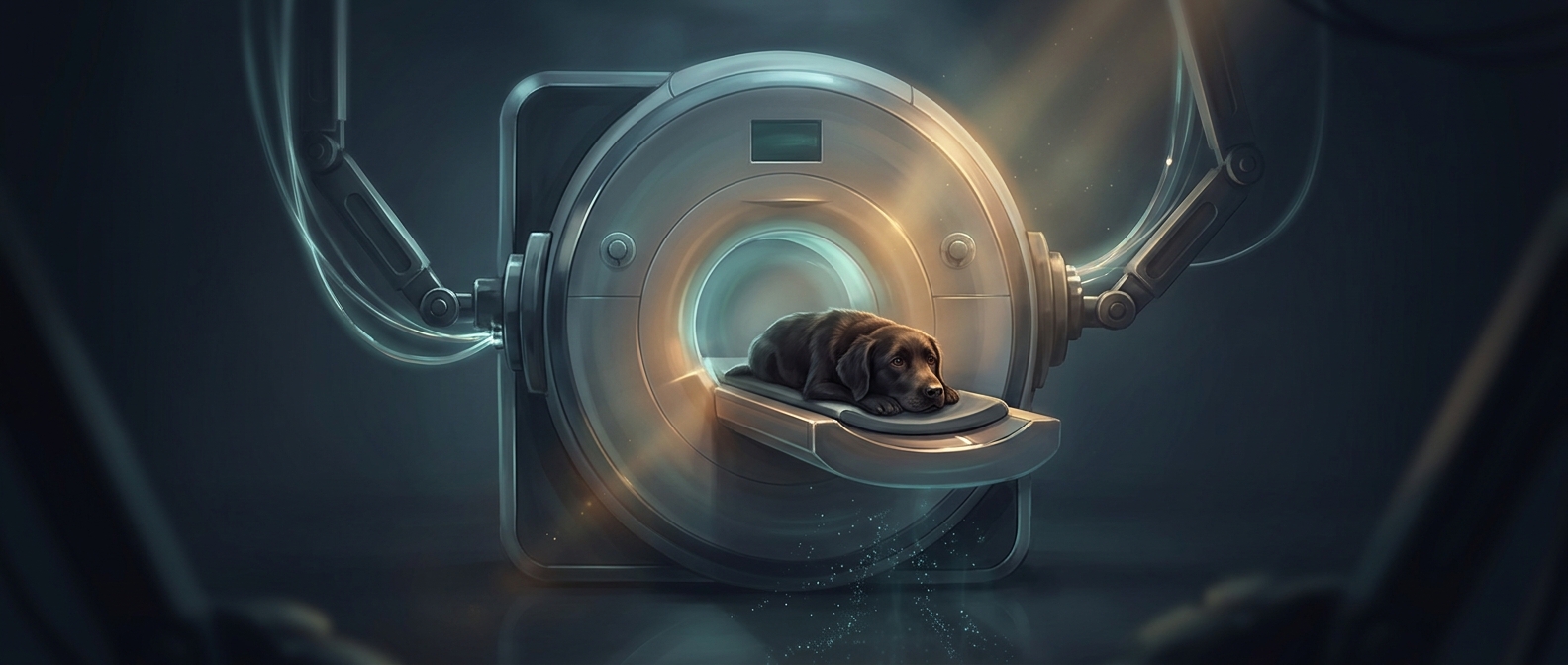
An MRI does not recognize whether it is imaging a person or a dog. Its powerful magnet and radio waves produce signals from the body, and a computer turns those signals into pictures. What changes is how the patient is positioned and which settings and receiver coils—the parts that pick up the returning signals—are used to capture the area of interest.
That makes an older hospital scanner potentially useful in veterinary medicine, provided it can be maintained and fitted with equipment and software suited to the clinic’s needs. A used system can spare a clinic the expense of purchasing a new machine, while keeping advanced imaging available for animals whose conditions cannot be assessed well with simpler tests.
The savings come with practical limits
A scanner is only one part of the expense. It needs a suitable room, ongoing servicing, trained staff, and protocols for animal patients. Dogs must stay still for the images to be clear; veterinary teams may use anesthesia and carefully monitor the animal during the scan. The patient’s shape and the body part being examined also affect positioning and image quality.
So reusing hospital equipment is not simply a matter of wheeling an old machine into a clinic. The system has to remain reliable, and the clinic has to make it work safely for veterinary care. When that balance is possible, a machine that once helped doctors examine human brains can become part of a very different diagnostic journey.