Why a Mirror Could Seem to Hold Part of You
For centuries, a mirror was more than a household object: it offered an unusually lifelike image of a person without being a painting or a twin. In traditions that treated a reflection as closely bound to the person reflected, damaging the image could feel like an injury to the person’s vitality—the force or vigor thought to sustain life.
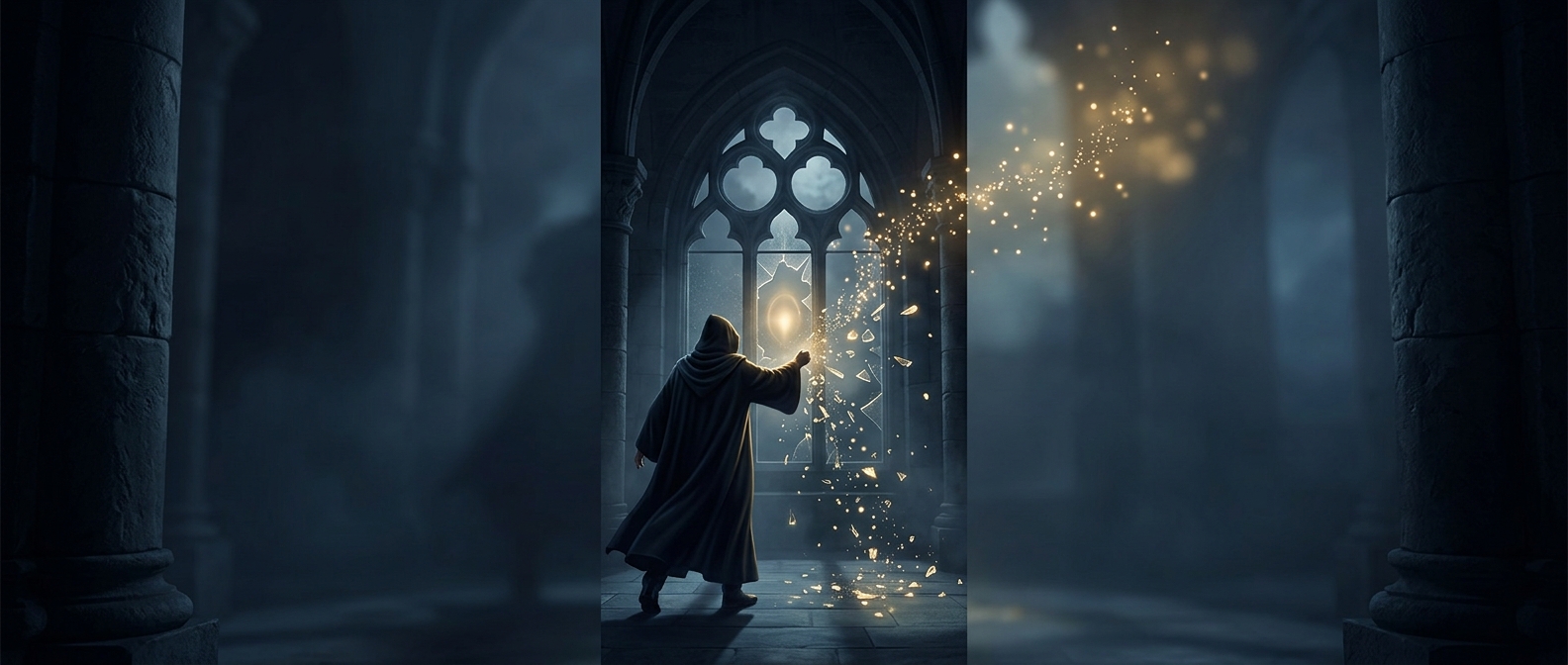
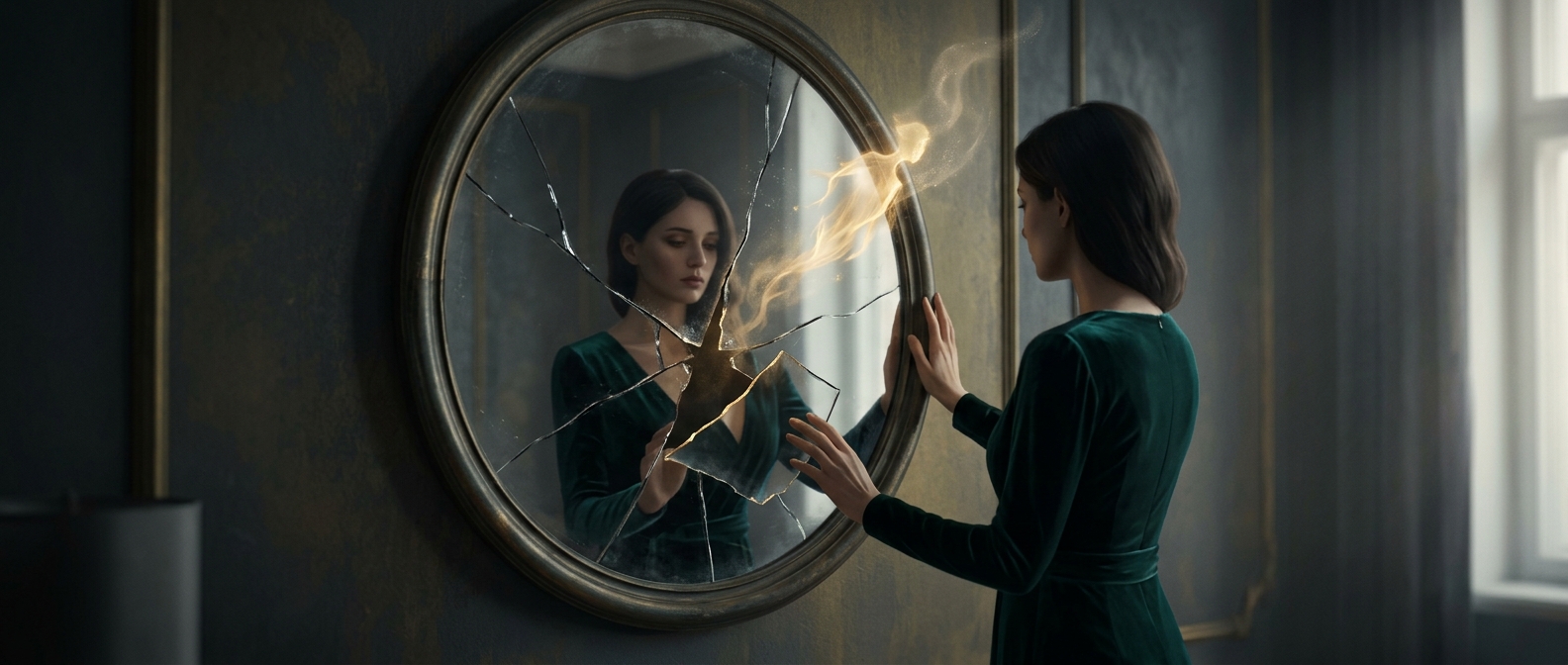
That belief gave an ordinary accident a personal meaning. A broken mirror did not merely mean replacing glass; it could be understood as a break in the visible counterpart of the self.
Why Seven Years?
The seven-year period made the supposed harm temporary rather than permanent. Some explanations connect it with older ideas that the body renews itself over a cycle of years, so the damage to one’s vitality would last until that cycle was complete. The precise origin of the number is uncertain, but the duration helped turn a frightening mishap into a familiar, bounded misfortune.
The superstition also gave people a way to make sense of bad luck after a break. If trouble followed, it could seem like confirmation; if life went on normally, the waiting period still left room for the curse to feel unresolved.
A Reflection, Not Just Glass
The belief belongs to a wider pattern in which an image is treated as connected to the person it represents. A mirror’s uncanny accuracy made that connection easy to imagine: it returned a moving likeness, yet offered no physical person behind the surface. In this superstition, breaking the mirror mattered because the reflection was thought to carry something of the person—not because the glass itself had special power.