Shared Brain Design, Not a Shared Memory Bank
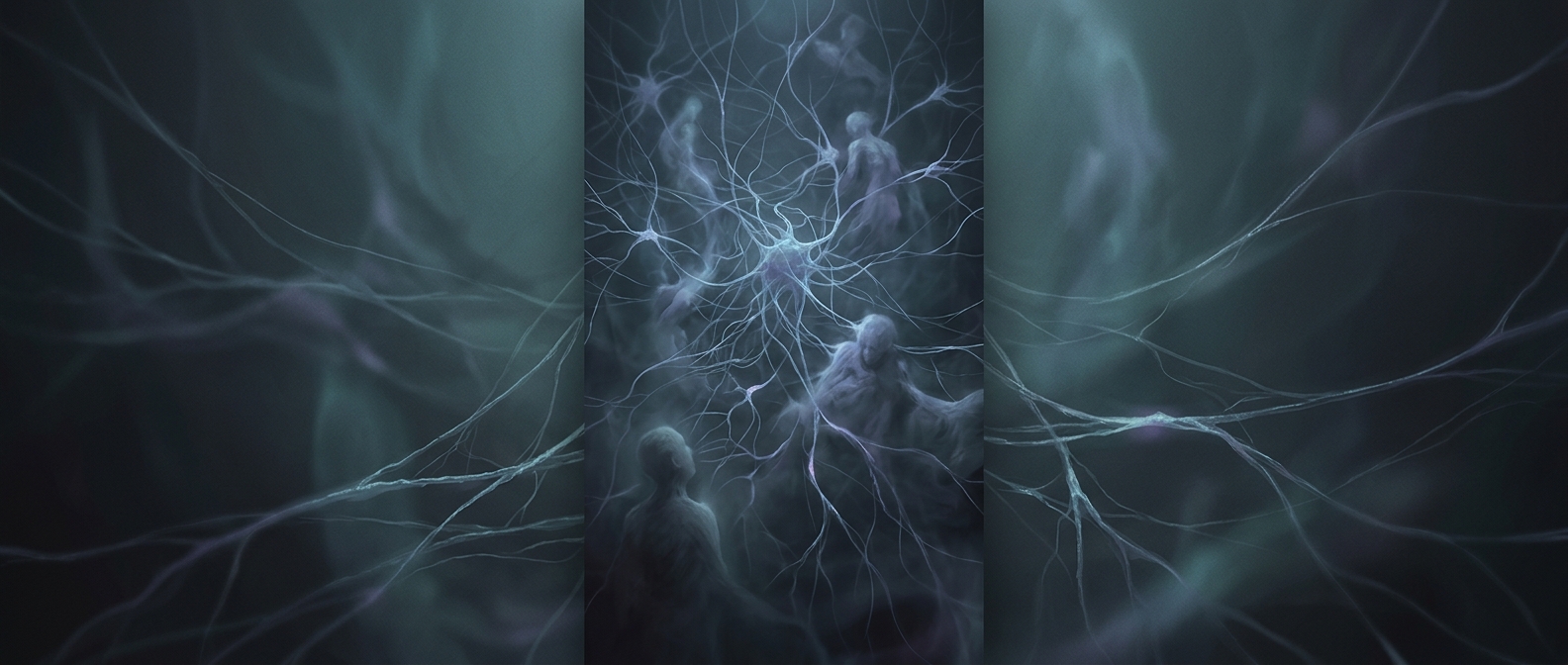
The idea of a collective unconscious is often associated with psychologist Carl Jung, who proposed that people inherit basic patterns of thought and imagery. A naturalistic analogy is that human minds share some of the same built-in equipment: brains shaped by similar bodies, environments, and evolutionary pressures may respond to certain situations in comparable ways.
That does not mean people inherit the same personal memories or communicate through a literal mental network. It means that common reactions can arise from common starting points.
Why Darkness Can Feel Unsettling—and Fire Compelling
In darkness, vision gives us less information about what is nearby. A cautious response to uncertainty could help an animal avoid danger, so humans may be predisposed to heightened alertness when they cannot see clearly. The feeling can then be strengthened or softened by experience and culture; darkness does not frighten everyone in the same way.
Fire offers a different mix of signals. It provides light and warmth, making it useful and inviting, while its heat and spread can also cause harm. Attention to fire’s glow—and caution around its danger—can therefore make sense as responses grounded in shared human needs, rather than as evidence of a universal inherited memory.
The analogy helps explain why some images and reactions recur across people and cultures: similar minds can develop similar responses without sharing a single hidden store of experience.